Malasana (Prep I)
Not rated yet
Achilles Tendinitis
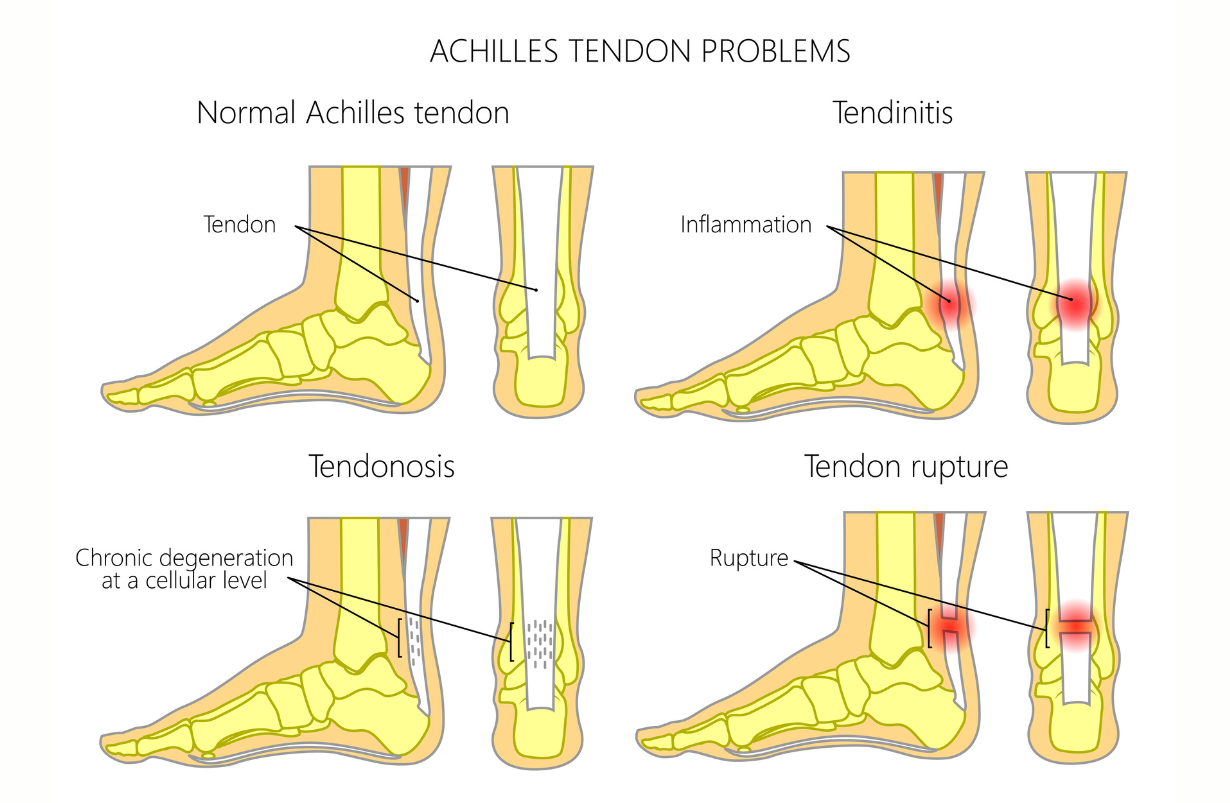
Inflammation and/or painful strain or tearing of the Achilles tendon at the back of the heel. This is the tendon that enables you to walk, climb stairs, stand on your toes: to plantar flex your ankle.
Adhesive Capsulitis
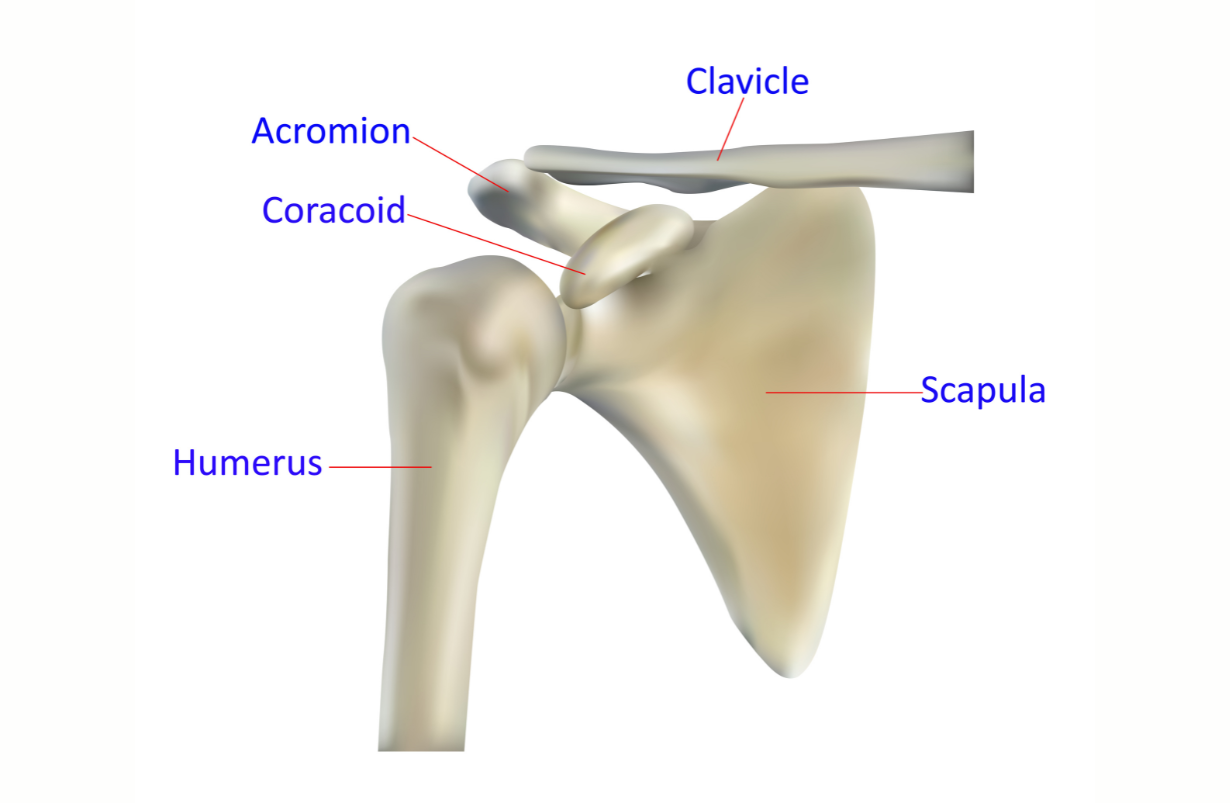
When the fibres of the shoulder's joint capsule are bound down together, abduction and flexion of the shoulder is painfully limited. This may occur after any prolonged period of disuse in which the shoulder is not abducted or flexed for weeks at a time, for example after surgery or an accident. It may occasionally occur just overnight, as in diabetes mellitis. Deeper analysis reveals that the shoulder capsule must be large enough to cover the whole joint when the arm is fully abducted or flexed, yet has to fold together when the arm is by ones side. These folds or plicae are what adhere to one another if not moved regularly. The cure is to gently, but almost inevitably painfully, slowly increase the range of motion by "walking" ones fingers up a wall: first when directly facing the wall (flexion), and then with torso perpendicular to the wall (abduction). This can take weeks or months, but is almost always successful. The key is to go a little further up the wall every day or two. Rational pacing is essential.

Alcoholism
The use of alcoholic beverages to the knowing detriment of the user. The illness of alcohol addiction is notoriously difficult to combat, and even successful efforts to reduce its grip on sufferers are often short lived.

Alzheimers disease
Alzheimers disease, or pre-senile dementia is characterized by changes in thinking, behavior, and feeling. Neurophysiologically, Beta amyloid plaques develop in the central nervous system, and Tau proteins become disrupted, eventually causing cell death. One positive study involves Kriya yoga, with chanting, hand movements and devotional activities were as effective in restoring default mode networks as the most effective memory enhancement programs. References: McCaffrey R, Park J, Newman D, Hagen D. The effect of chair yoga in older adults with moderate and severe Alzheimer's disease. Res Gerontol Nurs. 2014 Jul-Aug;7(4):171-7. Lavretsky H Complementary and alternative medicine use for treatment and prevention of late-life mood and cognitive disorders. Aging Health 2009;5, 61–78. Gothe NP , Kramer AF , McAuley E The effects of an 8-week Hatha yoga intervention on executive function in older adults. J Gerontol A Biol Sci Med Sc 2014; 69, 1109–1116. Hariprasad VR , Koparde V , Sivakumar PT , Varambally S , Thirthalli J , Varghese M , Basavaraddi IV , Gangadhar BN Randomized clinical trial of yoga-based intervention in residents from elderly homes: Effects on cognitive function. Indian J Psychiatry 2013; 55, S357–S363. • Eyre HA, Acevedo B, Yang H, et al. Changes in Neural Connectivity and Memory Following a Yoga Intervention for Older Adults: A Pilot Study. J Alzheimers Dis. 2016;52(2):673-84. doi: 10.3233/
Anorexia
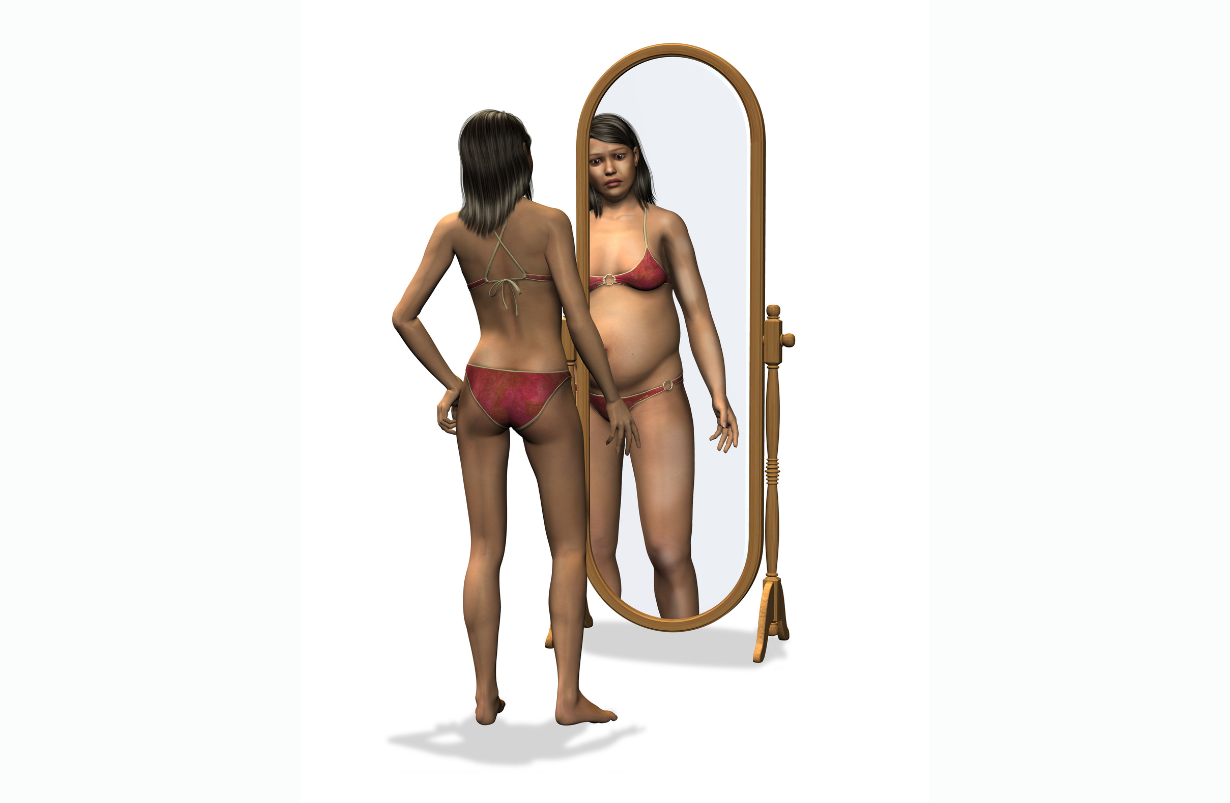
Anorexia, or anorexia nervosa (AN)is a potentially life-threatening eating disorder involving grave difficulty maintaining normal weight, profound fear of weight gain, stubborn culinary habits that work against any weight gain, and distorted perception of body weight and bodily characteristics.
Anterior Cruciate Ligament Tear
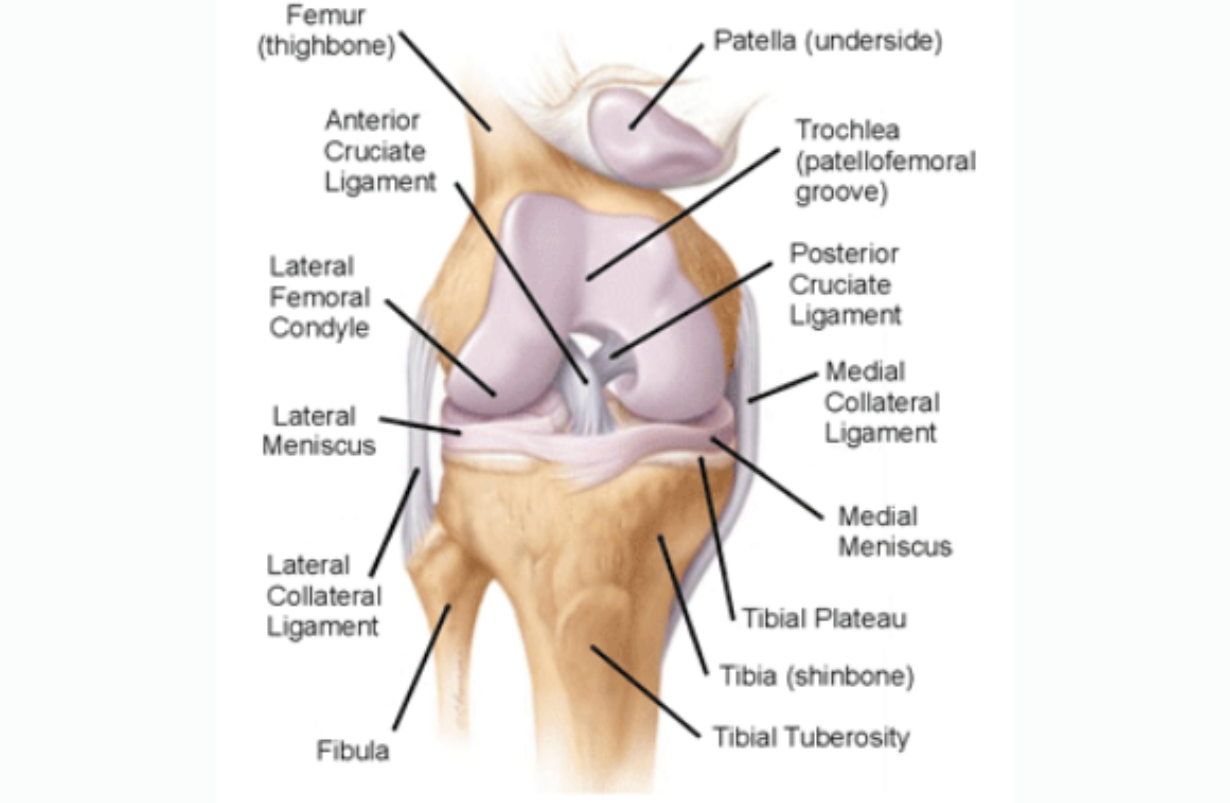
The anterior cruciate ligament goes from the back of the femur to the front of the tibia, and keeps the shin from sliding forward.
Anterior Total Hip Replacement
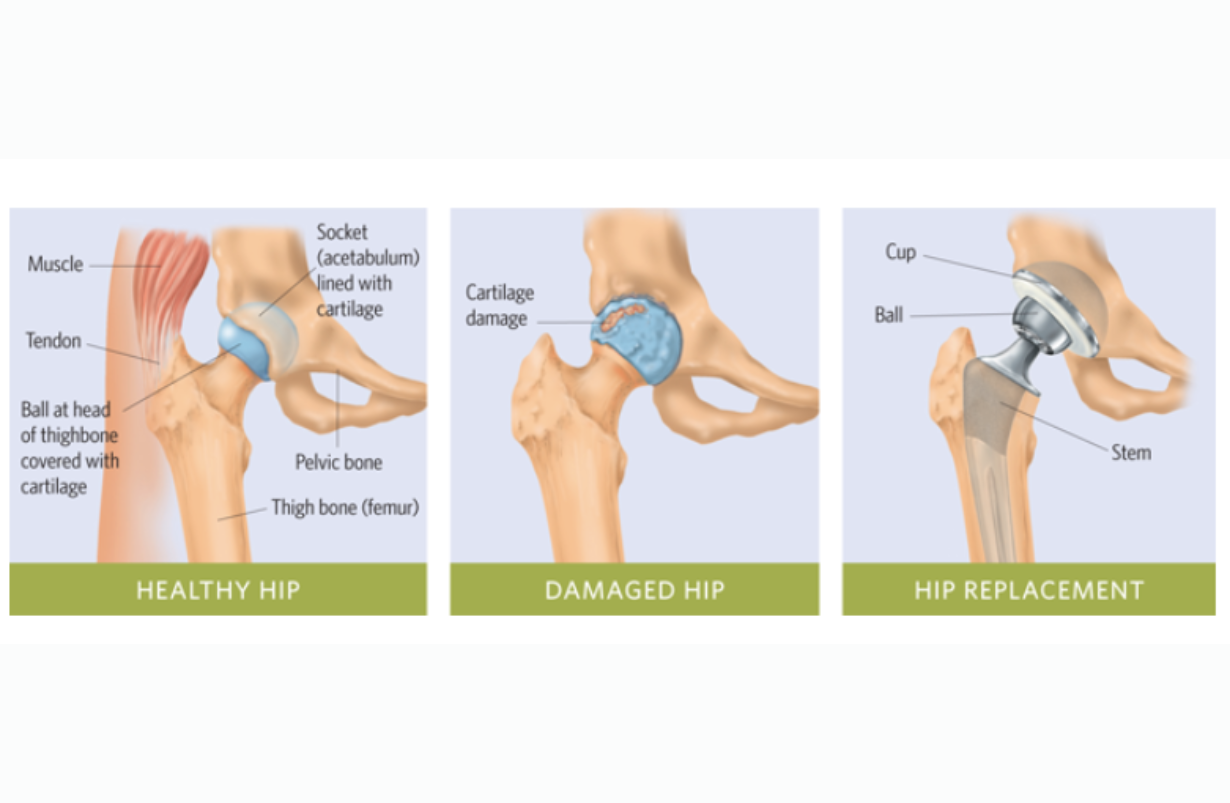
Surgical insertion of metal and plastic artificial joint, in which the incision is made in the front or side of the hip. Few or no muscles are cut; recovery is brief and nearly complete. In a fair number of cases, final recovery has a greater range of motion than before surgery. After 3 months, a cautious re-beginning of yoga is almost always fine. If there is doubt, contact the orthopedic surgeon. The poses to avoid are those that abduct and extend the leg. Upavista Konasana, Baddha Konasana, and Virabhadrasana I, II and III are contraindicated for longer, but may be cautiously approached after 6 months.
Anterolisthesis
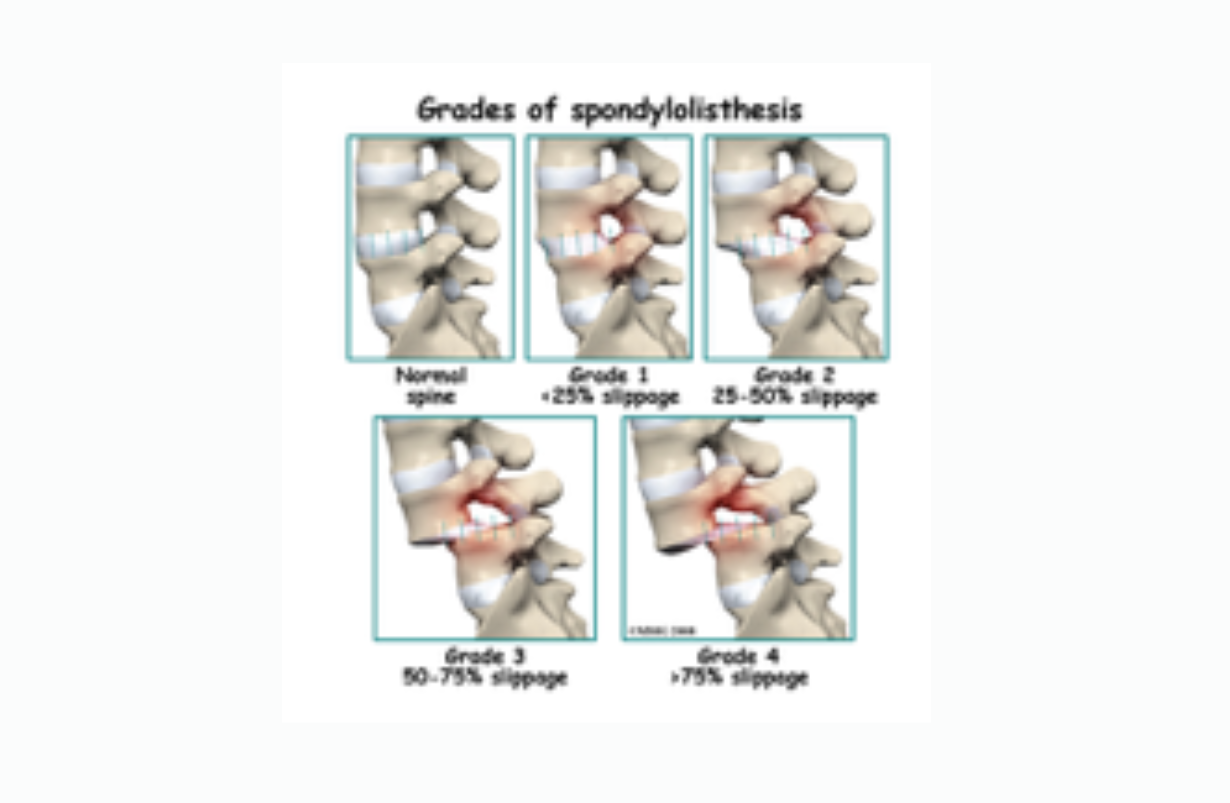
Forward sliding of one vertebra on the one below it: Grade I - 1-25% Grade II - 25 - 50% Grade III - 50 - 75% Grade IV - 75 -100% The vast majority are Grade I, but even that can be significant if there is also a bulging disc, arthritis, or other factors that narrow the central spinal canal or the narrow neuroforamina through which nerve roots pass on their way to the legs or arms.

Anxiety
Arterial Peripheral Vascular Disease
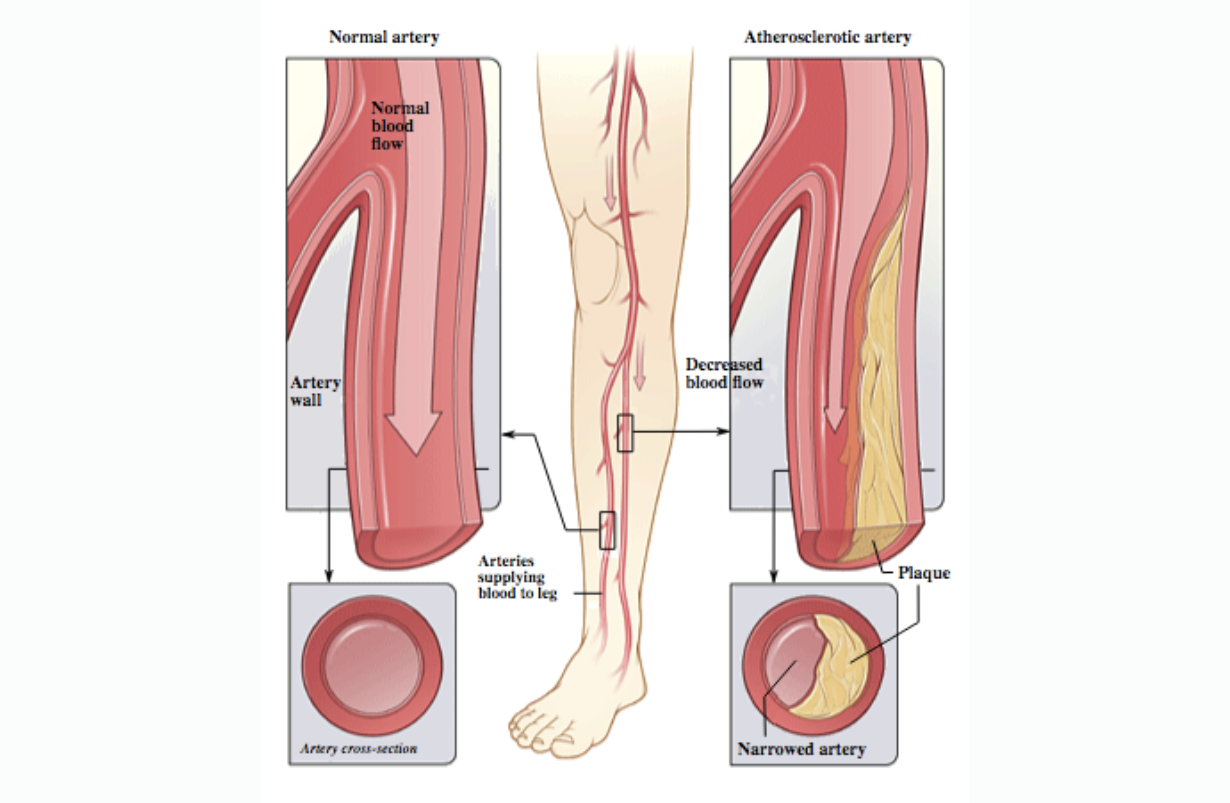
Narrowing of the arterial vessels, usually in the lower extremities. This restricts the blood flow, and in even mild or moderate exercise, muscles may require more oxygen than these blood vessels can carry to them. That will result in an inadequate blood supply, or ischemia, which is often painful. This condition is quite predictable. People with arterial insufficiency will often have calf and leg cramps after walking a specific distance, and feel it each time they do so, a condition called intermittent claudication, or pseudo sciatica. One good conservative means of reducing this condition is to reduce the arterial pressure even further, for short periods of time, which will tend to dilate the arterial vessels, and induce more collateral circulation. Headstand is a fine way to do this. Another effective conservative method is to walk as far as possible (before serious pain develops), then stop, and then return home. Doing this daily will double the walking range every three months. It is critical to avoid cuts in the feet and toes, since the healing process raises the blood flow demands, and infection will sometimes raise them so high above the actual ability of the maximum arterial supply that gangrene will follow.
Arthritis Hip
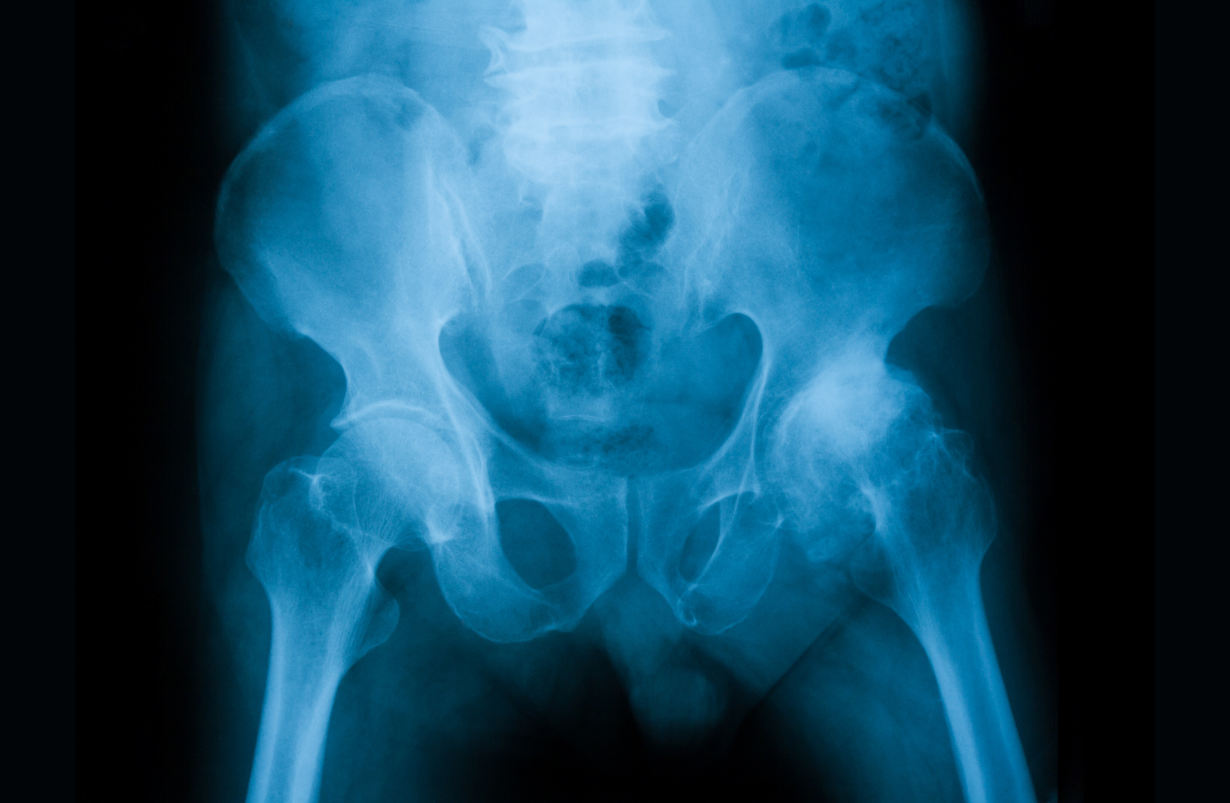
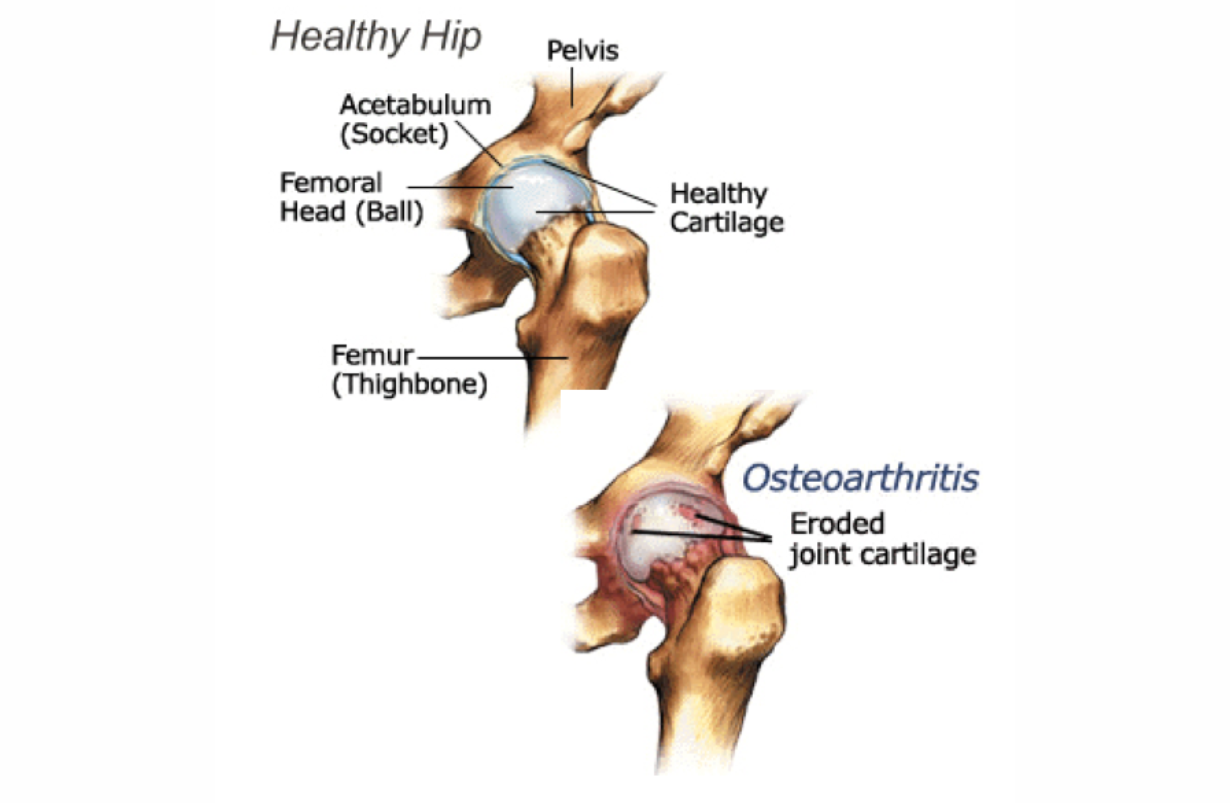
Erosion of cartilage and dysfunctional reshaping of bones forming the hip joint.
Arthritis Knee
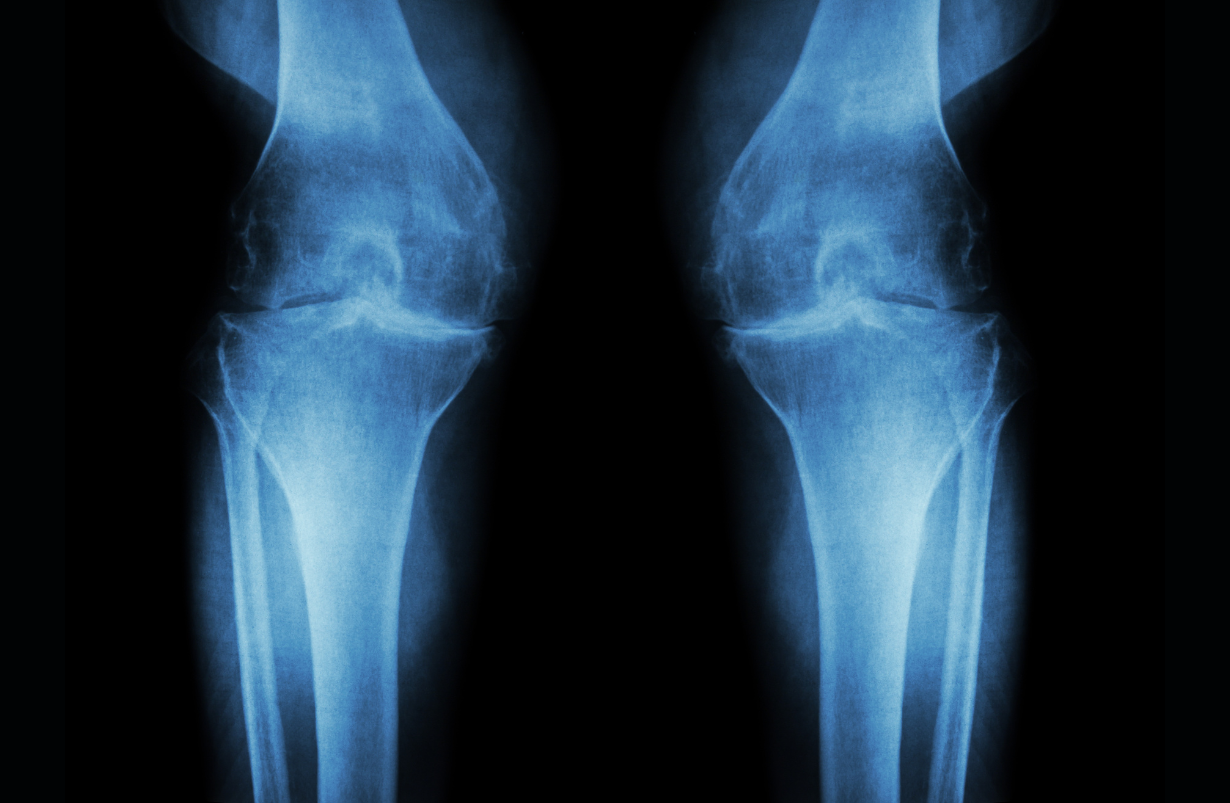
Erosion of cartilage and dysfunctional reshaping of the femur, tibia and/or patella (kneecap), the bones forming the knee joint.
Arthritis of basal joint of thumb
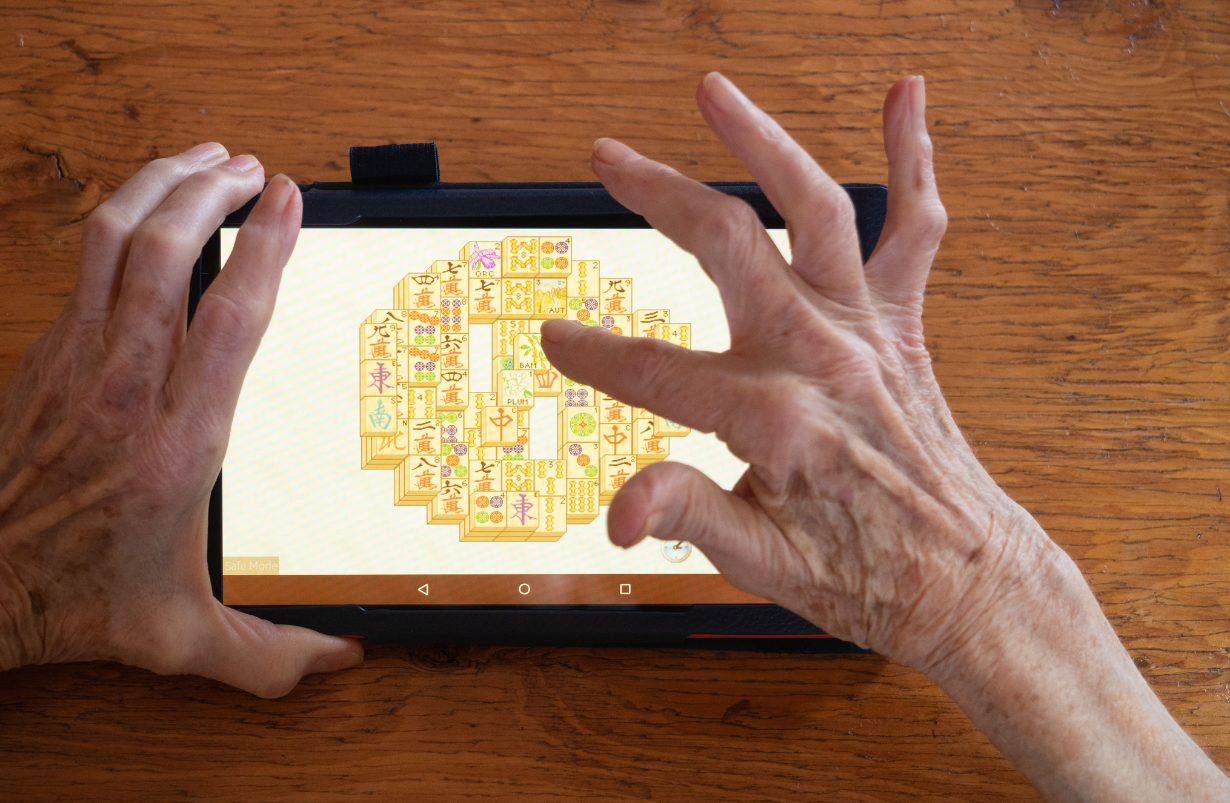
Pain with pressure, movement and sometimes at rest of the joint between the thumb and the hand. Frequently an early sign of osteoarthritis.
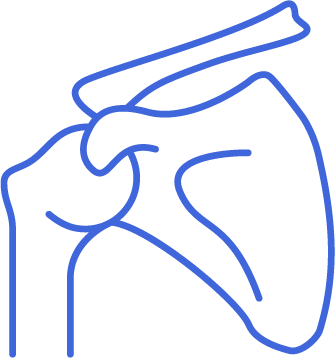
Arthritis Shoulder
Erosion of cartilage and dysfunctional reshaping of the bones forming the shoulder joint, the humerus and the glenoid fossa, part of the scapula or shoulder blade.
Asthma
Asthma, one form of COPD
Tightening of small bronchioles in the lungs, making exhalation, and therefore breathing , difficult.
Atrial Fibrillation
Paroxysmal atrial fibrillation is rapid beating of the heart's upper chambers, the atria. Iyengar yoga sessions with meditation as well have been shown to reduce its occurrence, whether symptomatic or not, and depressive and anxious episodes. Reference: Lakkireddy D1, Atkins D, Pillarisetti J, Ryschon K, Bommana S, Drisko J, Vanga S, Dawn B.Effect of yoga on arrhythmia burden, anxiety, depression, and quality of life in paroxysmal atrial fibrillation: the YOGA My Heart Study. J. Amer. Coll. Cardiol. 2013 Mar;19.61(11): 1177-82.
Attention Deficit Disorder
Attention deficit hyperactivity disorder (ADHD) is a developmental condition of inattention and /or distractibility, which may or may not be accompanied by hyperactivity. Yoga was shown to have modest benefits in a 6-week short term course, vs, wait-listed controls. Samantha CL Cohen, MD,a,g Danielle J Harvey, PhD,b Rebecca H Shields, MSc,c,g Grant S Shields, MA,d Roxanne N Rashedi, MA,e Daniel J Tancredi, PhD,a Kathleen Angkustsiri, MD,a,g Robin L Hansen, MD,a,g and Julie B Schweitzer, PhDf,gThe Effects of Yoga on Attention, Impulsivity and Hyperactivity in Pre-school Age Children with ADHD Symptoms. J Dev Behav Pediatr. Author manuscript; available in PMC 2019 Apr 1.J Dev Behav Pediatr. 2018 Apr; 39(3): 200–209. doi: 10.1097/DBP.0000000000000552
Breast Cancer
Cancer of the breast takes many forms. All involve the multiplication of cells whose genetic material has changed, which pathologically now causes these cells to multiply without their usual restrictions. Cancer of the breast may metastasize, growing at distant sites such as lymph nodes, bone, or liver. The most common symptom is a lump in the breast, although most such lumps are not cancer, and are benign. The most common site is the upper outer region of the breast. Medical treatment includes surgery, chemotherapy, imunotherapy and radiation. Mortality from breast cancer has been dropping over the past 30 years due to earlier detection and more effective treatment. A 2014 meta-analysis showed that women who engaged in the highest levels of physical activity after being diagnosed with breast cancer had a 29% lower risk for breast cancer–specific mortality and a 43% lower risk for all-cause mortality compared with inactive patients Translational Cancer Mechanisms and Therapy Jennifer A. Ligibel, Deborah Dillon, Anita Giobbie-Hurder, Anne McTiernan, Elizabeth Frank, MacIntosh Cornwell, Matthew Pun, Nancy Campbell, Ryan J.O. Dowling, Martin C. Chang, Sara Tolaney, Anees B. Chagpar, Rachel L. Yung, Rachel A. Freedman, LauraS. Dominici, Mehra Golshan, Esther Rhei, Krishan Taneja, Ying Huang, Myles Brown, Eric P. Winer, Rinath Jeselsohn and Melinda L. Irwin Impact of a Pre-Operative Exercise Intervention on Breast Cancer Proliferation and Gene Expression: Results from the Pre-Operative Health and Body (PreHAB) Study DOI: 10.1158/1078-0432.CCR-18-3143 These studies show a 29% improvement and also lower mortality in yoga users as compared to randomized controls who did not do yoga. Both groups had surgery within one month of starting the study.
Bunion
A boney growth on the medial (inner) side of the great toe that forces the great toe outward, toward the second toe.
Cancer (general)
In general, cancer involves changes in the cells' genetic material which cause the cells to multiply without the normal physiological restrictions. The cancer may spread, or metastasize to other parts of the body. According to the Cochrane Database, there is no good evidence that yoga is of benefit for cancer patients in general, although there is good evidence that yoga is beneficial in breast cancer. Relying on yoga instead of standard medical practices doubles the mortality rate, although using yoga in addition to established medical treatment has no documented adverse effect. However, anecdotally, many cancer sufferers report on the personal benefits of yoga, whether treated surgically, with radiation, or chemotherapeutically. A recent eloquent example is Dr. Timothy McCall's "Saving my Neck," Whole World Publishing, Burlington, VT; 2019. Safety of yoga poses in cancer patients depends upon tumor type and location as well as the side effects and limitations imposed by treatment.

Carpal Tunnel Syndrome
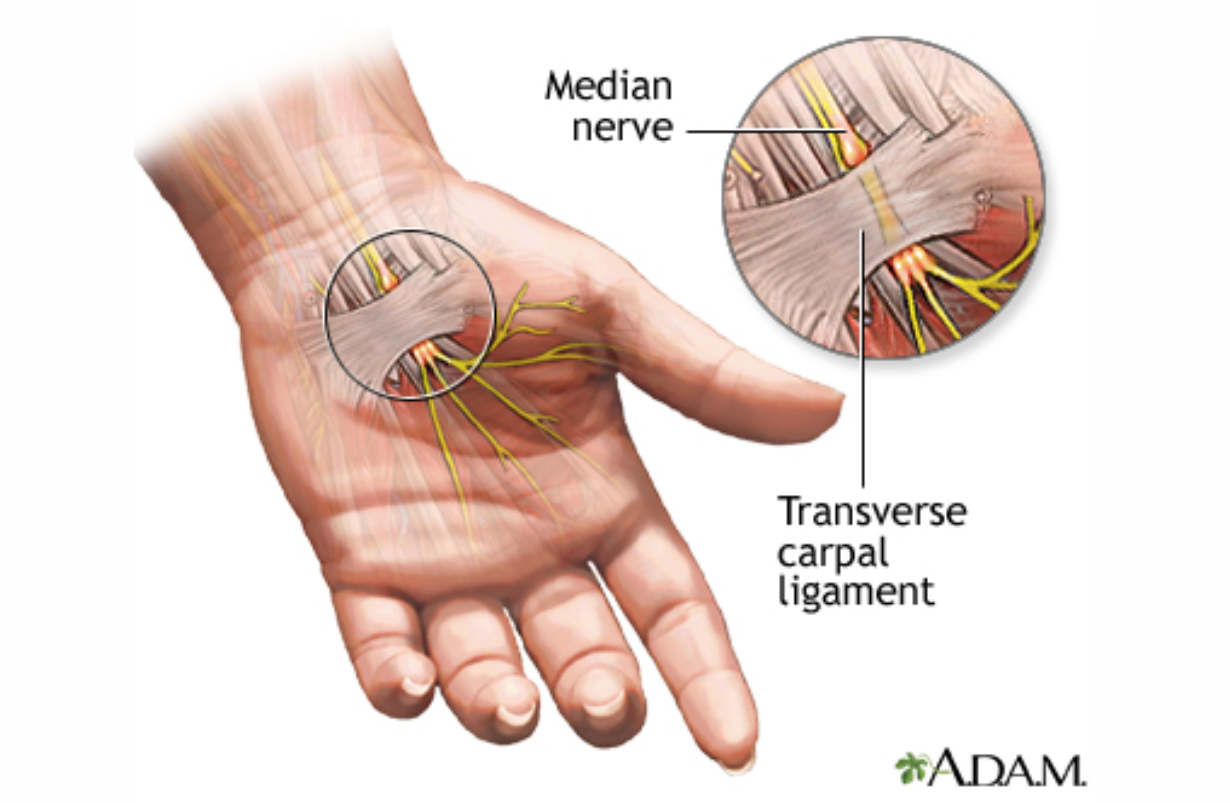
Compression of the median nerve at the wrist. The main effect is weakening of the abductor pollicis brevis, the muscle that gives us humans the opposable thumb. There may also be pain at the wrist and sensory loss along the palmar thumb, index, middle and half of the fourth finger.
Cerebrovascular Accident
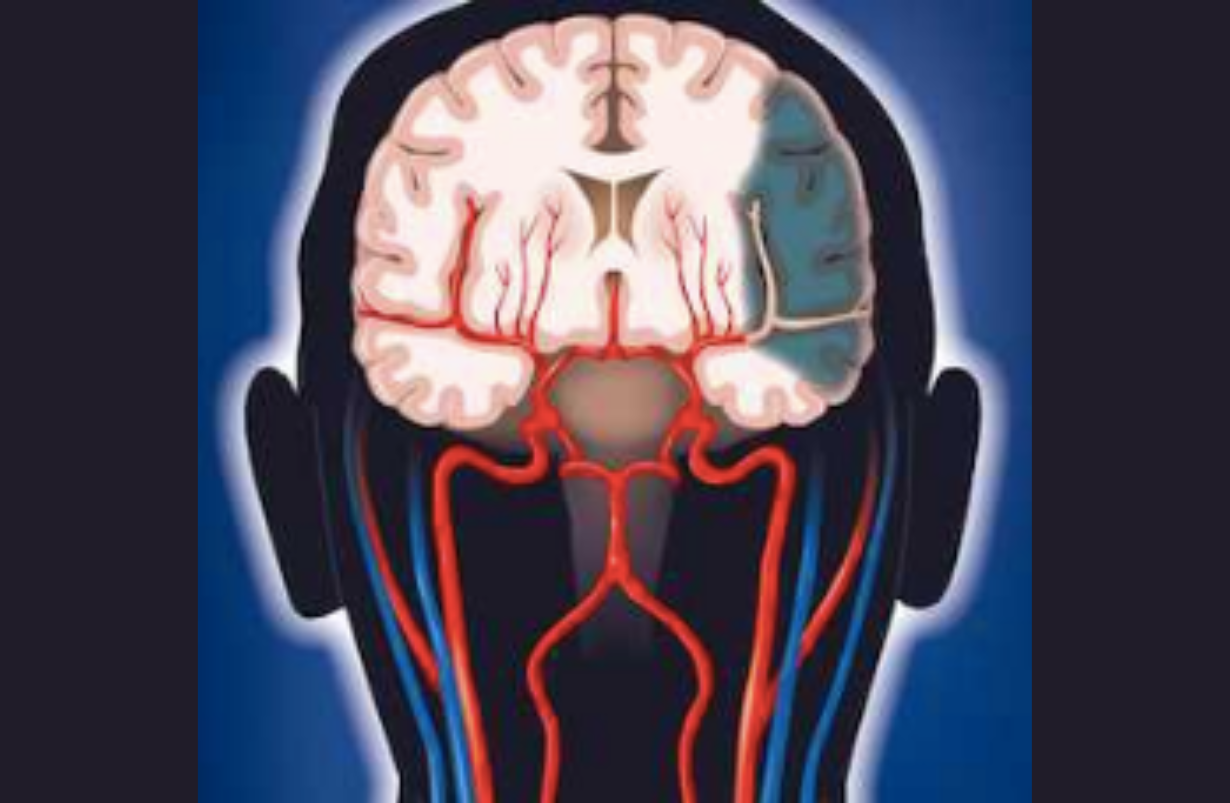
Internal injury to regions of the brain due to vascular causes. The two main types are Hemorrhagic, in which there is internal bleeding, and Thrombembolic, in which smaller arteries within the brain become blocked by small blood clots, cutting of circulation to a section of the brain. In either case there is death of some of the brain's tissue.
Cervical Spinal Stenosis
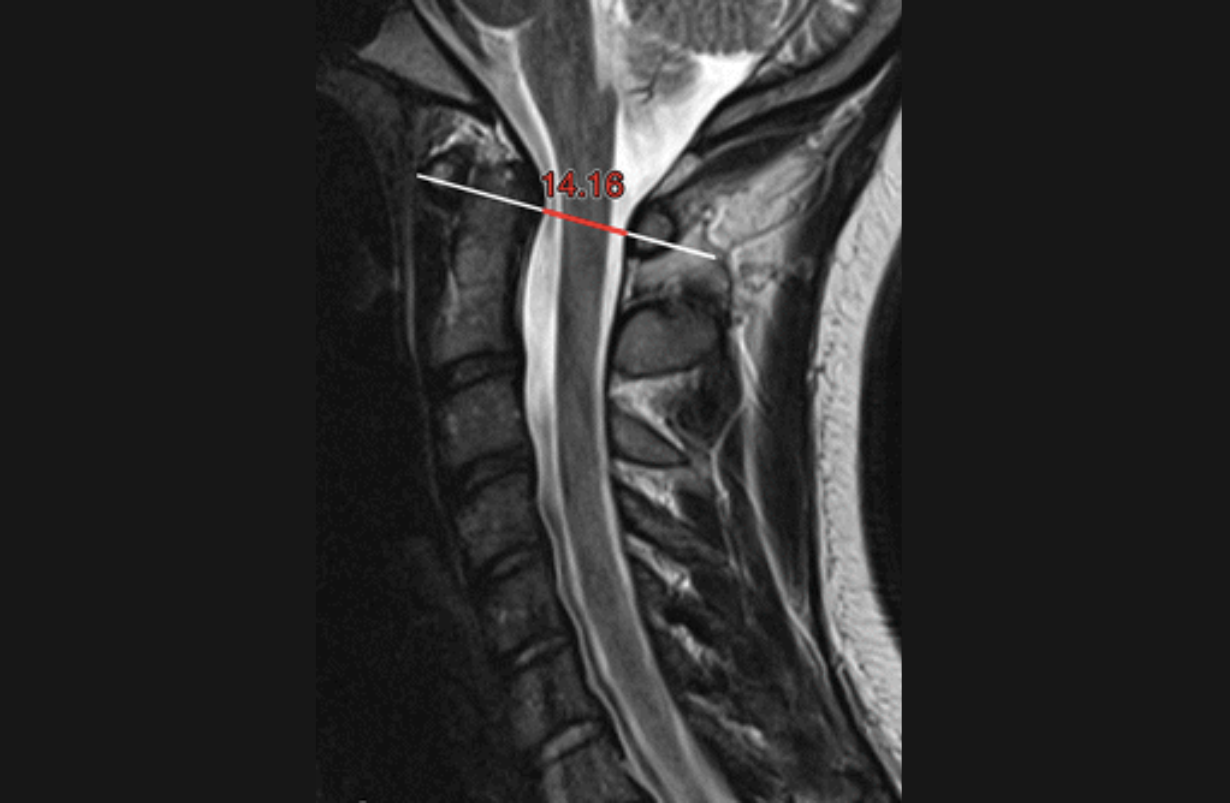
Narrowing of the canal the spinal cord passes through within the cervical vertebral column. The usual symptoms are cervical or arm or hand pain or numbness or paraesthesias that worsen with extension.Sometimes lower extremity reflexes are elevated.
Chondromalacia Patellae
Attrition of the kneecap's cartilage, which is painful due to its increased and irregular pressure on the femur and the tibia. Chondromalacia Patellae can frequently be detected by gently rubbing the relaxed kneecap against the underlying femur and tibia, which will produce discomfort if the condition is present.
Chronic Fatigue Syndrome
Inexplicable onset of fatigue and contraction of emotional scale and depression of mood that is out of proportion in its current context. Current research favors isometric and seated postures, with reduction in fatigue and improvement of mood.
Chronic Obstructive Pulmonary Disease
Chronic obstructive pulmonary disease or COPD is characterized by interference with the process of taking in or expelling air during respiration. In asthma the smaller airways or bronchioli are constricted, so when the diaphragm rises and increases pressure on the lungs, that pressure closes the small airways, trapping the air in the lungs that should be exhaled.This naturally decreases how much new air can be inhaled. In emphysema the bronchial tubes are enlarged, giving insufficient space to smaller airways, with th same effect. In bronchitis the cause of constriction is inflammatory.
Complex Regional Pain Syndrome
Complex Regional Pain Syndrome is a nervous system response to chronic pain that involves small blood vessels and other systems that are under the control of the autonomic nervous system. The symptoms may be extremely varied and non-anatomical: feelings of crushing or twisting, or burning and prickliness will not generally follow the dermatomal or myotomal boundaries, nor correspond to specific muscles or specific regions of the central nervous system. Skin and bones are generally affected, and the symptoms may spread from one extremity to another without new injury.CRPS I relates to these responses after injury; CRPS II denotes the same family of symptoms following surgery. Theories of its origins, pathogenetic mechanism(s) and treatment are unproven at this time, but we have found the following theory and practical strategy to be helpful, though treatment may take a full year. Yoga is extremely helpful in the long run in our clinical experience. In CRPS the voluntary nervous system abandons a limb, to a varying extent, that is not always proportional to the pain, and the sympathetic nervous system gains more dominance, altering blood flow and affecting other functions, generally in the limbs. Yoga, and other straightforward activities gradually brings the voluntary nervous system into greater prominence, and that seems to genuinely relieve the condition, at least somewhat, over time. Other activities that help e.g., are drawing circles, squares, triangles and the like with a pencil held between the toes. Our greatest successes come from a general yoga program with beginning pranayama, focussing on intentional activity of the affected limb(s) and integrating them into larger bodily movements. REFERENCE: Schwartzman RJ, McLellan TL.Reflex sympathetic dystrophy. A review. Arch Neurol. 1987 May;44(5):555-61. https://www.ncbi.nlm.nih.gov/pubmed/3495254
Compression Fracture
Congestive Heart Failure
Congestive Heart Failure occurs when the heart receives more blood than it can pump out, leading to pulmonary and bodily edema (swelling). The heart itself is frequently dilated, making its contractions significantly less efficient in its pumping action.
Coronary Arterial Disease
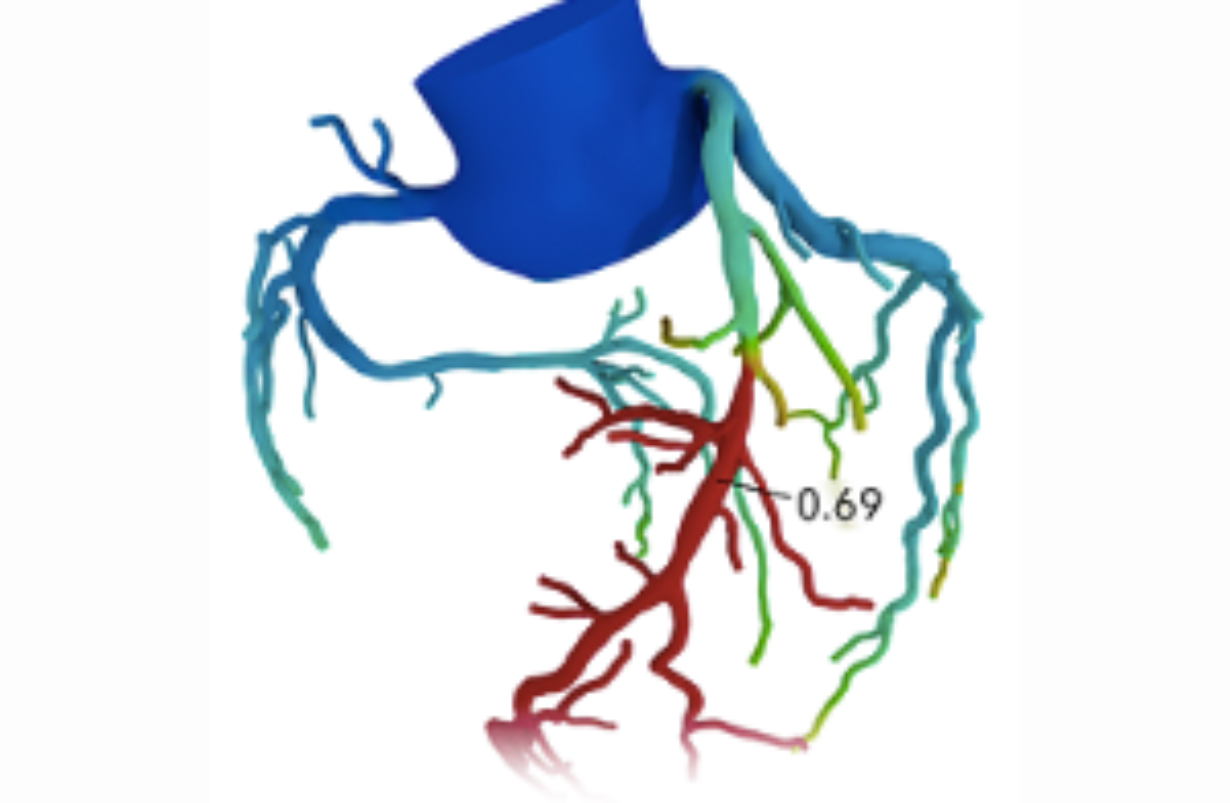
Pathological condition involving the heart's blood vessels in which its blood supply is compromised. It is a frequent precursor to coronary infarction or heart attack.

COVID-19
3/22/2020: A novel respiratory virus in the coronavirus family that became a pandemic in 2019-2020. Its cardinal symptoms are high fever, dry cough and shortness of breath, the latter being present approximately 20% of the time. Effective breathing can become so impaired that a respirator is necessary. Mortality is in the 1-4% range, with elderly and debilitated persons being particularly at risk. The Chinese experience suggests that people at 80 years or more have a 15% mortality rate, while people under 40 years of age have mortality of 0.2%. Further breakdown approximates further liabilities regardless of age: Cardiovascular = 10%; Diabetes Melletis = 7%; Chronic Respiratory Conditions = 6%; Hypertension = 6%; Cancer = 5.5%, while those with no health-related condition have a 1% mortality. During the pandemic, regions of high incidence are advised to practice "Sheltering in Place," which entails going out of one's home and encountering others as seldom as possible, keeping a "social distance" of 6 feet or more, and closing of non-essential businesses and all entertainment and cultural activities Pharmacies, groceries, and health facilities remain open. Transportation is mnimized. Although no cure is known at this writing, Chloroquine and Hydrochloroquine (medicines used in Malaria, and for Lupus Erythematosis and Rheumatoid Arthritis), were in current clinical trials (https://www.covidtrial.io/), and other medications such as the antibiotic Azithromycin (Z-Pack) and Ramdesivir, (a medication used vs. Ebola), the best clinical trial coming out of China, and Lopinavir/Ritonavir, with a mildly positive report in the New England Journal of Medicine on March 18, 2020 (Circa199-patient controlled study found 1 day shorter recovery in severely affected individuals, with more gastrointestinal but less overall complications in the treatment group. B,Wang Y, M.D., Wen D, Liu W, Wang J, Fan G, Ruan L, Song B, Cai Y, Wei M, Li, X M.D., Xia J, M.D., et al. A Trial of Lopinavir–Ritonavir in Adults Hospitalized with Severe Covid-19. DOI: 10.1056/NEJMoa2001282). A study at the University of Nebraska is evaluating Ibuprofen. Nutritional remedies include Zinc, 12 mg/day, an element plentiful in oysters, and also present in elderberry, beef, breads and legumes, and Selenium, 100 -2-- mcg/day, which is found in Brazil nuts, seafoods and also in breads. Since weakness in respiratory muscles and lowered immunity are prominent in COVID-19, yoga has significant benefit in raising the strength of respiratory muscles, oxygenating little-used lung fields, and lowering anxiety, a major source of lower immunity. Contraindicated is an arduous workout, since strenuous activity is known to impair immunity in the short run. When no contagion is threatening, reasonably challenging yoga series are highly recommended. Breathing exercises to strengthen and coordinate respiratory musculature, and raise tidal volume, and for calm, are highly recommended. Visama Vritti Pranayama and Viloma Pranayama are particularly useful in raising your general pulmonary health, as a preventative measure. For Viloma see the video in Insomnia. .
Depression
Biological and behavioral indications of sadness, helplessness, and unhappiness as manifested by insomnia, loss of interest in previously engaging subjects, being easily frustrated and irritated, reduced speech and activity and appetite, and uncharacteristically poor performance in multiple areas. In 2019, research by Streeter, et. al. at Boston University confirmed that major depression's symptoms are somewhat relieved by Iyengar Yoga and breathing exercises. However, no dose-response effect was statistically significant.
Diabetes Mellitis
The normal body’s way of handling blood sugar yields a fasting blood sugar of 100, rising to less than 126 mg/dL after an oral challenge of 75 g of glucose. Diabetics register fasting blood sugars at 126 mg/dL or above, which will then top 200 mg/dL after the challenge. An intermediate fasting level of blood sugar (100-125 mg/dL) and a moderate rise to this challenge (140 -199 mg/dL) are considered diagnostic of prediabetes. Medically there are three types of diabetes: Type I, in which your body does not make enough insulin. Type II, in which your body does not utilize insulin properly, "insulin resistance." Over 90% of type II diabetes is related to being overweight. Gestational Diabetes, the diabetes that sometimes accompanies pregnancy.
Dupuytrens Contracture
Shortening of the fascia encasing fingers' flexor tendons, most often affecting the fourth and fifth fingers of men over 40 of European descent. The tightened tendon(s) often form raised uneven ridges in the palm, and make it impossible to fully extend the involved finger(s).
Emotional Instability
Lability, volatility, raising the risk of unpredictable feelings and actions.
Endometriosis
Endometriosis involves the growth of uterine-like tissue within the ovaries, fallopian tubes, and elswwhere in the pelvis. It is often painful.
Epilepsy
Epilepsy is a brain disorder characterized by abnormal and excessive brain activity producing non-volitional behavior which may be gross uncoordinated flexion and extension of different groups of muscles (tonic-clonic), or total stillness (absence). Yoga, especially meditation has been found helpful in reducing the incidence as much as 62%. One successful form is Sahaja yoga in which the meditator first becomes calm and attentive to the chakras, then entertains gratitude and forgiveness to all beings including onesself, and then feels various parts of his or her body
Facet Syndrome
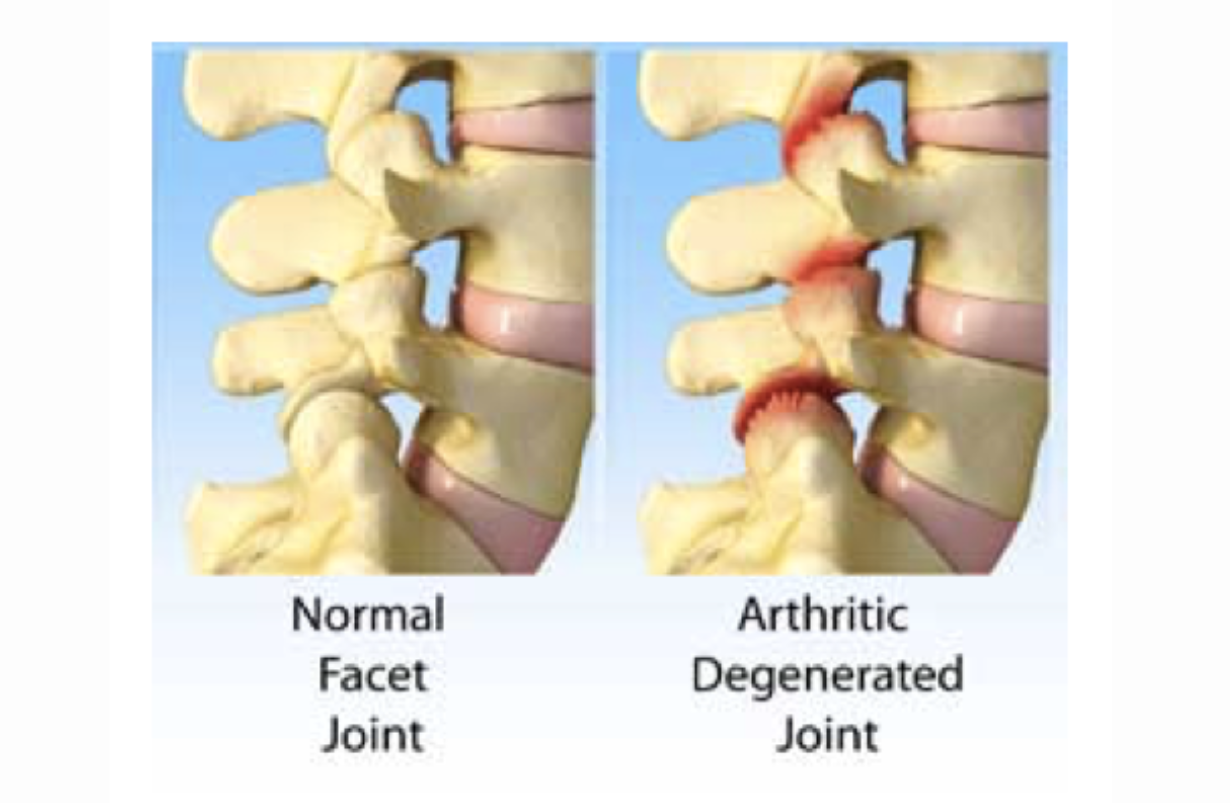
Painful difficulty in moving one or more facet joints, the small joints at the back of the vertebrae. This occurs either from arthritis or muscle spasm. These are the small joints at the top and bottom, and to the right and left of each vertebra, that interface with the same joints in the vertebrae above and below. When they swell in arthritis, they narrow the central spinal canal, and are an element in central spinal stenosis.
Fatigue
A chronic low-energy state with diminished initiative and frequent feelings of near-exhaustion or exhaustion not explained by actual previous activity. This condition is sometimes associated with insomnia, depression, fibromyalgia, chronic diseases and cancer, but can occur without any. Some authors also associate it with Epstein-Barr virus, but in spite of many studies, this connection is not proven.
Fibromyalgia
Fibromyalgia is a chronic syndrome occurring predominantly in women that involves diffuse and often non-specific pain, multiple defined and sometimes symmetrical tender points, fatigue, and disturbed sleep,. Symptoms are recurrent or constant, and may vary considerably over time. EEG studies sometimes find alpha-delta penetration in polysomnograph recordings, and symmetrical involvement of trigger points and "potential trigger points" have been identified in EMG on cats. They are abolished upon pithing the cats' central nervous system.
GERD - Gastroesophageal Reflux Disease
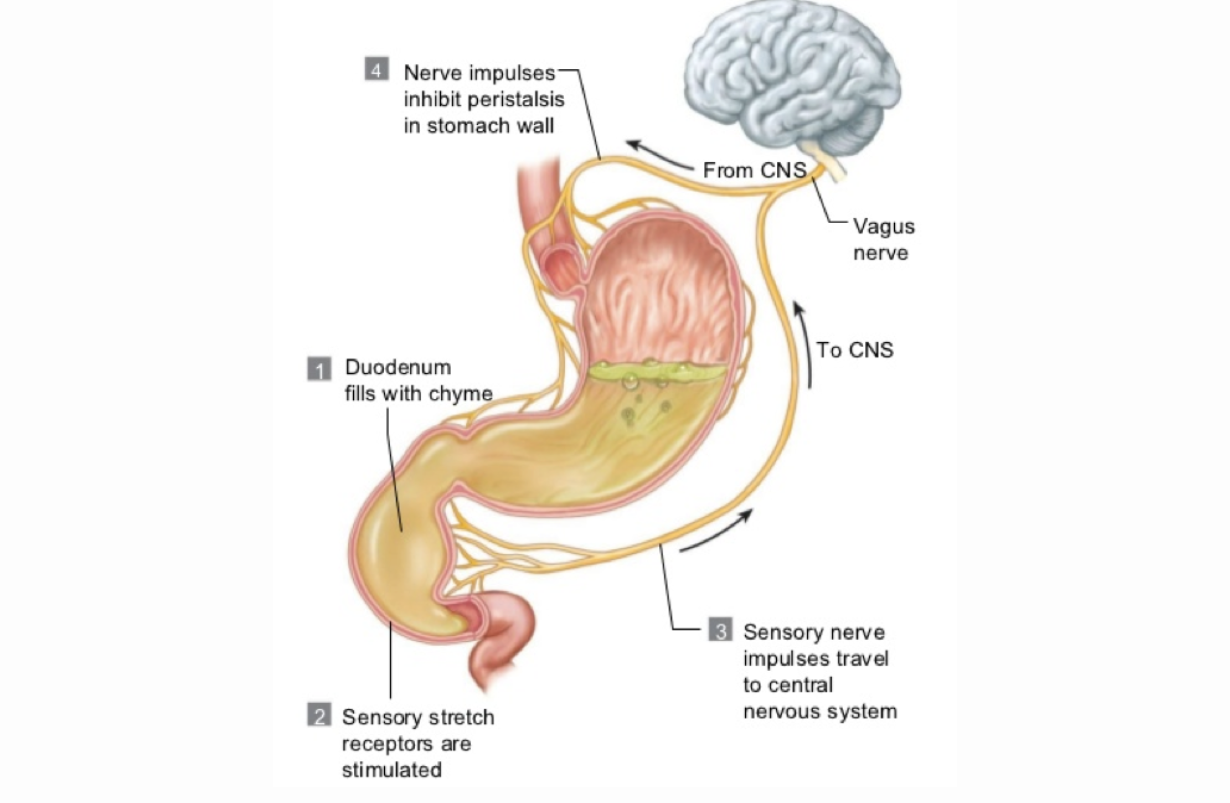
Leaking of acidic stomach contents back up into the esophagus, often causing heartburn.
Gestational Diabetes
Elevated blood glucose occurring during pregnancy.
Glaucoma
Abnormally high intraocular pressure (IOP) that may damage the optic nerve. Leading cause of blindness. There is no evidence that yoga is beneficial in glaucoma. Rather, there is strong evidence that inverted poses raise IOP, particularly headstand and handstand. Bhartiya S, Ichhpujani P. Complementary and Alternate Management of Glaucoma: The Verdict so Far..J Curr Glaucoma Pract. 2014 May-Aug;8(2):54-7. doi: 10.5005/jp-journals-10008-1161. Epub 2014 Jun 12. Fishman LM. Ophthalmological consequences of inversion. sciatica.org.
Headache Cervicogenic Cephalgia
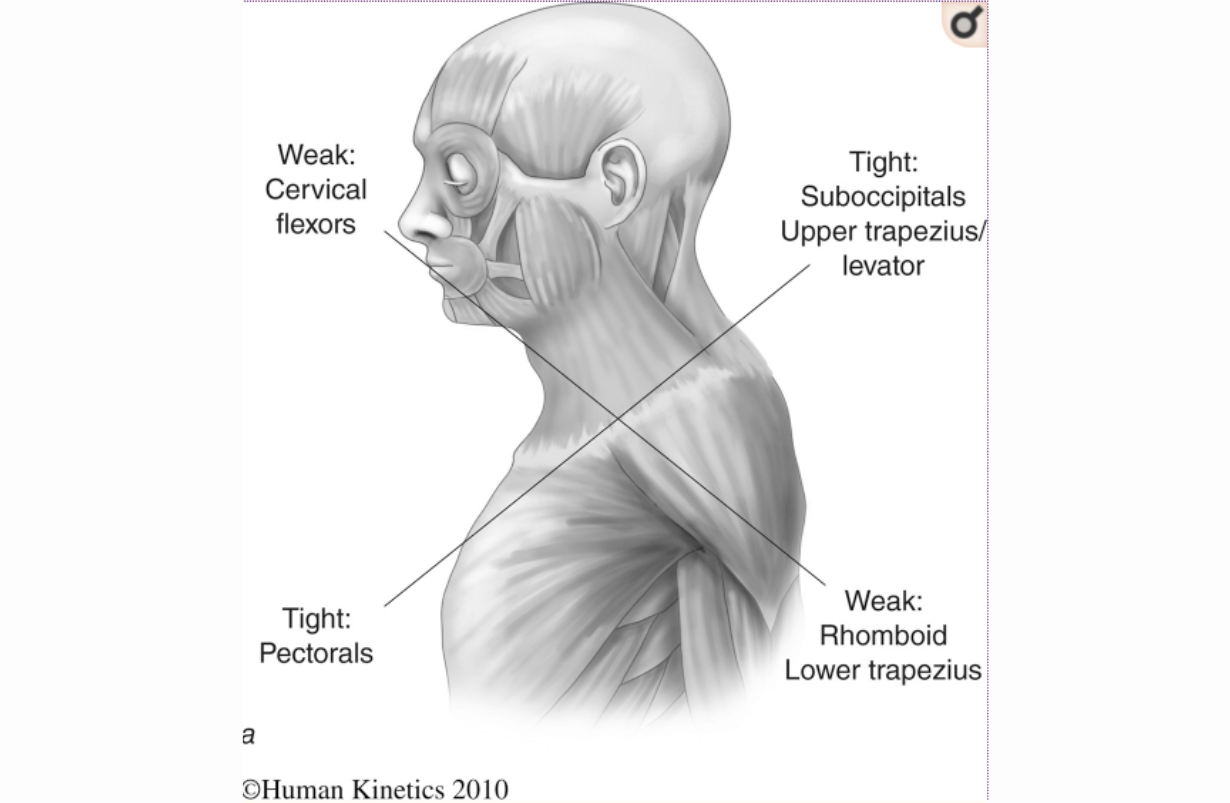
Headache caused by neck pain.
Headache Migraine
Migraine headaches are frequently preceded by an aura, which has visual, auditory or olfactory sensory features, and are usually (but not always) unilateral. They often become chronic, a turn of events often associated with overuse of medicines. Migraine headaches are the third most common disabling condition in the United States, affecting more than 28,000,000 people, 3/4 of whom are women. One third of these people began experiencing headaches before age 12. Vomiting, nausea, dizziness and painful experience of light (photophobia), are common symptoms in headaches lasting 12-48 hours.
Headache Tension
Generally a sharp knife-like pain in the region of the eyes and forehead.
Hernia (abdominal)
Slippage of intestinal contents through a break in the anterior abdominal wall.
Herniated Cervical Disc
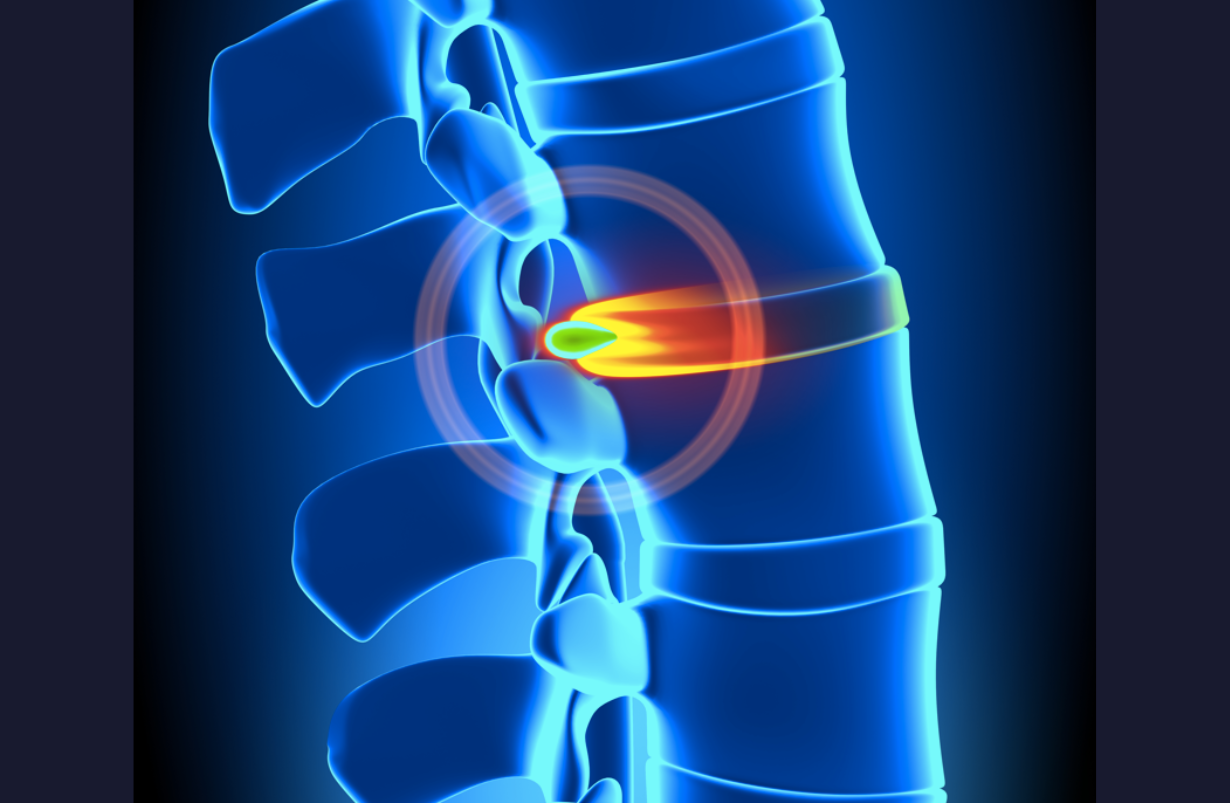
Bursting of cervicalintervertebral disc which generally casts material posteriorly into the region of the neck usually reserved for nerve roots. This can press on the nerve roots or bring about an inflammatory reaction, both of which can activate fibres within or at the surface of the nerve roots, causing pain, paraesthesias, numbness and muscular weakness in the cervical spine and the upper extremities. In some cases, where the herniated disc is in the center, the disc material can actually affect nerves destined for the lower extremities and pelvic floor, causing hyperactive reflexes as well as the other symptoms mentioned above, and even incontinence.
Herniated Lumbar Disc
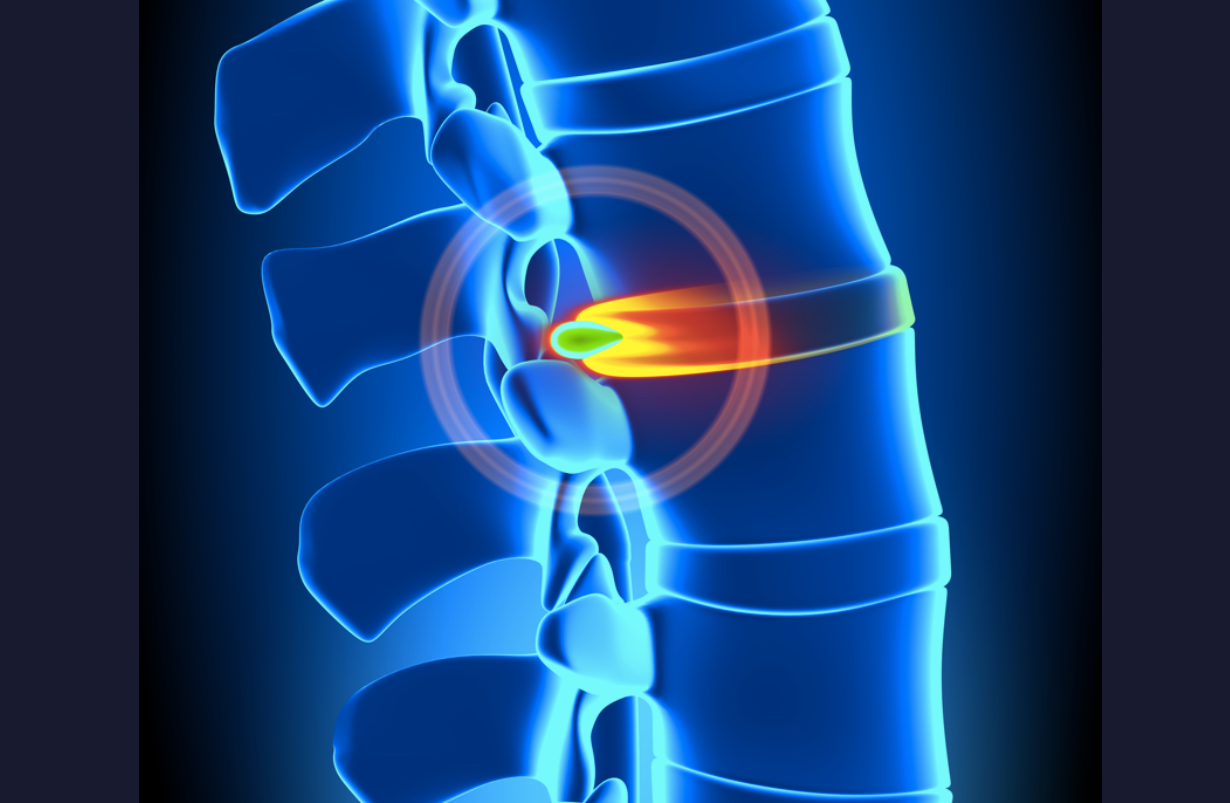
Bursting of intervertebral disc which generally casts material posteriorly either into the spinal canal itself, narrowing the canal, or into the neuroforamina of the lumbar region. the openings between the vertebrae that are usually reserved for nerves. If the disc material moves into the canal, then arching the back, which is usually beneficial for people with herniated discs may not be helpful because it can further narrow the already stenotic canal. If the disc material moves into the neuroforamina, then twists may be done, and may even be beneficial done away from the side of the herniated disc. They are likely to be harmful when done to the side of the herniation.
Herniated Thoracic Disc
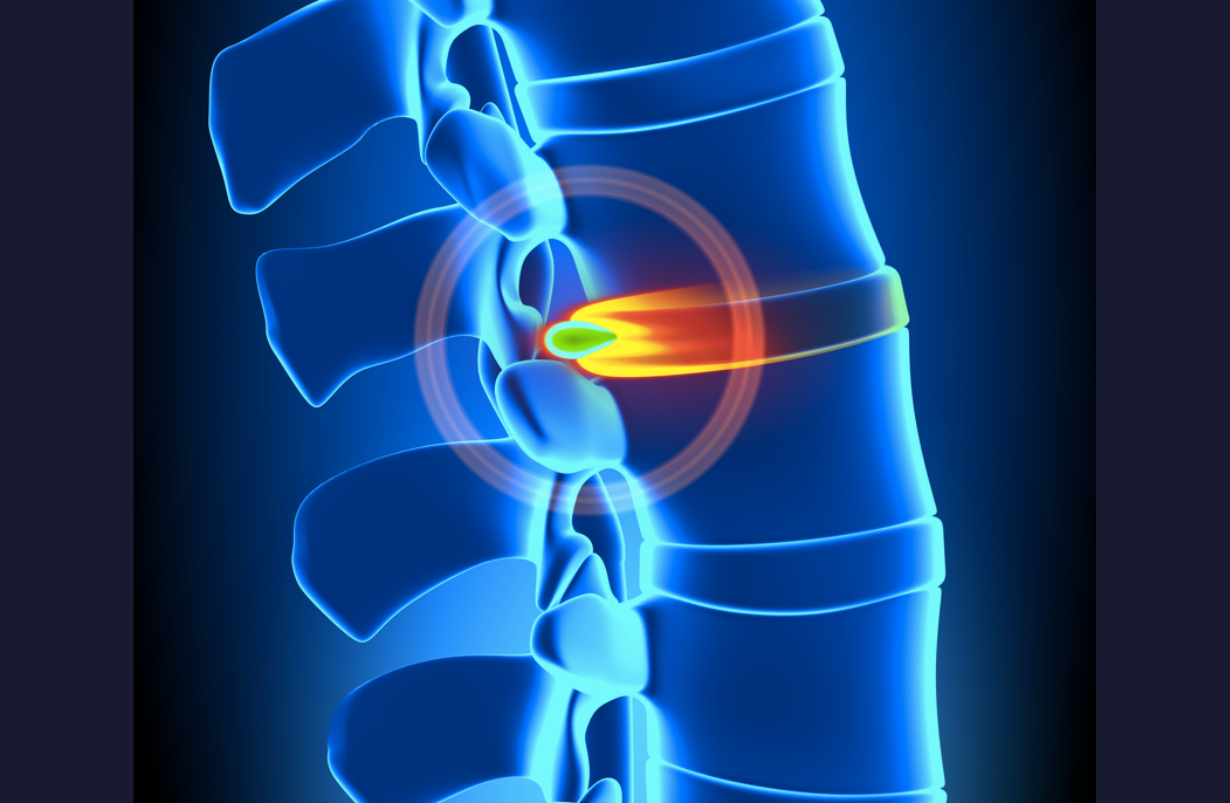
Rupture of the outer layer of the intervertebral disc, generally backward toward the nerves, which in the thoracic spine are largely intercostal nerves, serving the ribs and muscles between them. It is not common, but is seen more frequently in diabetes than otherwise.
HIV
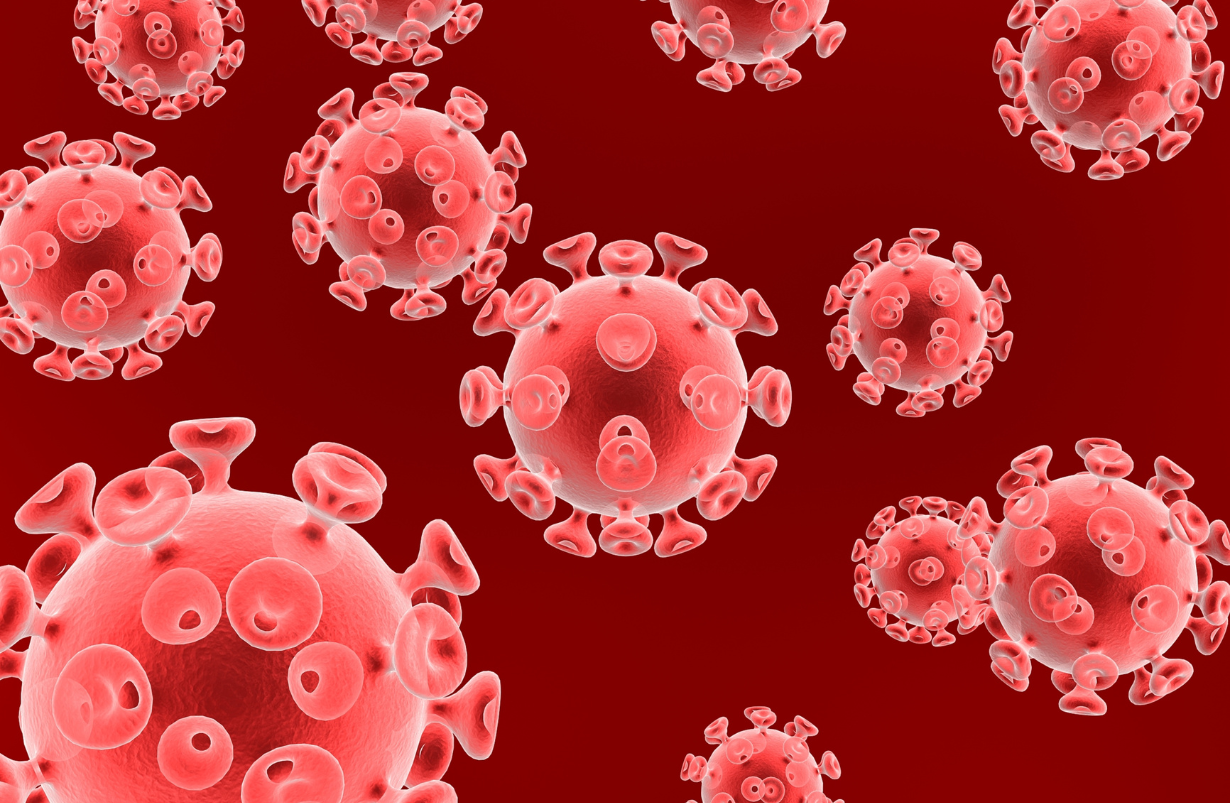
Corona viral condition that depletes the immune system, particularly CD 4 cells. It is debilitating both in itself and because it increases vulnerability to other infectious conditions. Minfulness meditation has been shown to stabilize the otherwise declining CD 4 cell count. J David Creswell 1, Hector F Myers, Steven W Cole, Michael R Irwin. Randomized Controlled Trial Brain Behav Immun. 2009 Feb;23(2):184-8. doi: 10.1016/j.bbi.2008.07.004. Epub 2008 Jul 19. Mindfulness Meditation Training Effects on CD4+ T Lymphocytes in HIV-1 Infected Adults: A Small Randomized Controlled Trial

Hypertension
Systolic blood pressure above 140 mm/Hg or diastolic blood pressure above 90 mm
Imbalance
Reduced ability to retain stance or walking without risk of otherwise uncaused faltering or falling
Insomnia
Inability to fall asleep, stay asleep or go back to sleep after awakening.
Irritable Bowel Syndrome
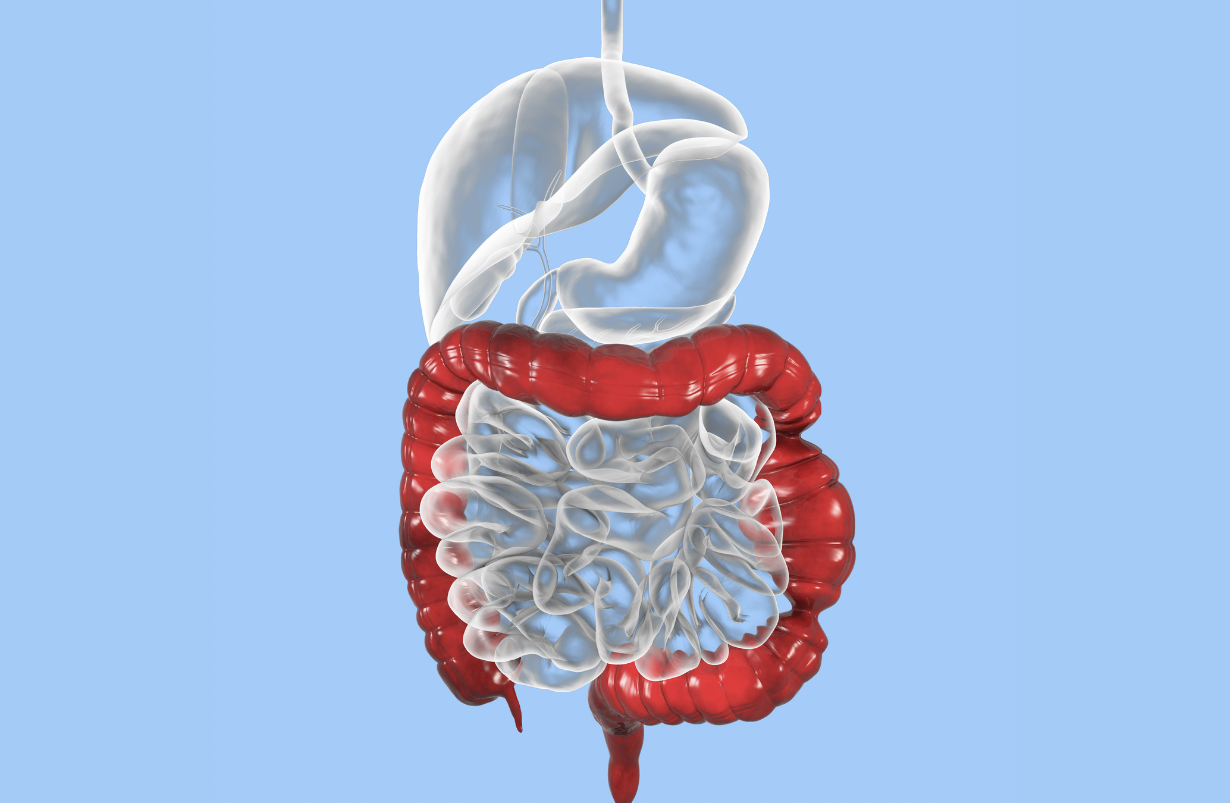
Irritable bowel syndrome (IBS) is said to affect 14% of adolescents, (where it frequently begins) and millions of adults in the United States. It is characterized by abdominal pain, cramping, explosive diarrhea, and other gastrointestinal abnormalities such as white or clear mucus per rectum, constipation, heartburn, bloating, nausea, and vomiting, poor libido, urinary frequency and intensifying of symptoms premenstrually. It is not an inflammatory condition. Symptoms maybe brought on by stress. It is unusual for IBS to appear first in adulthood, and although it is possible, these symptoms appearing first in adults may often be due to other, more organic causes. A general yoga regimen is reported to help quite a bit, as is mindfulness training. Schumann D, Anheyer D, Lauche R, Dobos G Langhorst J, Cramer H. Effect of Yoga in the Therapy of Irritable Bowel Syndrome: A Systematic Review. Clin Gastroenterol Hepatol. 2016 Dec;14(12):1720-1731. doi: 10.1016/j.cgh.2016.04.026. Epub 2016 Apr 22.PMID: 27112106 DOI: 10.1016/j.cgh.2016.04.026
Ischial Bursitis
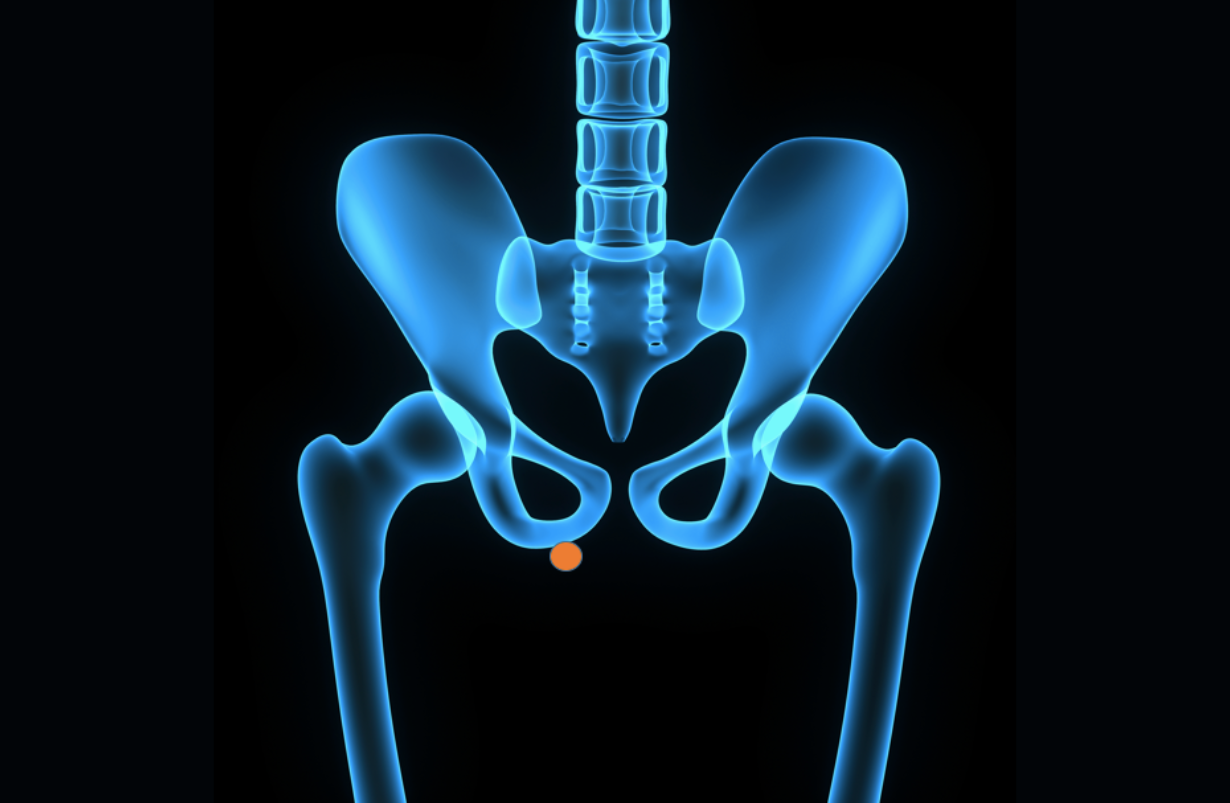
Inflammation of a pouch of fluid at the ischial tuberosity. There is no yoga known to the authors that will be beneficial for ischial bursitis. However, there are a number of poses that should be avoided so as not to irritate the bursal swelling further. See "Conditions," and look under "Contraindicated Poses."
Kyphosis
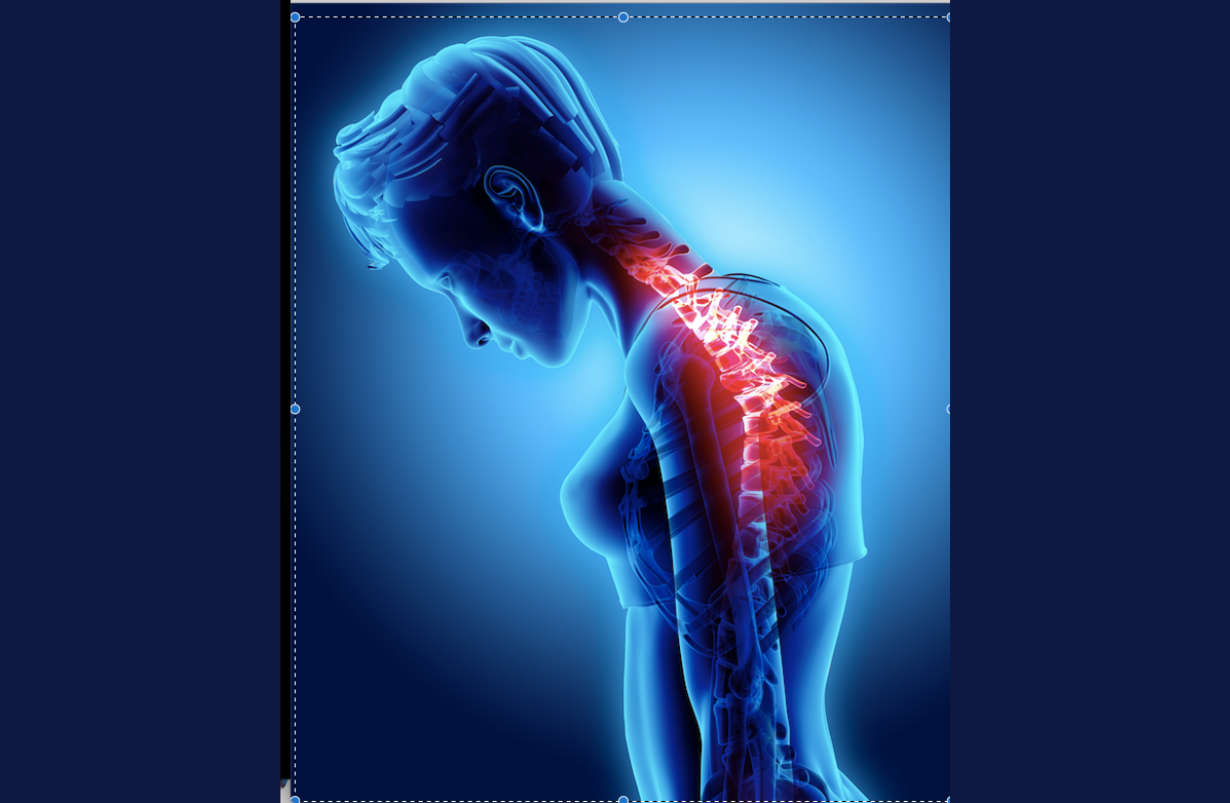
DEFINITION: Exaggerated or extreme forward (ventral) bending usually of the thoracic spine. It is often caused by aging with poor posture, but may also be due to wedge fracture(s) of the front (anterior) portion of the vertebral body(ies), itself a frequent sequel to osteoporosis. BENEFICIAL POSES: Utkatasana with lumbar spine and back of head against a wall, Salabhasana, Uttana Padasana. EXPLANATION: Utkatasana with a wall prompts awareness of which muscles need to be coordinated for better posture. Salabhasana and Uttana Padasana strengthen the paraspinal muscles required to reduce kyphosis. REFERENCE: Greendale GA, Huang MH, Karlamangla AS, Seeger L, Crawford S.Yoga decreases kyphosis in senior women and men with adult-onset hyperkyphosis: results of a randomized controlled trial. J Am Geriatr Soc. 2009 Sep;57(9):1569-79. doi: 10.1111/j.1532-5415.2009.02391.x. Epub 2009 Jul 21.
Labral Tear of Hip
Separation of the strong, cartilaginous ring that surrounds and strengthens the acetabulum, the socket into which the ball of the femur or thigh bone fits. It usually occurs at the front of the hip joint. It frequently occurs in dancers and yoga practitioners, particularly with excessive back bending. The main effect is pain in the groin region or at the joint itself.
Labral Tear of Shoulder
The shoulder joint is surrounded by a capsule that contains the thick and well-balanced synovial fluid, which lubricates the joint and provides nourishment and oxygen to the cells that create and conserve the joint's collagen. The capsule may be torn through athletics , particularly overhead athletics, repetitive activities, and trauma, e.g., a fall on outstretched arm. Generally the tears are in the superior labrum, where the anchor of the long head of the biceps muscle enters the joint. these are called SLAP tears ((superior labrum anterior posterior). Rest with intermittent range of motion therapy is recommended. Please see the section on adhesive capsulitis, frozen shoulder. If healing does not occur in 6-8 weeks, consult a physician.
Lasik Surgery
Surgical re-forming of the cornea. Restrictions apply only for the first 10 days following surgery, unless, naturally, the ophthalmologist directs otherwise. There is no yoga known to the authors that will be beneficial for people following lasik surgery. However, there are a number of poses that should be avoided so as not to disturb the post surgical healing. See "Conditions," and look under "Contraindicated Poses."
Lateral Listhesis
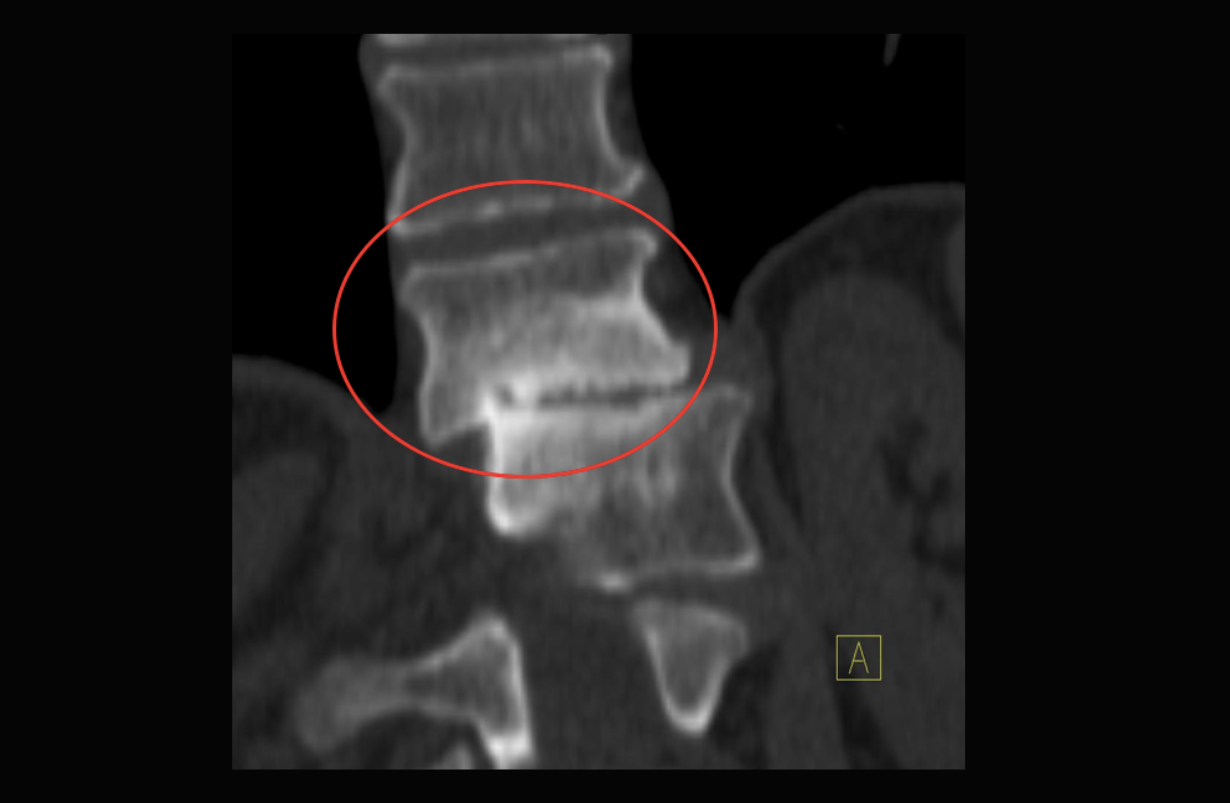
Sideway sliding of one vertebra on the one below it: Grade I - 1-25% Grade II - 25 - 50% Grade III - 50 - 75% Grade IV - 75 -100% BENEFICIAL POSES: For lumbar lateral listhesis: Vasisthasana done only with the downward side as the one to which the vertebra has slipped. For the rare thoracic lateral listhesis: Ardha Chandrasana also done with the side to which the vertebra has slipped positioned downward. EXPLANATION: It is necessary to asymmetrically strengthen the musculature on the convex side of the curve that almost invariably develops around the lateral listhesis to pull the spine back up to straight. This usually corrects the spondylolisthesis as well. It is necessary to do the pose for as long as possible, and do this two or three times a day for 3-9 months to achieve a lasting improvement. REFERENCES: ”Serial Case Reporting Yoga for Idiopathic and Degenerative Scoliosis.” – with Sherman KJ, Groessl EJ. Global Adv Health Med. 2014;3(5):16-21. "Two Isometric Yoga Poses Reduce the Curves in Degenerative and Adolescent Idiopathic Scoliosis." Fishman LM, Groessl EJ, Bernstein P. Topics in Geriatric Rehabilitation. 33(4):231-237, October/December 2017.
Lateral Meniscal Tear
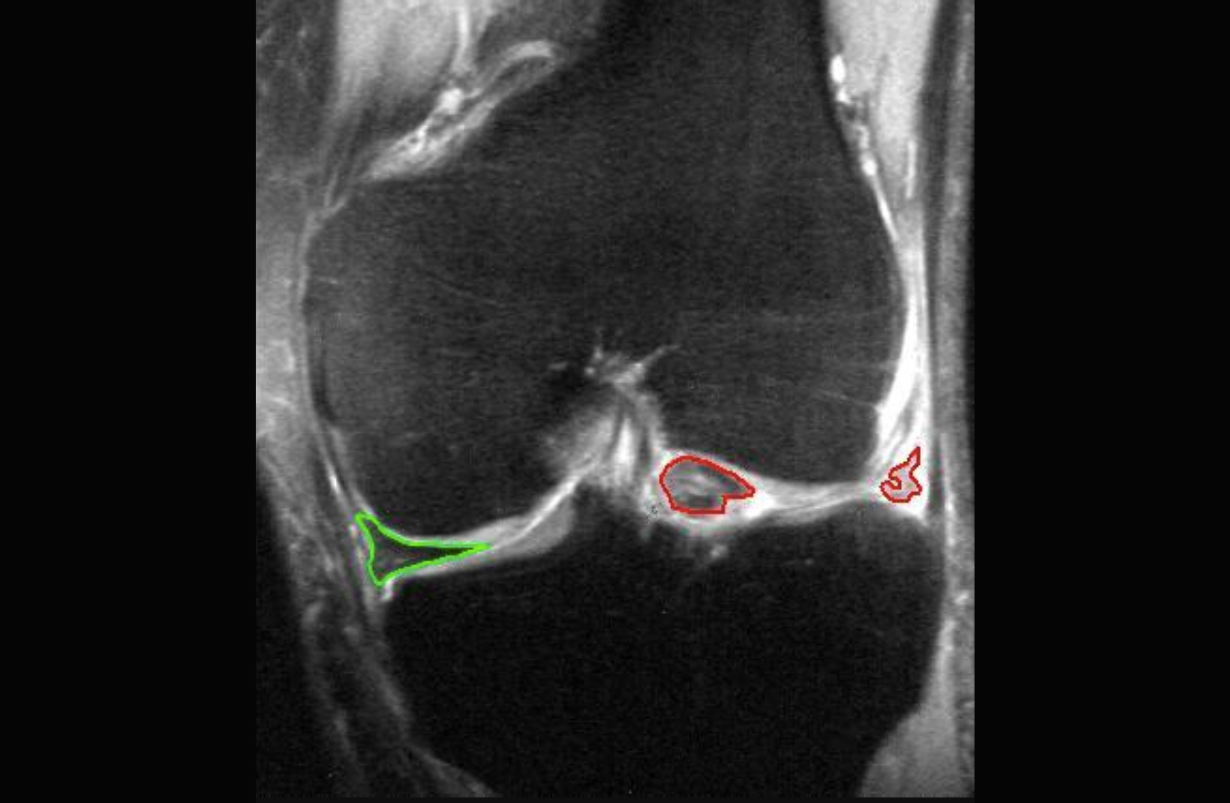
Tear in the outer cartilage of the knee that cushions the femur as it presses down on the tibial plateau, e.g., in walking. This typically occurs with twisting injuries of the knee. For example it could happen to the right knee if the leg were externally rotated, and a player were tackled from the right side. Radiograph from Wikipedia.
Low Back Pain
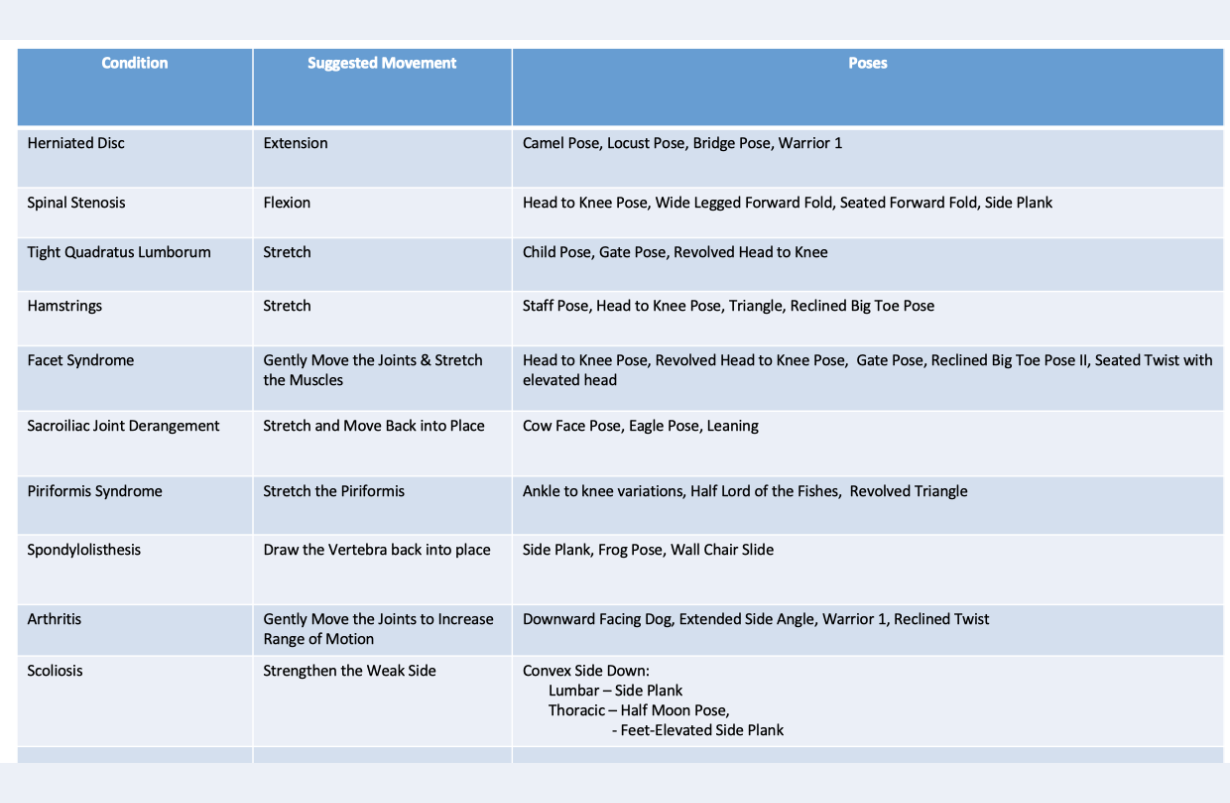
Low back pain is not a diagnosis. It is a symptom. Different conditions can cause the very same symptoms, even though these underlying conditions may have opposite treatments, and what is good for one of these conditions is bad for the other. For example, herniated disc and spinal stenosis may produce exactly the same symptoms: back pain calf tingling and pain going down the back of the leg, but they have diametrically opposite treatments: back bends for herniated disc and forward bends for spinal stenosis. Moreover, back bends usually worsen the pain of spinal stenosis, and forward bends can actually extend a herniated disc, making things permanently worse. There are essentially seven major causes of lower back pain. They fit into three categories: Neurological: Herniated lumbar disc Spinal stenosis Musculoskeletal: Quadratus lumborum spasm Facet syndrome Sacroiiac joint derangement Mixed: Piriformis syndrome Spondylolisthesis The neurological causes produce numbness, tingling, weakness and/or sciatic pain The musculoskeletal have none of these features, but are often painful to the touch. The mixed group have neurological symptoms that are caused by a muscular or skeletal abnormality that affects a nerve or nerve root. More detail is given in the images below.
Low Blood Pressure
DEFINITION: L ow blood pressure is present when the systolic blood pressure is below 90, or the diastolic blood pressure is below 60. The authors found no studies in the medical literature that relate hypotension to yoga.
Lumbar Spinal Stenosis
DEFINITION: Narrowing of the canal the nerve rootlets pass through within the lumbar section of the vertebral column. BENEFICIAL POSES: Dandasana, Balasana, Ardha Baddha Padma Paschimottanasana, Paschimottanasana. EXPLANATION: Forward bending stretches the ligamentum flavum, a structure at the back of the spinal canal that frequently swells and buckles, causing the symptoms and signs of spinal stenosis. By stretching that ligament, these poses thin it, as you would thin a rubber band by stretching it, and also promote its flexibility, so it will not buckle as much. REFERENCE: Chou R1, Qaseem A, Snow V, Casey D, Cross JT Jr, Shekelle P, Owens DK; Clinical Efficacy Assessment Subcommittee of the American College of Physicians; American College of Physicians; American Pain Society Low Back Pain Guidelines Panel. Diagnosis and treatment of low back pain: a joint clinical practice guideline from the American College of Physicians and the American Pain Society. Ann Intern Med. 2007 Oct 2;147(7):478-91.
Macular Degeneration
Wet macular degeneration occurs when a proliferation of blood vessels crowds out the light-sensitive cells in the center of the visual field of one or both eyes. It leads to blindness. Recently, medical injections into the eye are effective in preventing its progression. Dry macular degeneration occurs when there is an ever-diminishing blood supply to the light sensitive cells at the center of the retinae of one or both eyes. It leads slowly to blindness, and unfortunately there is no current remedy. Some people speculate whether headstand and other inverted poses might tend to replenish the blood supply, but currently that has not been tested. A first, cautious step might be to see if long-time head-standing people have a lower incidence of dry AMD than the general population. Animal models might be the next step. It is certainly not safe to try this out at this point, since we are dealing here with irreversible blindness.
Medial Meniscal Tear
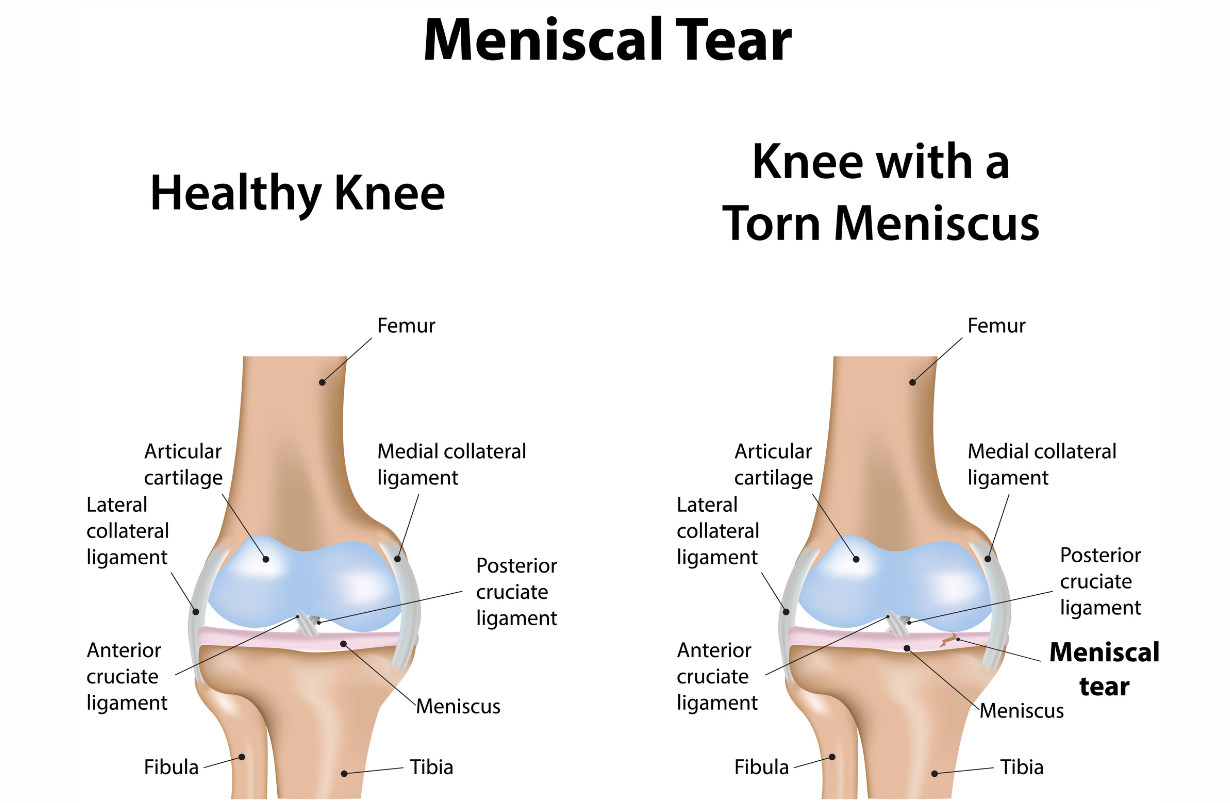
Tear in the inner cartilage of the knee that cushions the femur as it presses down on the tibial plateua, e.g., in walking. BENEFICIAL POSES: Dandasana, Vasisthasana, Paripurna Navasana, Ardha Navasana. EXPLANATION: These poses activate and strengthen the vastus lateralis, the most lateral of the four muscles that form the quadriceps. If it can be made to work more strongly, it will mildly tilt the femoral condyles laterally, away from the medial meniscus, REFERENCE: Kise NJ, Risberg MA, Stensrud S, Ranstam J, Engebretsen L, Roos EM. Exercise therapy versus arthroscopic partial meniscectomy for degenerative meniscal tear in middle aged patients: randomised controlled trial with two year follow-up. BMJ. 2016 Jul 20;354:i3740. doi: 10.1136/bmj.i3740.
Menstruation
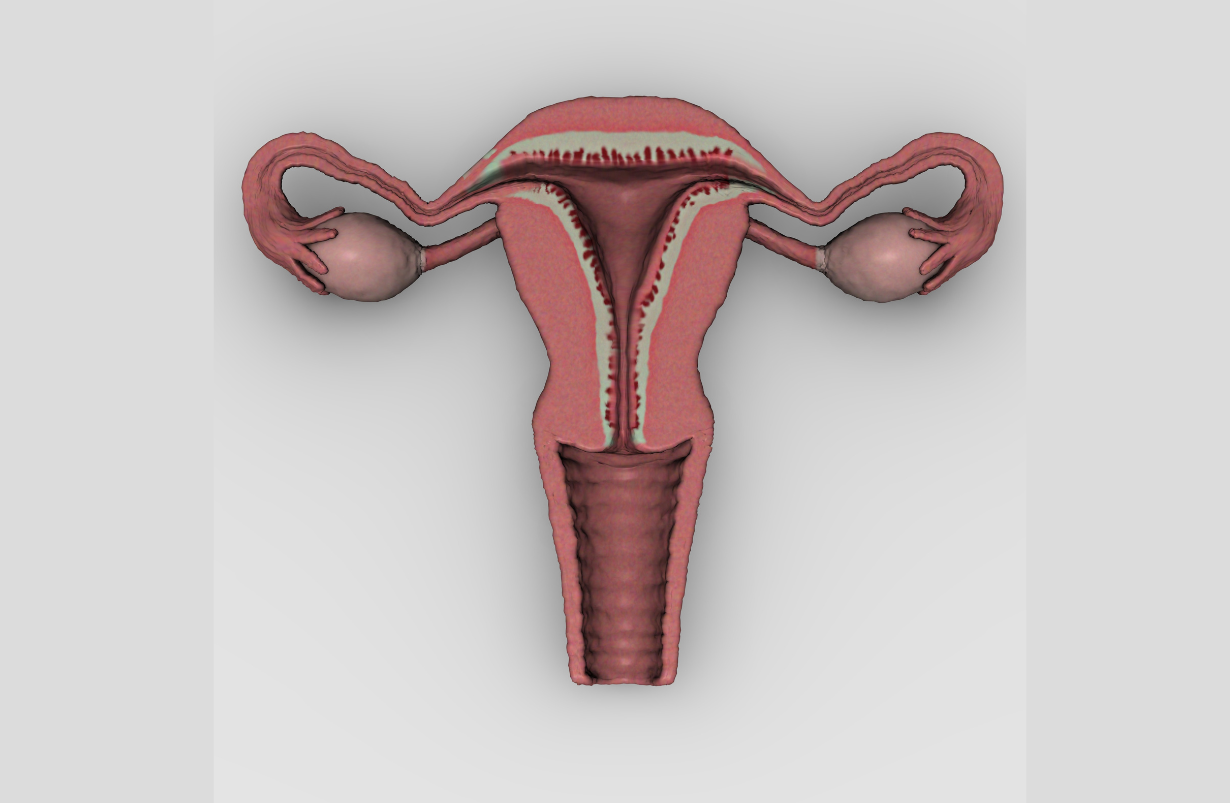
Tissue gathered in the uterus to receive a fertilized egg is sloughed in the process of menstruation if no fertilized egg is present. It is not a medical condition but a normal recurrent episode lasting approximately 4-5 days of each 28 day cycle. However, it is often accompanied by cramps. The poses below are suggested as beneficial for those women suffering menstrual cramps. However, very vigorous exercise is noted to stimulate anti-menstrual hormones and is best avoided during this phase of the ovulatory cycle. BENEFICIAL POSES: Baddha Konasana, Dhanurasana, Utthita Parsvakonasana, Ardha Matsyendrasana I. EXPLANATION: Changes in genital tissue volume and fluid accumulations in the abdominal cavity may produce muscle spasm. These poses stretch most of the muscles that are likely to be involved, an put mild pressure on the abdominal cavity that can prompt reduction in its fluid content. Contraction of ligamentous bands in premenstrual syndrome is well-treated with these poses as well. REFERENCES: O'Leary CB1, Lehman C, Koltun K, Smith-Ryan A, Hackney AC.Response of testosterone to prolonged aerobic exercise during different phases of the menstrual cycle.Eur J Appl Physiol. 2013 Sep;113(9):2419-24. doi: 10.1007/s00421-013-2680-1. Epub 2013 Jun 28. Amanda Daley. The role of exercise in the treatment of menstrual disorders: the evidenceBr J Gen Pract. 2009 Apr 1; 59(561): 241–242.doi: 10.3399/bjgp09X420301 PMCID: PMC2662100PMID: 19341553. Yang NY, Kim SD. Effects of a Yoga Program on Menstrual Cramps and Menstrual Distress in Undergraduate Students with Primary Dysmenorrhea: A Single-Blind, Randomized Controlled Trial. J Altern Complement Med. 2016 Sep;22(9):732-8. doi: 10.1089/acm.2016.0058. Epub 2016 Jun 17.
Multiple Sclerosis
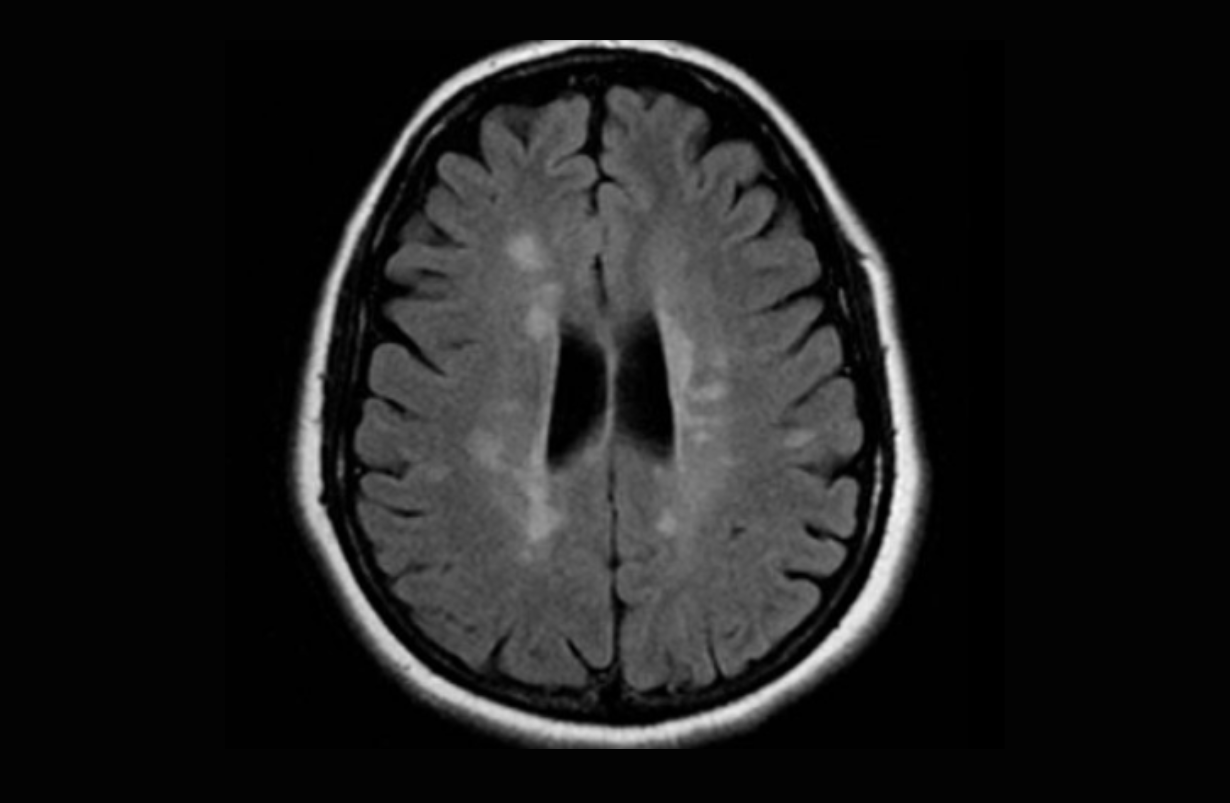
A central nervous system condition in which small plaques appear in the white matter (conducting parts) of the brain and spinal cord, interfering with nerve conduction. Resultant effects may be motor, sensory and/or cognitive/emotional. BENEFICIAL POSES: Restorative yoga. EXPLANATION: There are basically two types of MS: 1. Relapsing and Remitting, in which there are intermittently greater periods of symptoms and signs, followed by periods of relatively less involvement. The remitting phase may leave people more disabled than they need to be, as an advancing army leaves famine in its wake. Yoga can remediate that disability quite well. 2. Progressive, in which there is an irregular but consistent worsening of symptoms and signs. Yoga is shown to be of value in fighting the fatigue that is quite disabling in this form of MS. REFERENCE: "Randomized controlled trial of yoga and exercise in multiple sclerosis. Oken BS, Kishiyama S, Zajdel D, Bourdette D, Carlsen J, Haas M, Hugos C, Kraemer DF, Lawrence J, Mass M. Neurology. 2004 Jun 8;62(11):2058-64. Fishman, L and Small, E. Yoga for Multiple Sclerosis. Demos Medical Publishing, New York 2007.
Nosebleed
Propensity of the nose to hemorrhage, or actual bleeding. The authors found no studies on yoga's benefit in nosebleed, but Jalandhara Bandha might decrease anterior carotid blood flow and thus reduce bleeding and enhance the likelihood of clotting and stopping the hemorrhage. The best practical method seems to be pinching the nostrils together firmly for 5-10 minutes.
one form of COPD
Orthostatic Hypotension
Symptomatic reduction in blood pressure when rising from sitting, e.g., causing fainting or imbalance. BENEFICIAL POSES: Dandasana, Navasana, Tadasana, Vrksasana. EXPLANATION: As infants, when we stand up, our bodies quickly learn to adapt by narrowing the medium-sized blood vessels in our legs, so as not to deprive our brains of blood. As we age, a number of factors can interfere with that adaptation, some remediable through yoga, some not. Neuropathy (neurogenic orthostatic hypotension) , dehydration, and medication (non-neurogenic) are three main causes of orthostatic hypotension, and dizziness and falling are the chief consequences. It is frequently seen in Diabetes and Parkinson’s disease. These poses work by gradually re-instilling the proper responses to our sympathetic and cardiovascular and nervous systems by graded challenges. If they are followed by a general yoga program, graded with respect to vigorousness, people suffering from orthostatic hypotension frequently improve at least somewhat. They must be carefully watched to anticipate and prevent falls. For example, Vrksasana must be done against a wall, with a chair at hand for support REFERENCES: Kanjwal K, George A, Figueredo VM, Grubb BP, Orthostatic hypotension: definition, diagnosis and management..J Cardiovasc Med (Hagerstown). 2015 Feb;16(2):75-81. doi: 10.2459/01.JCM.0000446386.01100.35. Orimo S, Ghebremedhin E, Gelpi E Peripheral and central autonomic nervous system: does the sympathetic or parasympathetic nervous system bear the brunt of the pathology during the course of sporadic PD? Cell Tissue Res. 2018 Jul;373(1):267-286. doi: 10.1007/s00441-018-2851-9. Epub 2018 Jun 4.
Osteoporosis
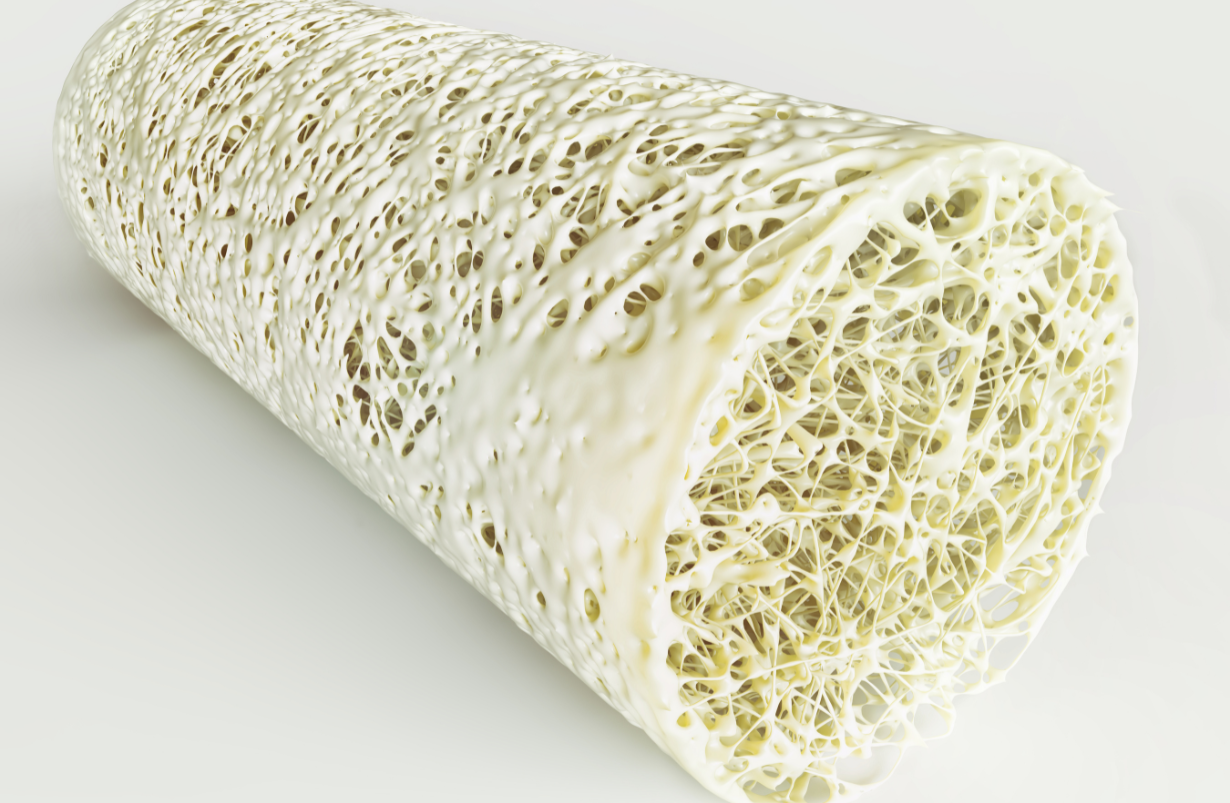
Reduction of bone mineral density below the level found in 99% of healthy 25 - 30 year old women. BENEFICIAL POSES: The most successful efforts so far use Vriksasana, Trikonasana, Parsvakonasana, Virabhadrasana II, Parivrtta Trikonasana, Salabhasana, Setu Bandhasana, Marichyasana III, Matsyendrasana, and Supta Padangusthasana I and II. EXPLANATION: Wolff's law states that "the architectonic of a bone follows the lines of force to which that bone is exposed." Yoga imposes far greater forces than gravity, since muscles that easily oppose gravity when we move are often pitted against one another in yoga, vastly exceeding gravity's pull on those bones. Therefore yoga successfully reverses osteoporosis. The poses should be held for at least 30 seconds. EVIDENCE: Lu, Y-H, Rosner, B, Chang, G, PhD; Fishman, L. “Twelve-Minute Daily Yoga Regimen Reverses Osteoporotic Bone Loss.” Topics in Geriatric Rehabilitation: April/June 2016 - Volume 32 - Issue 2 - p 81–87. Julius Wolff. "The law of bone transformation." A. Hirschwald, Berlin; 1892.
Piriformis Syndrome
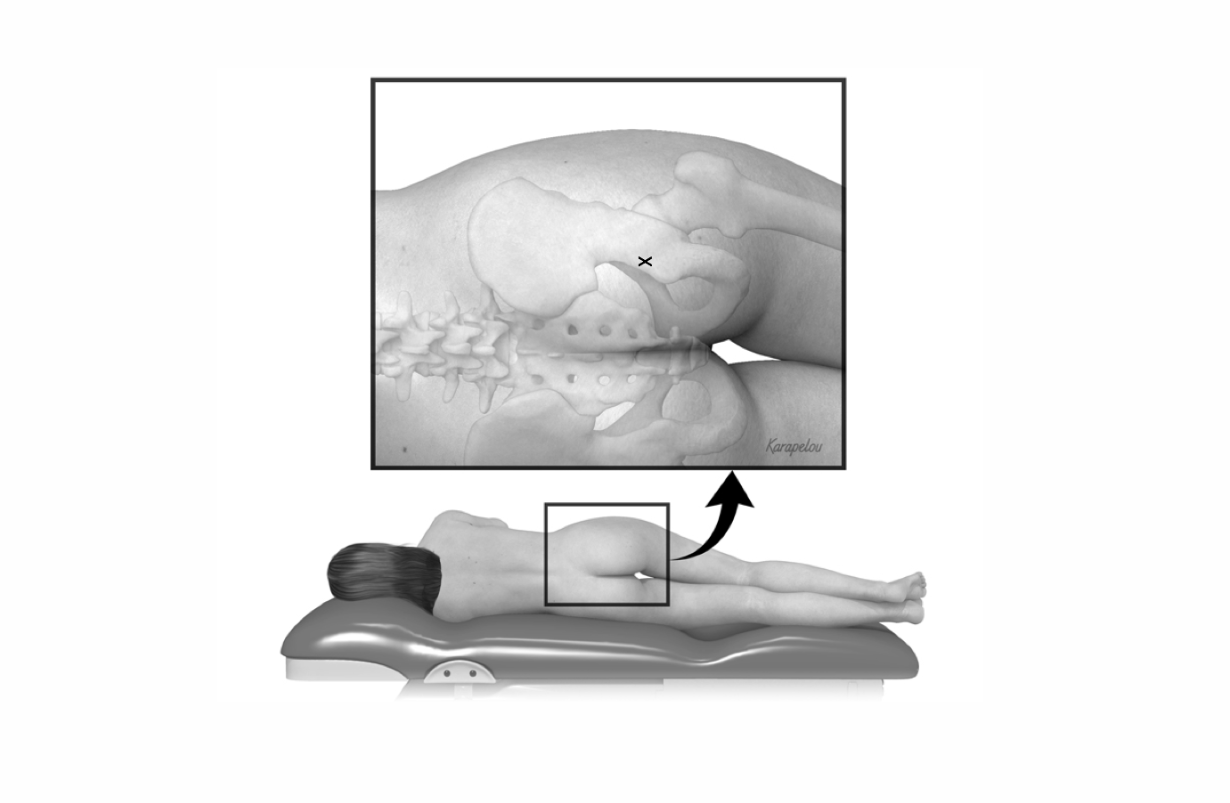
DEFINITION: Entrapment of the sciatic nerve by the piriformis muscle in the buttock. BENEFICIAL POSES: Matsyendrasana, Parivrtta Trikonasana, Parivrtta Parsvakonasana. EXPLANATION: These poses stretch the piriformis muscle at various angles, which both increases its length, thereby reducing the compression on the sciatic nerve that passes just beneath it, but also reducing spasm (involuntary tightening) in the muscle. Done mindfully, these poses also increase a person's ability to control the muscle. The first REFERENCE: Fishman LM, Wilkins AN, Rosner B.Electrophysiologically identified piriformis syndrome is successfully treated with incobotulinum toxin a and physical therapy. Muscle Nerve. 2017 Aug;56(2):258-263. doi: 10.1002/mus.25504. Epub 2017 Apr 2. For fuller description of the syndrome and its treatment, see "Healing Yoga," L.M. Fishman, W.W.Norton.
Plantar Fasciitis
Structural breakdown or inflammation of the long fascia connecting the front of the heel with the toes. This fascia helps maintain the longitudinal arch of the foot. BENEFICIAL POSES: Trianga Mukhaikapada Paschimottanasana, Janu Sirsasana, Virasana EXPLANATION: The plantar fascia holds the arch of the foot the way a bowstring maintains the curvature of a bow. It tears with excessive or over-repetitive force, and runners get this at Marathon training time. Another very common cause occurs when flexors and extensors of the foot are active simultaneously (and dysfunctionally), usually when both groups are dyscoordinated. It is as though someone held the ends of a bow and tried to reverse its curve, and thereby frays the bowstring. Yoga works through intensive and discrete flexion (Trianga Mukhaikapada Paschimottanasana, Virasana) and dorsiflexion (Janu Sirsasana), which serve to combat the doubled tightness and spasm that is the cause and perpetuator of plantar fasciitis. Once the spasm and mutual antagonism of the flexors and extensors is ended, the plantar fascia will heal by itself within a week or so. REFERENCE: Huang HH, Qureshi AA, Biundo JJ Jr.Sports and other soft tissue injuries, tendinitis, bursitis, and occupation-related syndromes. Curr Opin Rheumatol. 2000 Mar;12(2):150-4.
Post Traumatic Stress Syndrome
Alteration of state of mind due to sudden or chronic trauma, usually involving difficulty concentrating, flashbacks, nightmares, irritability, emotional lability, confusion, unadjustment disorder, and often hypervigilance, insomnia and depression. The risk of suicide and self-harm is significantly raised.
Posterior Cruciate Ligament Tear
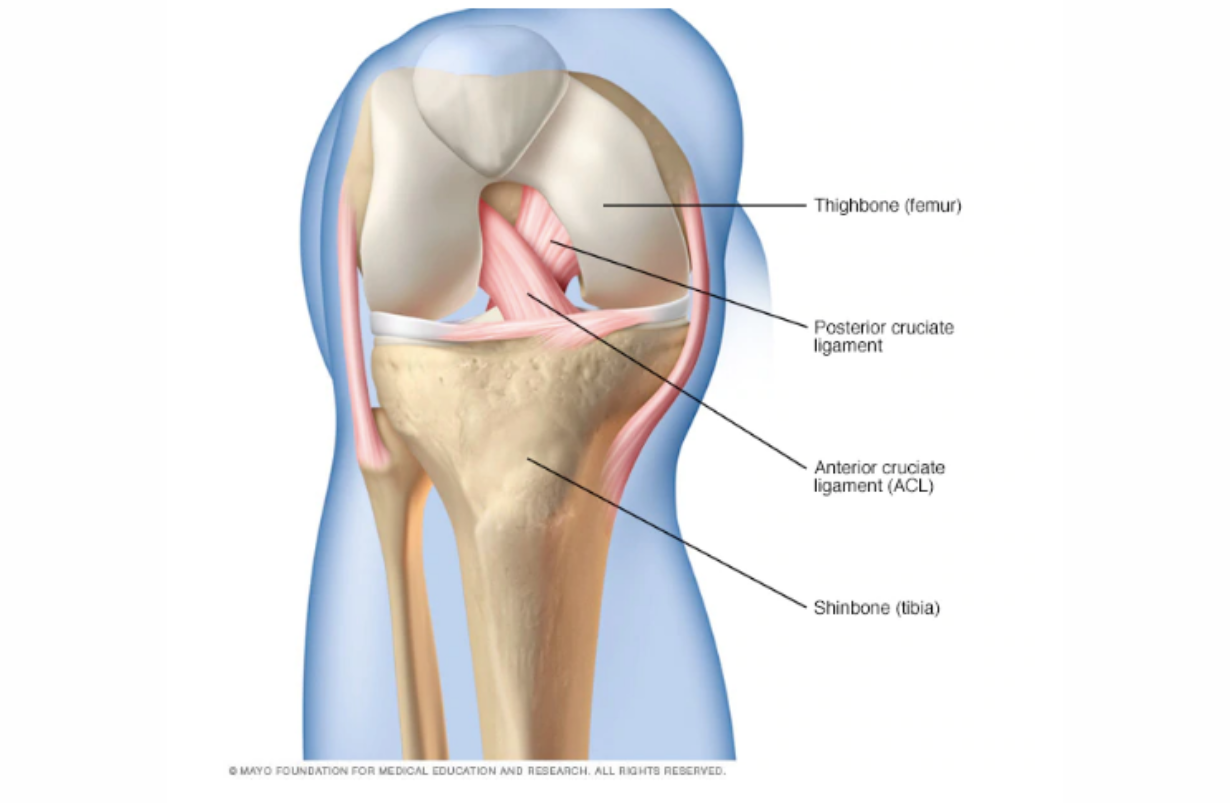
The posterior cruciate ligament goes from the front of the femur to the back of the tibial plateau, keeping the shin from sliding backwards. Injury often results in hyperextending the knee. BENEFICIAL POSES: Heel Sliding (see video), Janu Sirsasana, Supta Padangusthasana, Ardha Navasana, (later) Utkatasana. EXPLANATION: This uncommon injury occurs when the tibia is forced backwards, and therefore may be caused by a low tackle from the front or a fall. Treatment of most injuries is conservative: iNCREASING range of motion at the hip early, to take strain off of the knee, and strengthening later. Heel sliding maintains range of motion and coordinates ankle and hip motion with that of the knee. Strong hamstrings and quadriceps protect the healing ligament from further injury. These poses do exactly that, and should begin soon after the injury to avoid restricted range of motion later. Reference: Pierce CM1, O'Brien L, Griffin LW, Laprade RF. Posterior cruciate ligament tears: functional and postoperative rehabilitation.Knee Surg Sports Traumatol Arthrosc. 2013 May;21(5):1071-84. doi: 10.1007/s00167-012-1970-1. Epub 2012 Apr 8.
Posterior Total Hip Replacement
Surgical insertion of metal and plastic artificial joint in which the incision is made in the back of the hip. Gluteal and piriformis muscles are cut; recovery is slower. Give the surgery three months to heal. The basic restrictions are on flexion, adduction and internal rotation, which can be remembered as "FAIR." These limitations will continue for all of life, although some increase of each of these ranges is possible: mild to moderate flexion (enough to sit comfortably) and some adduction (not quite up to the full Gomukhasana or Garudasana), and some adduction (caution re: Ardha Matsyendrasana III or Marichyasana). Full Paschimottanasana should be approached very carefully and slowly, and in some cases leads to malfunctioning of the prosthetic hip, even requiring replacement of it.
Pregnancy (second and third trimesters)
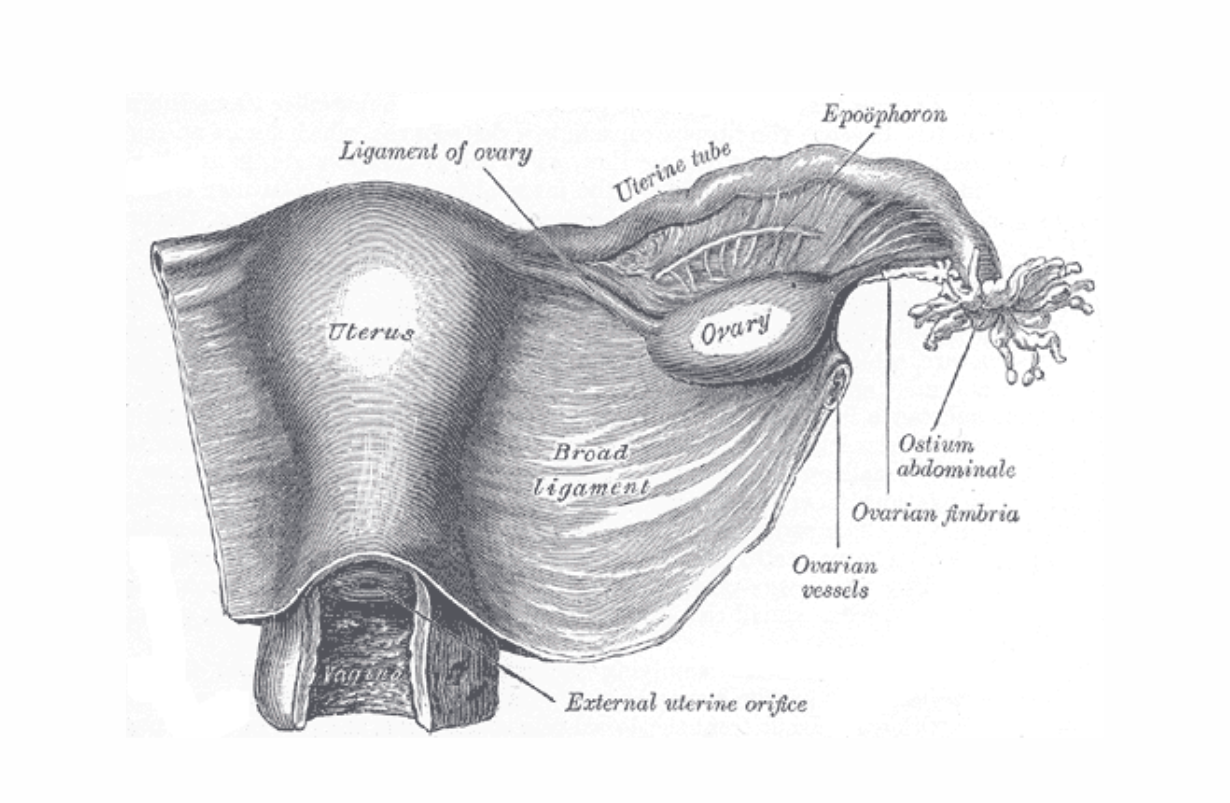
Usually divided into three month trimesters. These contraindications apply only in the second and third trimesters, when the placenta is larger. One of the chief worries is that twisting will separate some of the placental tissue from the uterus. BENEFICIAL POSES: Upavista Konasana, Baddha Konasana, Gomukhasana, Garudasana, Leaning. EXPLANATION: The uterus is held in place by six paired ligaments, the uterosacral, the cardinal, broad, round, ovarial, and indirectly, the ovarian suspension ligaments. Twists tighten one of each ligament pair, asymmetrically tugging the gravid uterus to one side, producing shearing forces that may dislodge some or all of the placenta. However, symmetrical poses of moderate intensity that elongate and promote control of adductors, such as Upavista Konasana and Baddha Konasana are recommended. Toward the middle of pregnancy, the placenta begins to secrete the hormone relaxin, which, as the name suggests, relaxes many ligaments, allowing the uterus to grow exponentially and the young one to exit the birth canal. At this point the mother begins to carry a good deal of weight in her abdomen, and puts significant and unfamiliar strain on the sacroiliac joints, the ligaments of which are now too flexible to resist the extra stress. Sacroiliac joint derangement is countered by the series Gomukhasana, Garudasana, and 'Leaning,' the latter pictured in the video below. REFERENCES: Jiang Q, Wu Z, Zhou L, Dunlop J, Chen P. Effects of yoga intervention during pregnancy: a review for current status.Am J Perinatol. 2015 May;32(6):503-14. doi: 10.1055/s-0034-1396701. Epub 2014 Dec 23. Martins RF, Pinto e Silva JL.Treatment of pregnancy-related lumbar and pelvic girdle pain by the yoga method: a randomized controlled study. J Altern Complement Med. 2014 Jan;20(1):24-31. doi: 10.1089/acm.2012.0715. Epub 2013 Mar 18. Fishman, LM. "Healing Yoga - Proven postures to treat twenty common ailments." W.W. Norton and Co. New York: 2014.
Quadratus Lumborum Spasm
DEFINITION: Involuntary prolonged and painful tightening of the large rectangular muscles extending from the lowest ribs to the iliac crests on either side of the spinal cord. BENEFICIAL POSES: Janu Sirsasana, Ardha BaddhaPadma Paschimottanasana, Paschimottanasana EXPLANATION: Prolonged stretching of these muscles will usually end the spasm. Janu Sirsasana and Ardha Padma Paschimottanasana stretch the muscles one at a time. In severe cases, where stretching both muscles is just too painful, this "divide and conquer" strategy is often successful. REFERENCES: Although the authors found no studies specifically on spasm in th quadratus lumborum, an investigation on spasm in another muscle, the temporalis muscle, was positive. Bhatia R, Dureja GP, Tripathi M, Bhattacharjee M, Bijlani RL, Mathur R. Role of temporalis muscle over activity in chronic tension type headache: effect of yoga based management.Indian J Physiol Pharmacol. 2007 Oct-Dec;51(4):333-44. Since the temporalis muscle is barely involved in most yoga, it seems even more likely that yoga can reduce spasm in the quadratus lumborum. Dr. Loren Fishman's medical practice confirms that these methods have been helpful for many patients.
Restless Legs Syndrome
DEFINITION:Usually occurring when a person is lying down, restless leg syndrome causes a buzzing, vibrating sensation in one or occasionally both legs, that almost irresistibly causes the person to move his or her leg. At that point the buzzing stops, only to begin again in 10 - 15 seconds. It may go on for hours. It is also known as Willis-Ekbom Disease. BENEFICIAL POSES AND EXPLANATION:The yoga cure is to recognize that the desire to move the leg(s), like all desires, comes in strengthening waves for a time, then levels off, and then declines in waves until it is gone. Training oneself to gradually withstand more and more the almost irresistible urge to move ones legs to relieve the buzzing may take a few days: just lying there. At first just resist the first wave, then, when you've mastered that, resist the first two. In a matter of minutes, hours or days you will be able to remain still and observe the entire growth and decline in intensity until the waves are gone. Simply abstaining from moving the legs, which is not easy, but does not hurt, one will watch the waves grow and grow, then level off, and then resolve. Just watching them motionlessly for one or two times is sufficient to cure the syndrome for years. Should it return, simply repeat this process. The pathway for restless leg syndrome seems to involve the same neurological circuitry as the placebo effect. There may be an explanation of why this treatment works that makes use of this fact. Please see the video below. Evidence: 1. For the pathway: Ondo WG, Hossain MM, Gordon MF, Reess J.Predictors of placebo response in restless legs syndrome studies. Neurology. 2013 Jul 9;81(2):193-4. doi: 10.1212/WNL.0b013e31829a33bd. Epub 2013 Jun 7. 2. For the cure: Loren Fishman. "Healing Yoga." W.W. Norton, 2015. Pp.213-215.
Retinal Tear
"The retina is the light-sensitive part of the eye. When it becomes detached it may lose its function, causing blindness. RETINAL DETACHMENT is a medical emergency. Symptoms: Increase in ""floaters"" or small spots and dull regions of the field of vision. Increase in ""flashes"" or bright streaks or spots that appear in the field of vision. There is usually no pain. RETINAL TEARS and detachment are frequently treated by laser surgery that tacks down the retina again. In that case it takes 3-5 days before things settle down, 8-10 days before a secure scar has formed, and within 3-4 weeks, people may return to their usual activities. There are other treatments also, such as cryopexy to reattach the retina through tiny scars that unite the retina and the underlying tissue. Operatively a scleral buckle or vitrectomy (surgically opening the eye) and injecting gas to press the retina backward are sometimes necessary. Resumption of yoga can be sooner after laser than the other procedures, but should always follow the opthalmologist's advice, and await permission. People with untreated retinal tears should stay away from poses that might increase it by moving the eyes in unfavorable ways, such as the Lion, and avoid changes in intraocular pressure in headstand, handstand and even shoulder stand, the plow, and extreme backbends such as Urdhva Dhanurasana. After normal recovery from surgery, there is no question that people can return to all of these poses, but that recovery must be judged and confirmed by the ophthalmologist. There are three causes of RETINAL DETACHMENT: 1. Rhegmatogenous: a tear or break that permits fluid to enter under the retinal pigment epithelium. This is the most common. 2. Tractional: a scar pulls on the retina. (less common) 3. Exudative: fluid forms under the retina, separating it from its base. In this case there are no tears; the cause is usually ophthalmological disease. No BENEFICIAL POSES have been identified. EXPLANATION: People with RETINAL DETACHMENT are at risk of blindness and should seek ophthalmological help at once. "
Retrolisthesis
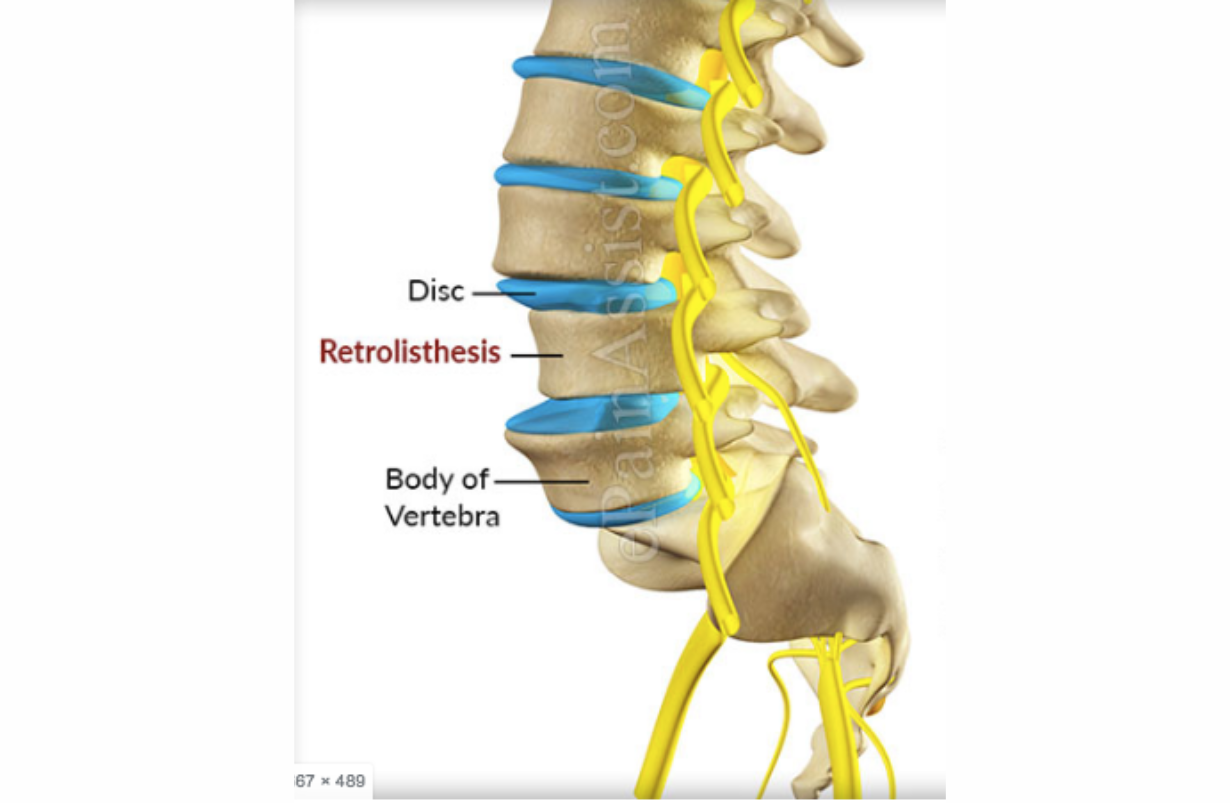
DEFINITION: Backward sliding of one vertebra relative to the one below it: Grade I - 1-25% Grade II - 25 - 50% Grade III - 50 - 75% Grade IV - 75 -100% BENEFICIAL POSES: Salabhasana, Dhanurasana, Eka Pada Viparita Dandasana, Paripurna Navasana, Ardha Navasana, Parsvottanasana. EXPLANATION: Contraction of back muscles has two effects: arching the back, which 1. Exerts gentle forward pressure on the vertebra that has slid backward , and 2. opens the front of the vertebrae, giving room for the backward placed vertebra to slide forward.. Doing these extension poses facing downward further engages gravitational forces to move the errant vertebra forward and back in line with those above and below it. After these three intensely extending poses, it is wise to conclude with Dandasana, Paripurna Navasana, Parsvottanasana. REFERENCE: The authors found no studies of yoga for retrolisthesis, or spondylolisthesis in general, but these poses are recommended by Loren Fishman, MD on the basis of decades of clinical experience.
Rheumatoid Arthritis
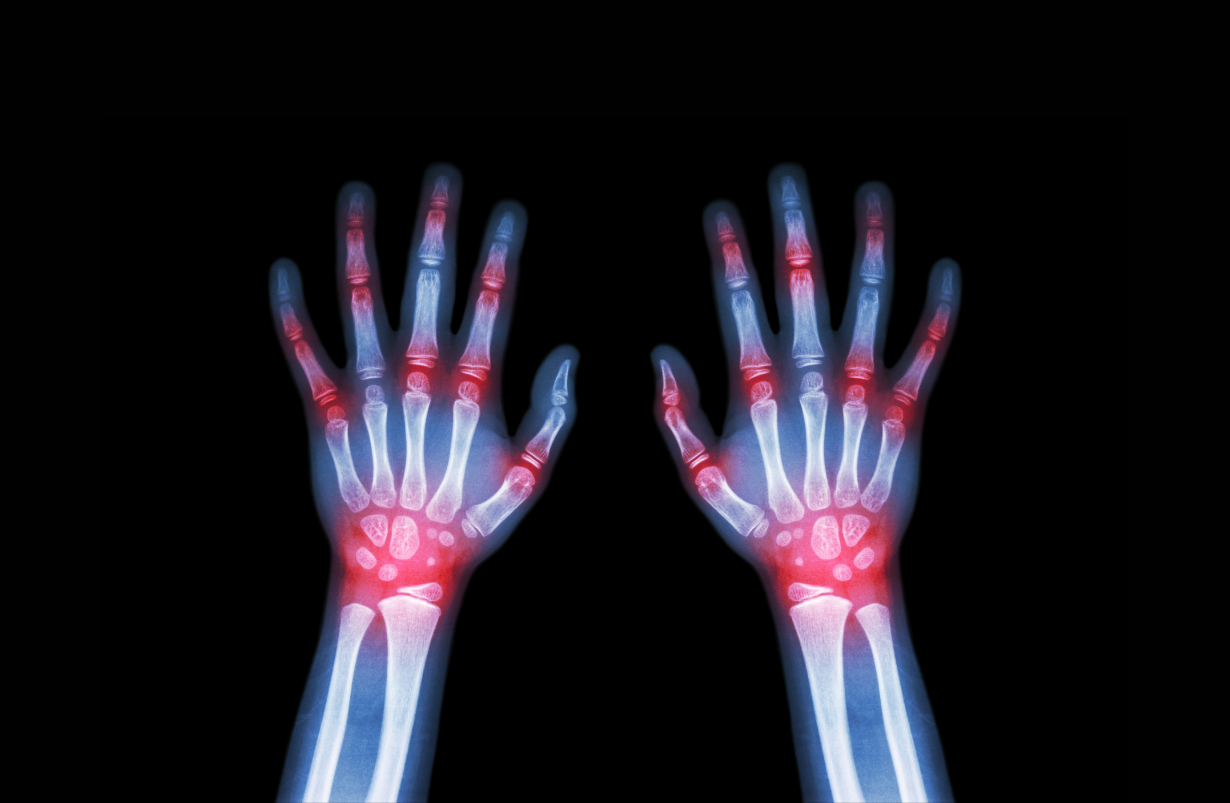
An autoimmune inflammatory condition swelling, tightening and misshaping joints typically those of the hands and feet more than others, but any joint may be affected. General yoga practice has been found helpful in reducing inflammatory markers and lifting depression when yoga is used along with traditional medical and physical treatments. .
Rib Fracture
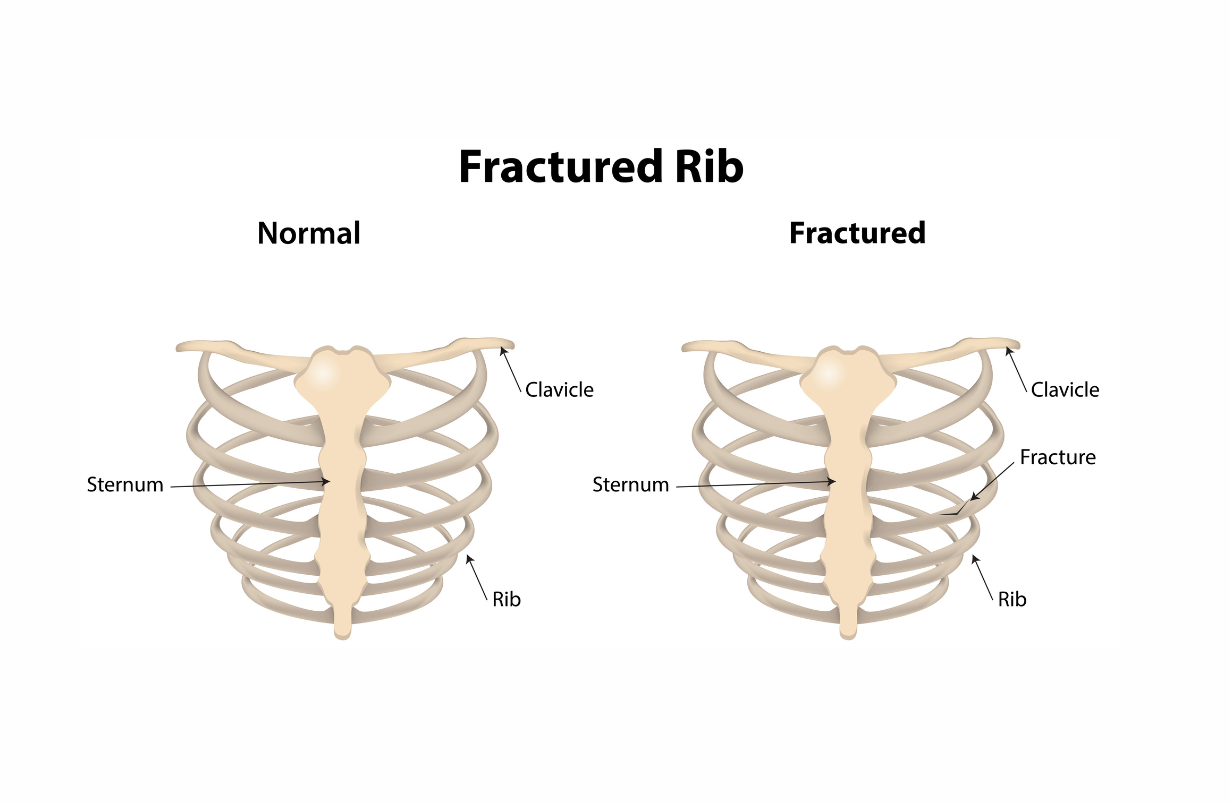
Ribs can fracture from falls, and in osteoporosis, from coughing or sneezing. Generally pain is severe, worsened by breathing, talking and (yes) laughter. X-rays are the definitive means of diagnosis, and often it takes 10 days to two weeks after the actual fracture for it to show up on X-ray films, because demineralization must take place. Very severe fractures, where the fragments of bone are at different angles, and there is danger to the internal organs because of their sharp edges will show up at once, Contraindications: Just about every yoga pose can be painful in the presence of a fractured rib. Twists, forward bends, back bends and even inversions can be tried, very cautiously. Treatment for all but these serious fractures is conservative: If it hurts, don't do it. Occasionally binding the chest is used to reduce pain. Severe fractures might require surgery. The pain gradually subsides and is generally gone in 6-8 weeks.
Rotator Cuff Syndrome
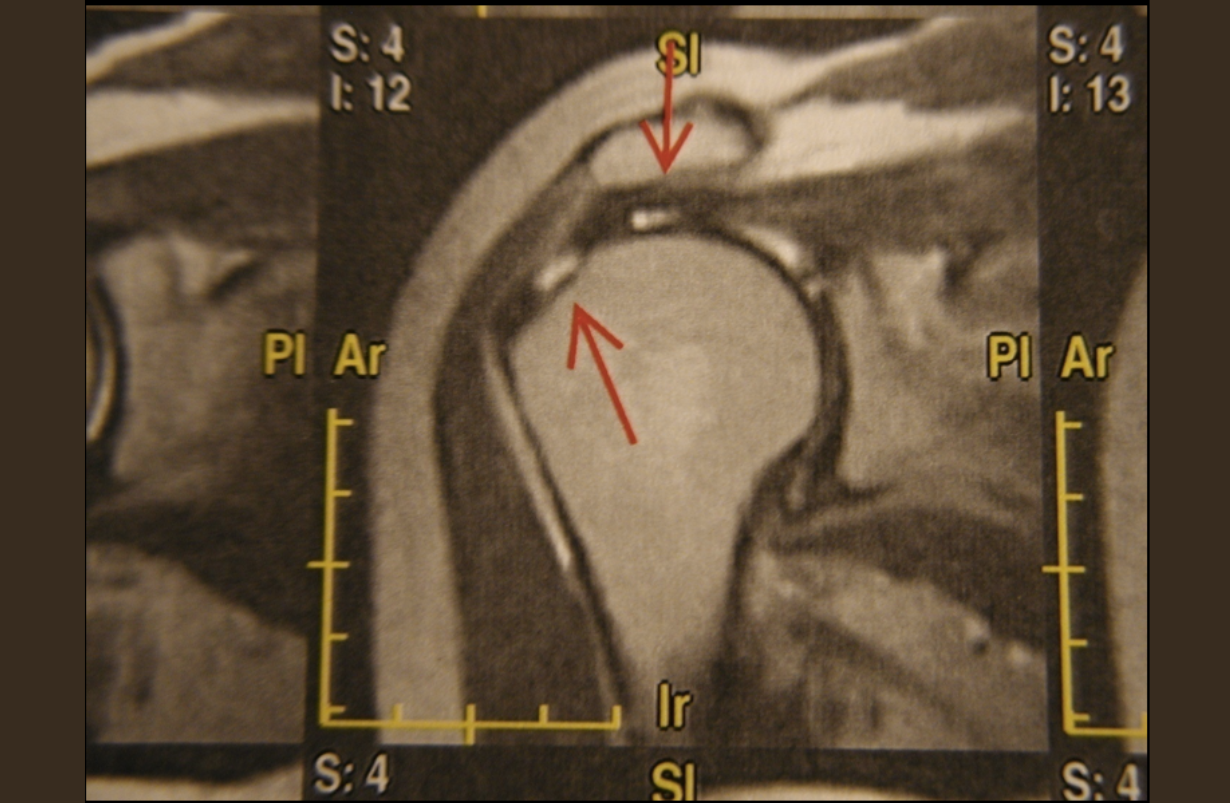
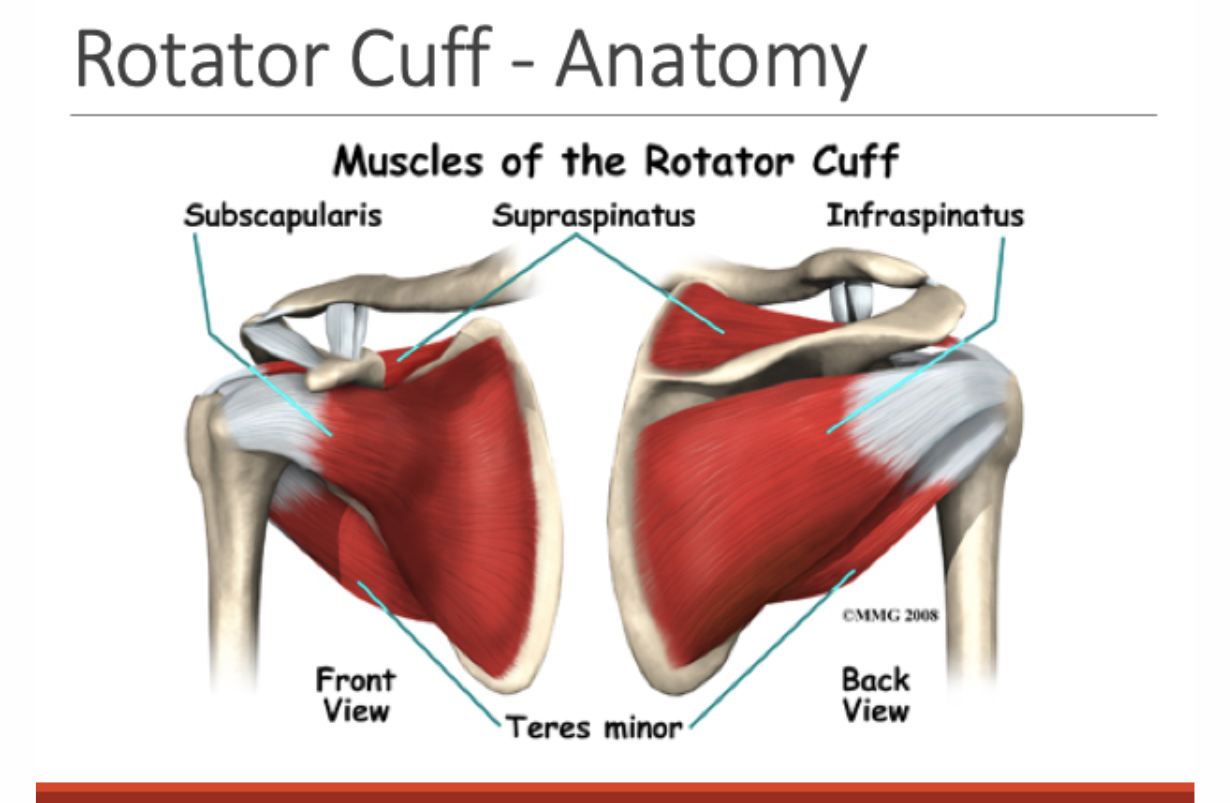
DEFINITION: Tear or total break in one or more shoulder muscles, the supraspinatus, infraspinatus, subscapularis or teres minor. More than 90% of the time it is the supraspinatus. BENEFICIAL POSES: Iyengar Headstand (with shoulders elevated) and variations lifting shoulders while inverted with thighs supported on a chair, or triangular forearm support done in tilted standing position with forearms against the wall toward which one is tilted. TECHNIQUE: After staying in one of the positions with shoulders drawn away from the ears and supraspinatus unengaged for 45 seconds, one must quickly stand up and then bravely and fearlessly abduct the arms rapidly to overhead at least twice, and flex the shoulders, bringing the arms in front and overhead at least twice in rapid succession. This requires courage because these are exactly the movements that were painful just a minute before. See video below. EXPLANATION: Holding the shoulders aloft while inverted activates the subscapularis, which can work to elevate the arm (when standing up) by pulling the head of the humerus down while the deltoid holds the first part of the bone steady. This raises the shaft the way a cantilever bridge, or "teeter-tauter" works. The deltoid acts as a fulcrum, holding the first part of the humerus steady while the subscapularis pulls the head of the bone down. This raises the shaft of the humerus up. Once learned, possibly by a mechanism similar to operant conditioning, the person keeps using this painless, effective way of lifting the arm, which supplants the painful, ineffective use of the torn supraspinatus. People have been followed for more than 15 years and remain with full active painless range of motion although the supraspinatus muscle may not heal. REFERENCE: Fishman LM.. “Headstand in the treatment of rotator cuff syndrome – Sirsasana or surgery. Journal of the International Association of Yoga Therapists. (16): October 2006. 137-45.
Sciatica
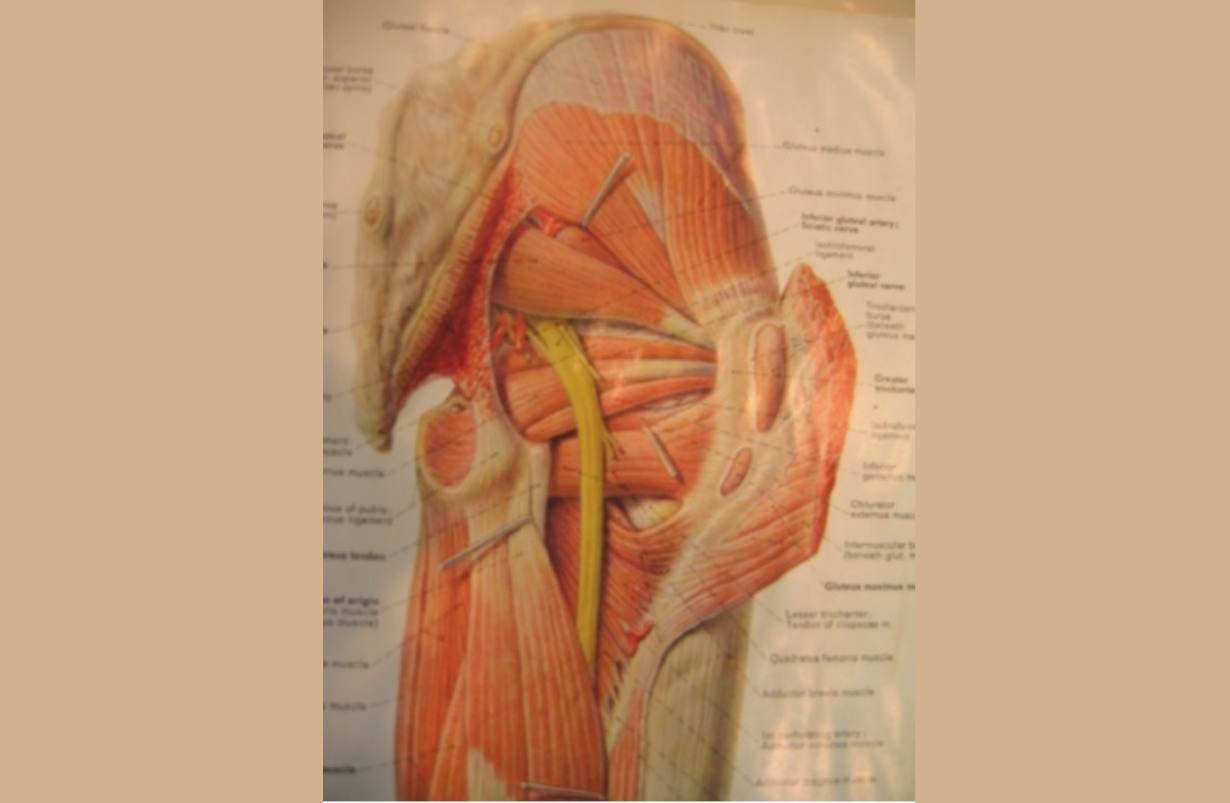
DEFINITION: Pain that travels down either or both legs along the course of the sciatic nerve: Through the mid-buttock to the posterior thigh and then down the posterior, lateral or medial side of the calf or shin to the foot. It may skip a region, e.g., appearing in the buttock and calf, but not the thigh. Sciatica is often accompanied by sensory changes such as tingling, a tight feeling of the skin, numbness, and sometimes by weakness in muscles of the leg or foot. BENEFICIAL POSES: Sciatica is a symptom, not a medical condition or disease. It must be treated according to the cause: Herniated Lumbar Disc, Spinal Stenosis, Piriformis Syndrome, Facet Syndrome, Spondylolisthesis, and Spinal Compression Fracture are the principal causes, listed here by the frequency with which they cause sciatica; the yoga approach to each of these conditions can be found in this database once the cause of sciatica is established. That may require medical consultation, or just a good history and physical. EXPLANATION: True sciatica has a neurological cause, and must be treated according to that cause: The same poses that are helpful for e.g., herniated disc may be harmful in spinal stenosis. Therefore proper treatement can only follow diagnosis: proper treatment focuses on the underlying cause. Please seen entries under Herniated Lumbar Disc, Spinal Stenosis, Facet Syndrome, , Spondylolisthesis (anterior and posterior), Spinal Compression Fracture, Scoliosis, and Piriformis Syndrome.
Scoliosis
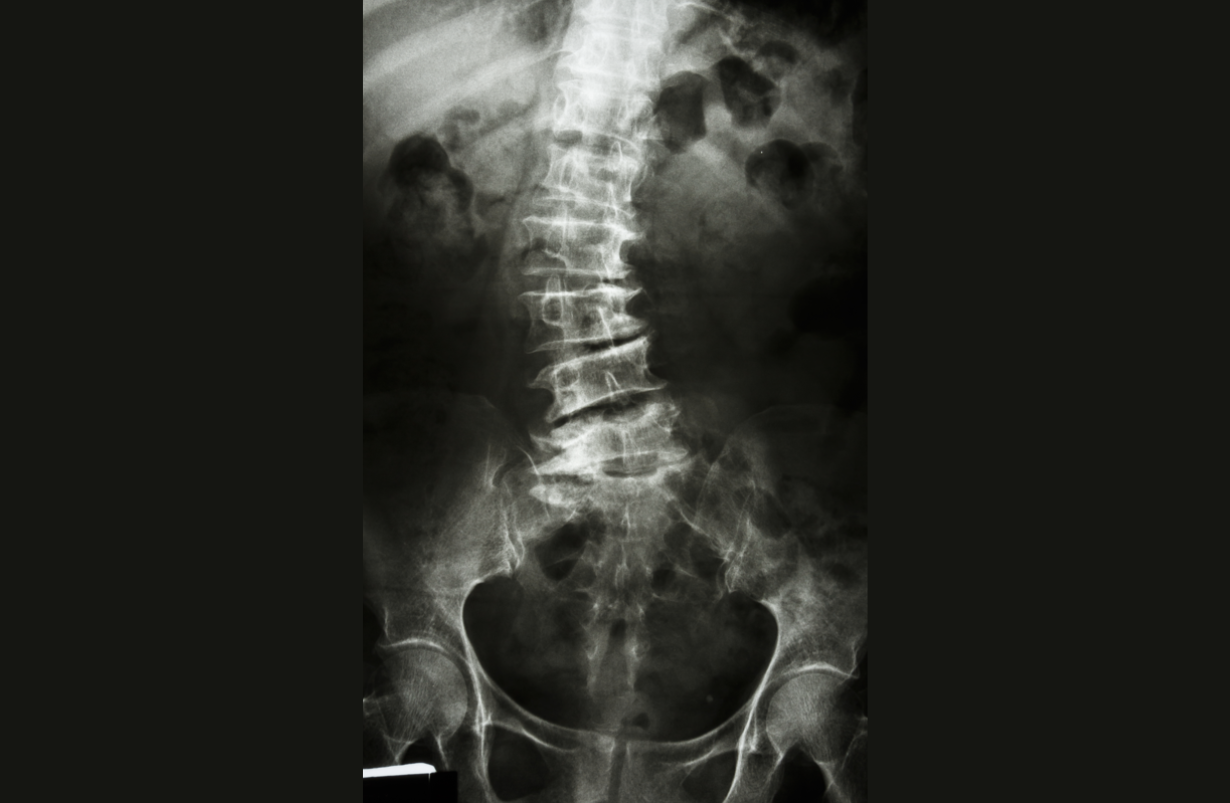
DEFINITION: Lateral curvature of the spine beyond 10 degrees. BENEFICIAL POSES: Vasisthasana, Elevated feet Vasisthasana, Ardha Chandrasana with belt. EXPLANATION: Lumbar scoliosis may be corrected by strengthening the muscles on the convex side of the lumbar curve with Vasisthasana. If there is also a thoracic curve, then Vasisthasana with feet elevated on a chair and/or Ardha Chandrasana must be used as well, again with the convex (thoracic) side down.The poses should be held for as long as possible and done at least one time every day (convex side downward). It is often quite difficult to determine the size and even the shape of scoliotic curves without an X-ray. Also pictured is whatthe spine looks like after Harrington Rod surgury. REFERENCE: Fishman, LM, Sherman KJ, Groessl EJ ”Serial Case Reporting Yoga for Idiopathic and Degenerative Scoliosis.” –. Global Adv Health Med. 2014;3(5):16-21. Fishman LM, Groessl EJ, Bernstein P. Two Isometric Yoga Poses Reduce the Curves in Degenerative and Adolescent Idiopathic Scoliosis. Topics in Geriatric Rehabilitation. 33(4):231-237, October/December 2017.
Shoulder Impingement
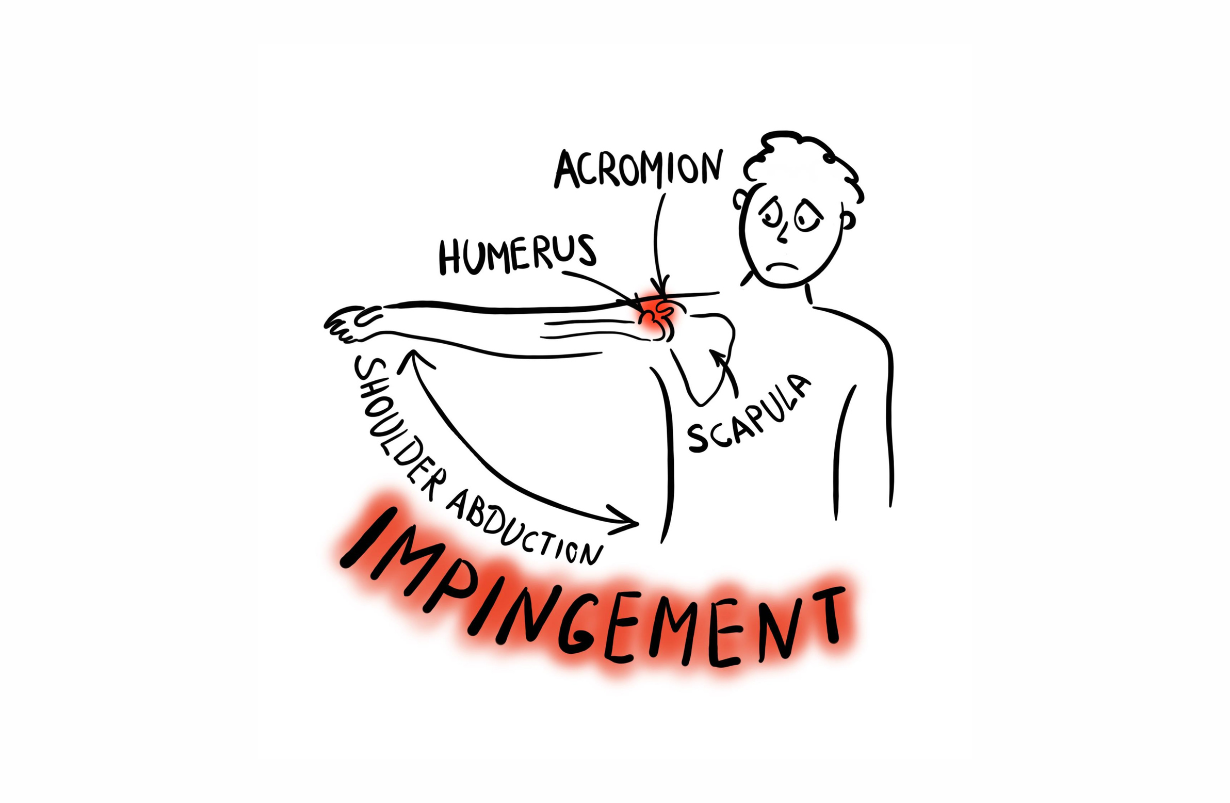
Non-physiological and painful contact between the humerus (arm bone) and the acromion (highest and most lateral part of the scapula or shoulder blade) that restricts abduction and flexion of the arm. It is generally due to extra bone formation on the lower surface of the acromion which intersects the humerus at 140 -150 degrees, instead of allowing it to abduct and flex closer to 170 - 180 degrees.
SI Derangement, Sacroiliac Joint Derangement
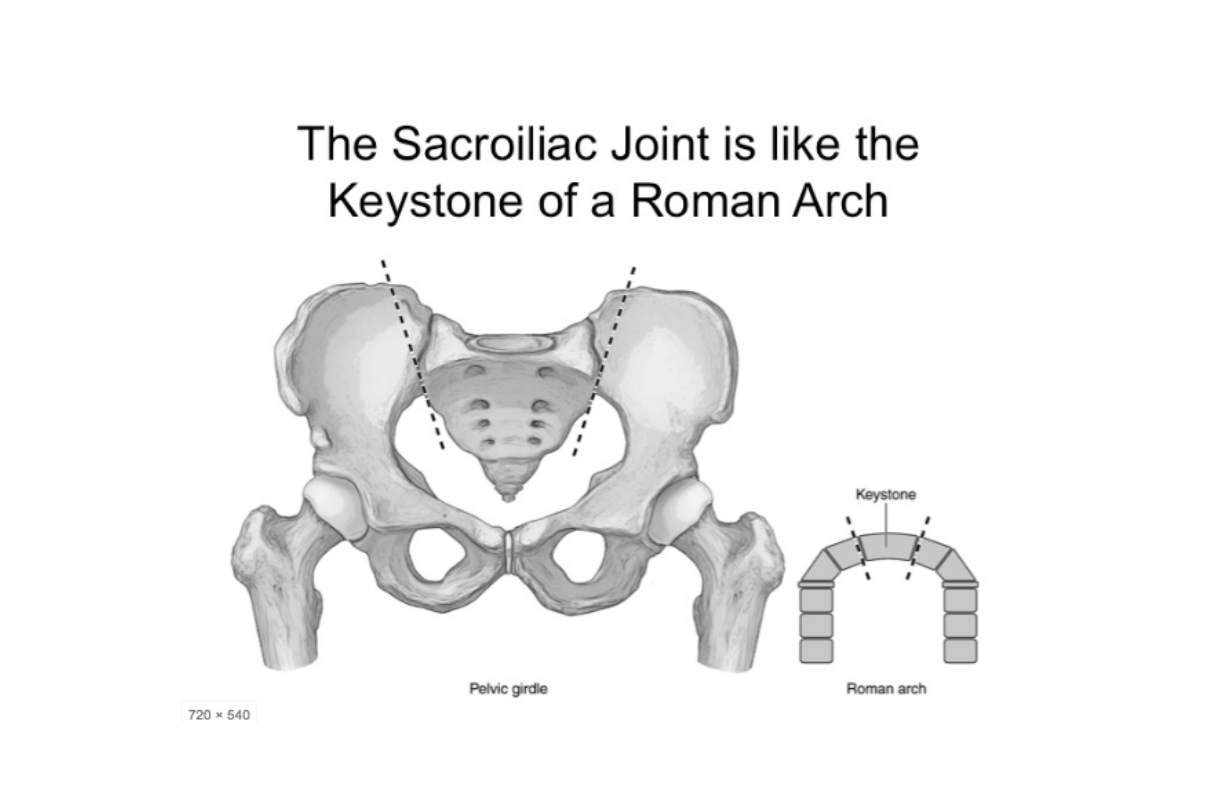
DEFINITION: Misalignment of the joints between the sacrum and the right and left iliac bones. To test for it, stand behind the subject, placing your thumbs on the posterior superior iliac spines (PSIS). As the person moves forward, one thumb will often move up further than the other. Usually the painful side is the one that does not move, but this is not always the case. Generally derangement occurs as a movement of the sacrum along a diagonal axis, from the upper right corner of the sacrum to the lower left, in which case the upper left moves forward (or back) and the lower right moves back (or forward) . The axis around which the sacrum revolves may just as well be from the upper left to the lower right, in which case the upper right will move forward (or back) and the lower left will move back (or forward). BENEFICIAL POSES: Gomukhasana, Garudasana, Modified Mayurasana (quite modified, see video). EXPLANATION: Gomukhasana and Garudasana widen the SI joint by adducting the thighs and pulling the iliac bones apart. The modified Mayurasana raises the sacrum but not the iliac bones, enabling the sacrum to slide into its proper place on the right and left. REFERENCE:Fishman, L. "Healing Yoga." W.W. Norton. New York;2015: pp 47-53.
Spasm
Any muscle in the body can go into spasm: involuntary and painful contraction of a muscle. It is generally based on an "engineering defect" in humans and basically all animals: when our muscles are working, they need more oxygen, glucose, proteins hormones and just about everything, and since their metabolism is higher, need to dispose of more of the toxic products of metabolism, such as lactic acid. But when the muscles are contracting, the capillaries are constricted, and less nutrients get in to them, and the lactic acid cannot get floated out. The lactic acid is irritating and stimulates the muscles to get still tighter, worsening the problem, which means more of it is produced, and even less gets out. This vicious cycle is what makes spasm so painful. The basic solution is simple: stretch the muscle that is in spasm: if it's in the back of the calf, draw the foot up; if it's in the abdomen, stretch backwards. If it's in the lower back, do forward folds. In general, whatever that muscle usually does...do the reverse to stretch it. If the spasm returns, do it again, only for longer. This simple strategy almost always works. If it is in the lower back, it is usually the quadratus lumborum. See the poses below.
Spinal Fracture (vertebral body)
Spinal Fracture (vertebral body), Compression Fracture
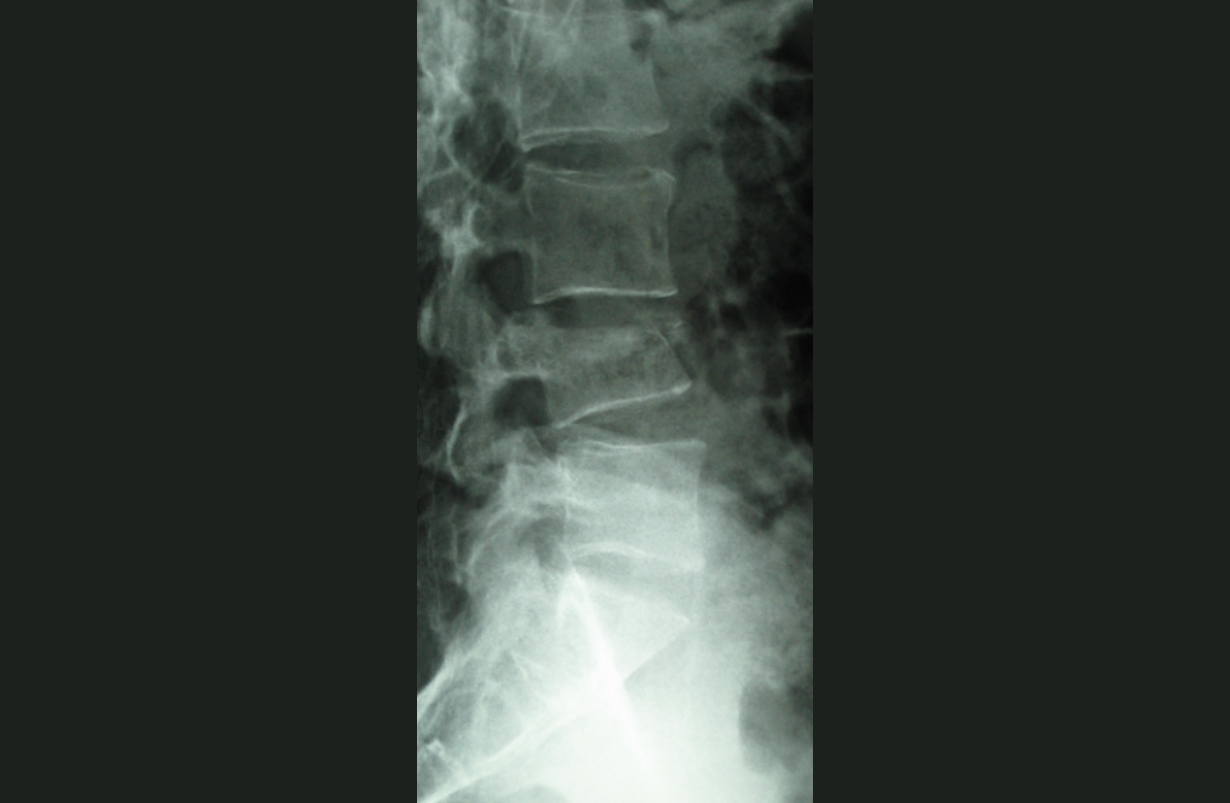
Fracture of the front portion of a vertebral body. Usually in the thoracic or lumbar spine; often from osteoporosis. Often extremely painful for up to 6 weeks, but very rarely causing weakness, numbness or sciatica. BENEFICIAL POSES: Savasana, Salabhasana, Ustrasana, Dhanurasana. EXPLANATION: These extension postures rock the vertebral column back on the facet joints, taking pressure off the front of the vertebral bodies, where this type of fracture almost invariably occurs. REFERENCE: Sinaki M. Exercise for patients with osteoporosis: management of vertebral compression fractures and trunk strengthening for fall prevention. PM R. 2012 Nov;4(11):882-8. doi: 10.1016/j.pmrj.2012.10.008.
Spondylolisthesis
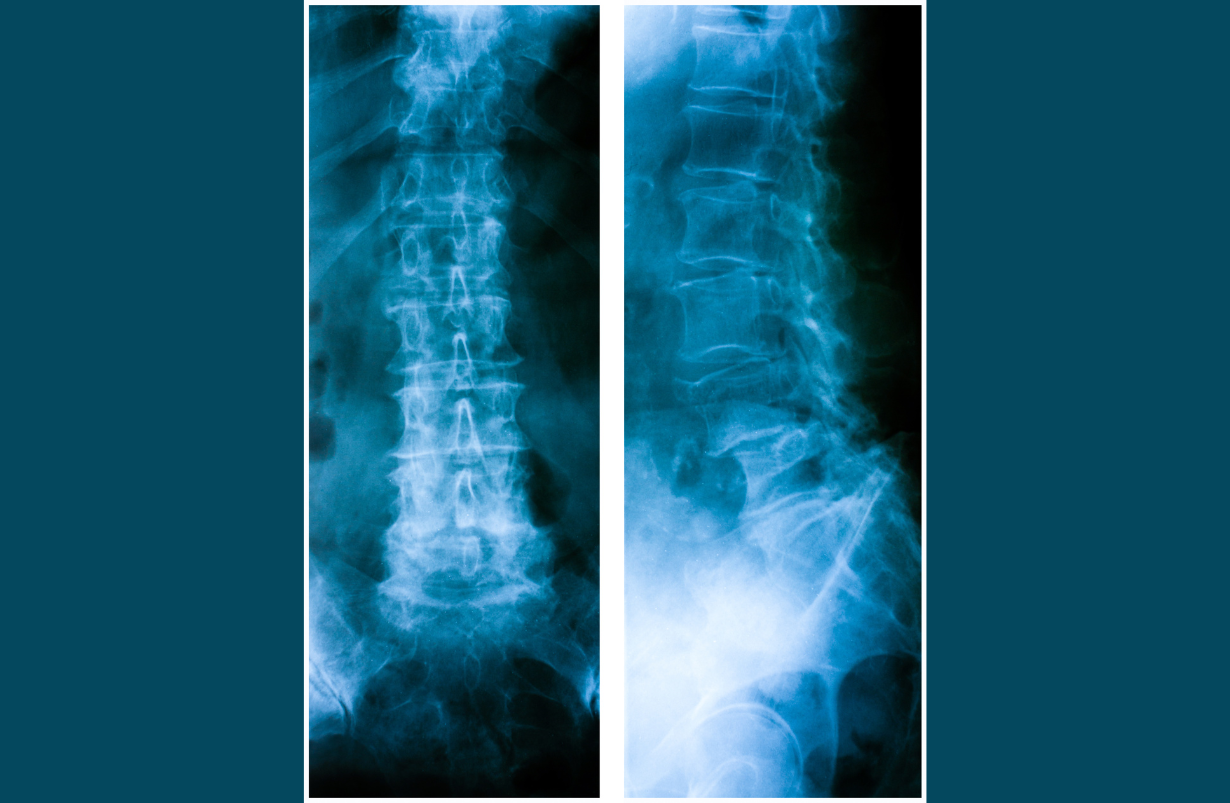
Spondylolisthesis occurs when one vertebra slides forward, backward or to the side, relative to the one directly below it. This slippage can occur in the cervical, thoracic (much less commonly) or the lumbar spine, and is generally forward slippage, anterolisthesis. Retrolisthesis is backward slippage of the vertebra above, and lateral listhesis involves slippage to one side or the other. Regardless of the direction, spondylolisthesis is graded in one way: Grade I: 0 - 24.9% of the lower vertebra is uncovered, Grade II: 25 - 49.9%, Grade III 50 -74.9%, and Grade IV: 75% or more. Anterolisthesis and retrolisthesis can cause all the neurological symptoms of a herniated disc or spinal stenosis, because it can narrow the spinal canal nd also shrink the opening through which the nerve root leaves the spinal cord (neuroforamen). .Generally Grade I is painless, though there are exceptions when e.g., the facet joints are swollen from arthritis, or there is a bulging or herniated disc narrowing the opening in the spine through which nerve roots exits (neuroforamina). However even Grade I, and certainly higher grades can leave the intervertebral disc uncovered by the vertebra above, and this can lead to paraesthesias, numbness, pain and weakness, and even bowel or bladder symptoms in extreme cases. Most cases are traumatic in origin, but some authorities assert that it can be congenital, particularly when the bone connecting the facets to the vertebral body (the pars interarticularis) is fractured. Yoga is particularly useful in the most common type of spondylolisthesis, anterolistghesis. In general with anterolisthesis, the strategy is to move back the forward-slid vertebra. Abdominal strengthening and forward bending, making the spine as long as possible, are the poses that do this. Retrolisthesis is treated just the opposite way: strengthening the quadratus lumborum muscles, and doing back extension poses. Lateral listhesis is rarely symptomatic, although it makes the yogic treatment of scoliosis more difficult. See 'scoliosis' for details.
Sprained Ankle
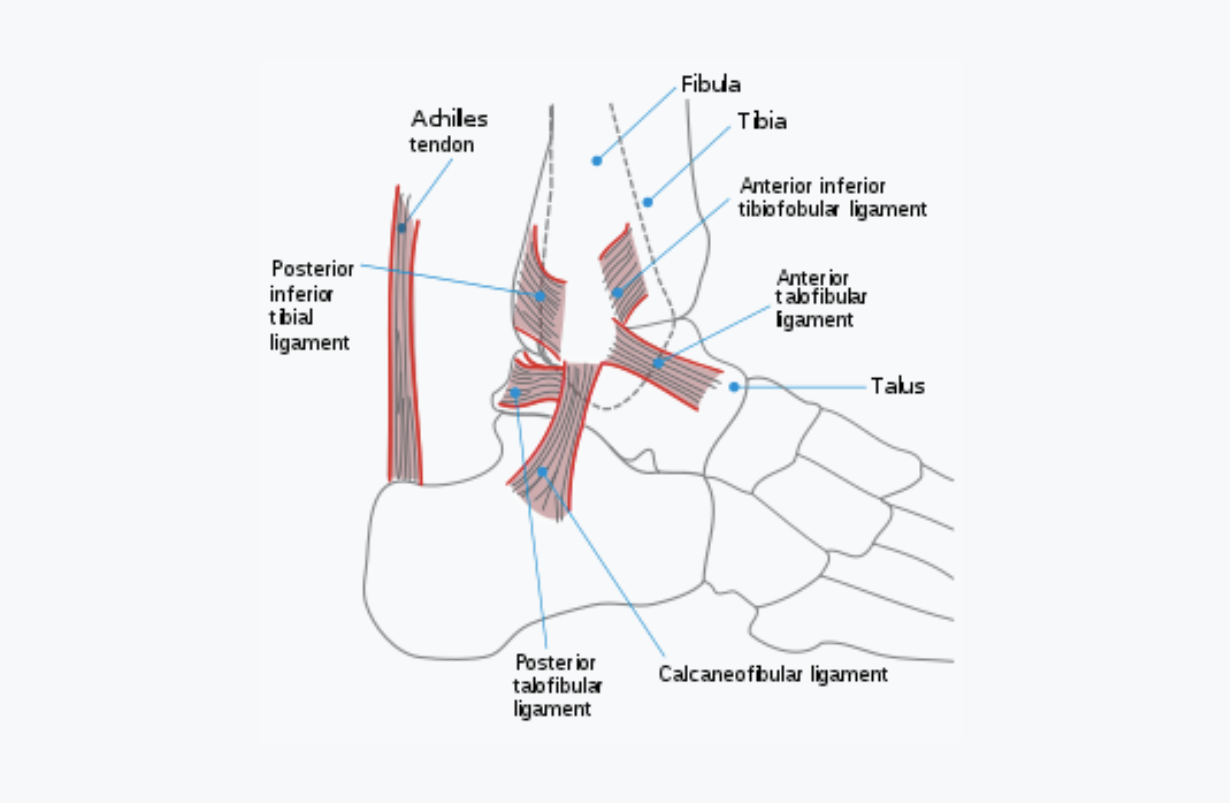
Tearing of the fibres that hold the bones of the foot to the bones of the lower leg. Over 90% are at the lateral side of the foot. BENEFICIAL POSES: Garudasana (seated), Dhanurasana, Supta Padangusthasana I, Supta Padangusthasana II, Supta Padangusthasana III. (See video for III.) EXPLANATION: Pressure on the ankle must be avoided to allow healing to progress. Yoga can increase range of motion at the hip, thereby lessening ankle strain, and the twists and turns required of the ankle during standing support on the ankle-knee-hip support chain. Supta Padangusthasana I, II and III should be done holding above the ankle. Later, after healing has been allowed to take its course - 6 to 8 weeks - standing poses may be introduced slowly and cautiously, at first using a wall for support, in order to re-strengthen the muscles. guiding ankle activity. See picture of lateral side of ankle, where at least 9 of 10 ankle sprains occur. REFERENCES: The authors found no studies using yoga for ankle sprain. The above recommendations are based on general Rehabilitation Medicine principles and Dr. Fishman's clinical experience.
Stroke
Tennis Elbow
Tearing or inflammation of the extensor aponeurosis at the dorso lateral forearm just below the elbow. Beneficial Poses: Baddha Konasana, Bharadvajasana I, Bharadvajasana II, Krounchasana EXPLANATION: Stretching and strengthening the forearm extensors of the wrist are favored in the medical literature. The authors found no yoga poses that forcibly flex the wrist . Any pose that involves grasping, such as Baddha Konasana, Bharadvajasana I and II, Krounchasana will extendthe wrist, thereby activating strengthening the forearm extensors, but these are best used after healing has progressed - 6 to 8 weeks following the injury. REFERENCE: Hoogvliet P1, Randsdorp MS, Dingemanse R, Koes BW, Huisstede BM. Does effectiveness of exercise therapy and mobilisation techniques offer guidance for the treatment of lateral and medial epicondylitis? A systematic review. Br J Sports Med. 2013 Nov;47(17):1112-9. doi: 10.1136/bjsports-2012-091990. Epub 2013 May 24.

Thoracic Outlet Syndrome
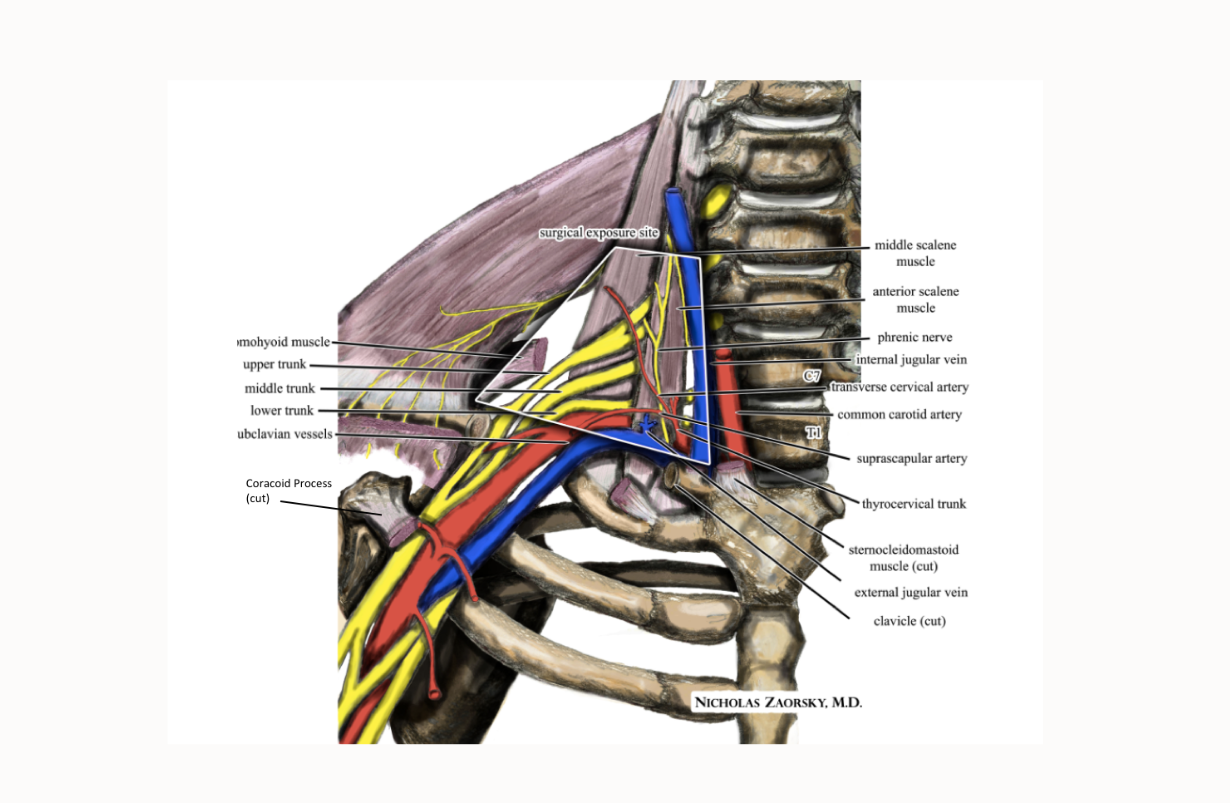
Thoracic outlet syndrome occurs when nerves and/or blood vessels that serve the arm are compressed in the upper chest before entering the arm. The nervous elements, the brachial plexus, are the more common cause of arm and hand tingling, positionally related weakness, and pain; the vascular elements are subclavian and axillary. Usually the symptoms occur in certain positions, such as raising the arm overhead or depressing the shoulder. Medical treatment involves botulinum toxin to relax the scalenus muscles. BENEFICIAL POSES: Bharadvajasana II, Parighasana, Vrksasana, Garudasana,. EXPLANATION: The brachial plexus descends from the cervical spine between the scalenus anticus and medius muscles. Bharadvajasana II and Parighasana stretch these muscles, giving the nerves more slack to get out of harm's way between the clavicle and the coracoid process , two boney elements which they pass under as they enter and exit the thorax. Vriksasana and Garudasana aid in improving humeral control and scapular (shoulder blade) kinetics, both of which help people avoid the nerve compression that causes this syndrome. REFERENCE: Watson LA, Pizzari T, Balster S. Thoracic outlet syndrome part 2: conservative management of thoracic outlet.Man Ther. 2010 Aug;15(4):305-14. doi: 10.1016/j.math.2010.03.002. Epub 2010 Apr 9.
Torn Abductors
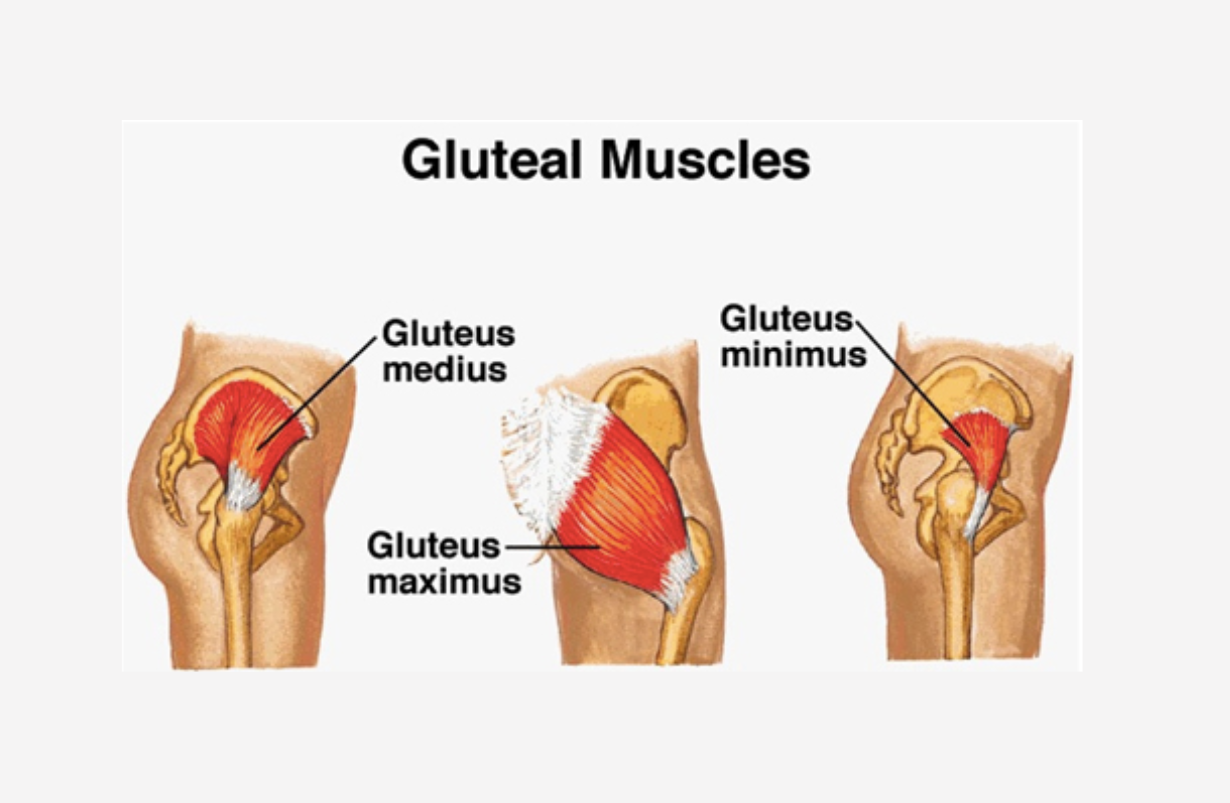
Hip abductors critical in walking, the gluteus medius and gluteus minimus are often torn, particularly in athletes in running sports and older and heavy women. Other abductors include the piriformis, the gemellus superior, oburator internis, gemellus inferior, quadratus femoris, and to a certain extent, the gluteus maximus. Serious tears of the gluteus medius and minimus come into play in all standing poses, but since few yoga poses adduct the thighs, few stretch these muscles directly. BENEFICIAL POSES: Salabhasana, Urdhva Dhanurasana, Mayurasana. EXPLANATION: Strengthening the gluteus maximus will take some strain off the medius and minimus, giving tears in the latter muscles a better environment in which to heal. REFERENCE: Kelley K, Slattery K, Apollo K. An electromyographic analysis of selected asana in experienced yogic practitioners. Mov Ther. 2018 Jan;22(1):152-158. doi: 10.1016/j.jbmt.2017.05.018. Epub 2017 May 31. Beazley D, Patel S, Davis B, Vinson S, Bolgla L.Trunk and hip muscle activation during yoga poses: Implications for physical therapy practice. Complement Ther Clin Pract. 2017 Nov;29:130-135. doi: 10.1016/j.ctcp.2017.09.009. Epub 2017 Sep 14.
Torn Adductor
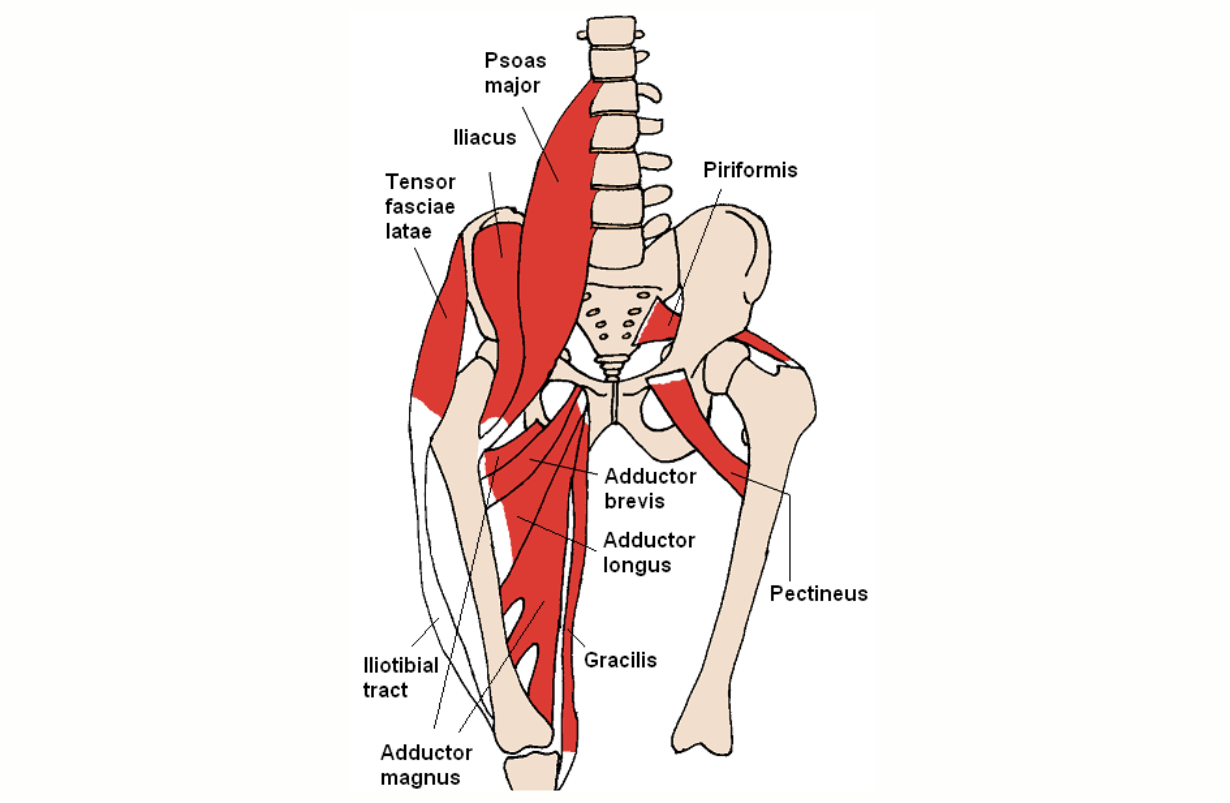
Partial or complete rupture of the adductor brevis, longus and/or magnus muscles, the muscles that draw the legs together. BENEFICIAL POSES: Jathara Parivartanasana, Ardha Chandrasana, Utthita Hasta Padangustasana,. EXPLANATION: The anterior third of the gluteus medius and minimus actually adduct and internally rotate the leg, easing stress on the adductors, and promoting their healing. REFERENCES: Kelley K, Slattery K, Apollo K. An electromyographic analysis of selected asana in experienced yogic practitioners. Mov Ther. 2018 Jan;22(1):152-158. doi: 10.1016/j.jbmt.2017.05.018. Epub 2017 May 31. Beazley D, Patel S, Davis B, Vinson S, Bolgla L.Trunk and hip muscle activation during yoga poses: Implications for physical therapy practice. Complement Ther Clin Pract. 2017 Nov;29:130-135. doi: 10.1016/j.ctcp.2017.09.009. Epub 2017 Sep 14.
Torn Hamstring
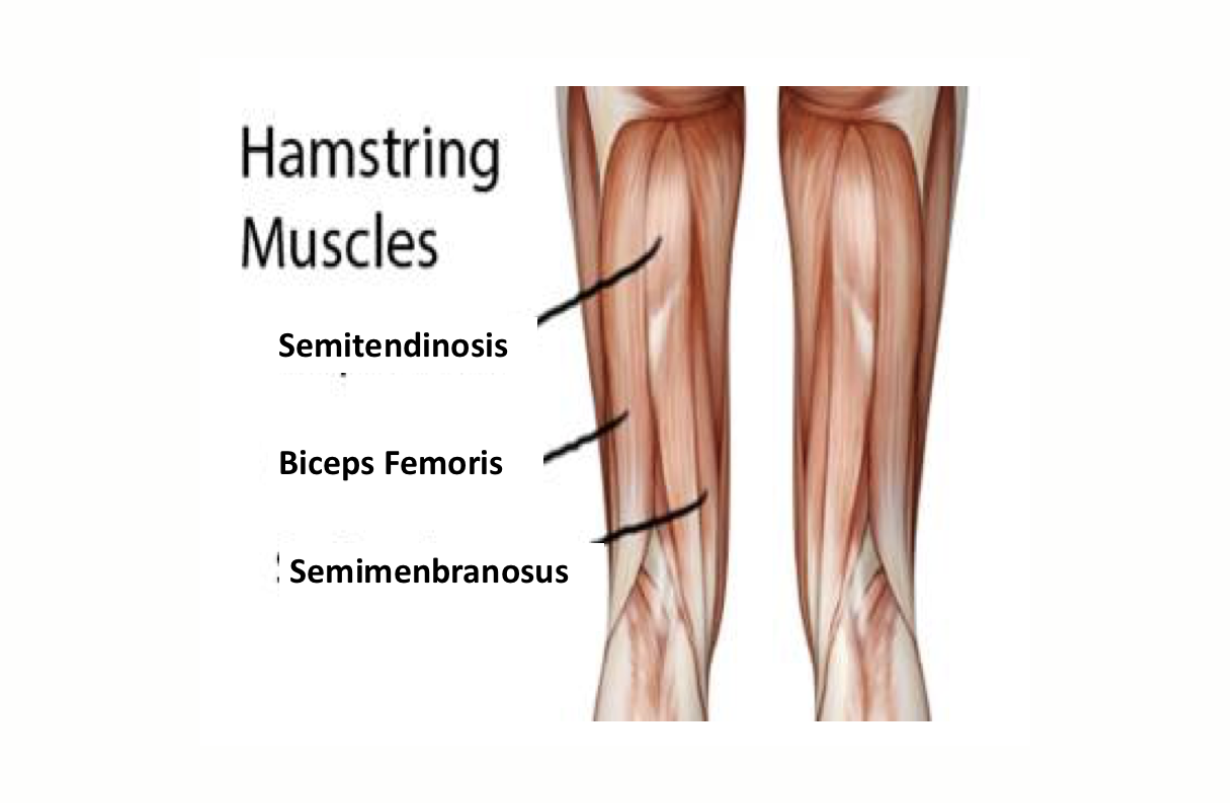
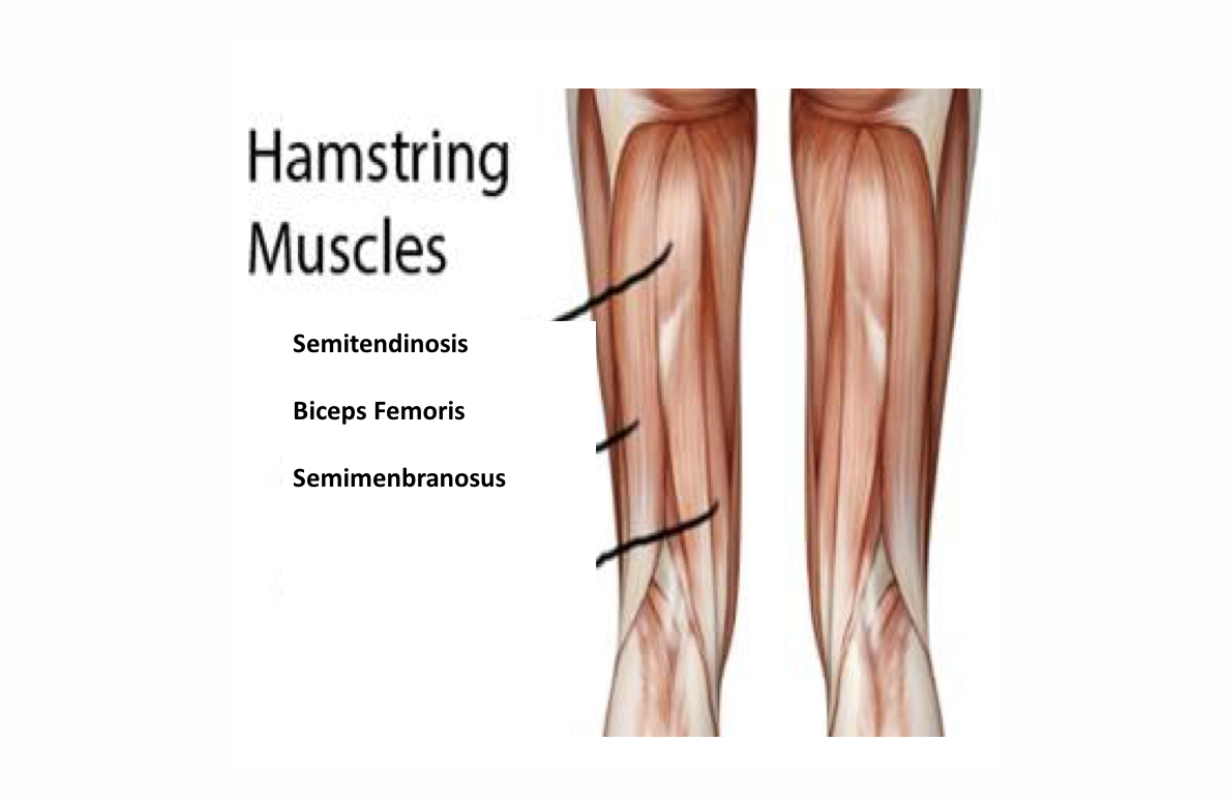
Partial or complete rupture of the semimembranosis, semitendinosis and/or the biceps femoris muscles. BENEFICIAL POSES: Supta Virasana, Ustrasana, Utkatasana, Purvottanasana, (see picture) EXPLANATION: The hamstrings extend the hips and flex the knee. Poses that replace the hamstrings' function at these joints will strengthen alternative muscles and relieve some of the strain on the healing hamstrings. REFEENCE:Rachiwong S1, Panasiriwong P, Saosomphop J, Widjaja W, Ajjimaporn A.Effects of Modified Hatha Yoga in Industrial Rehabilitation on Physical Fitness and Stress of Injured Workers. J Occup Rehabil. 2015 Sep;25(3):669-74. doi: 10.1007/s10926-015-9574-5.
Total Hip Replacement
Both the femoral (thigh bone) and acetabular (Hip socket) are surgically replaced by metal-ceramic or metal-plastic parts. The new thigh bone part has a long trochar that goes down into the marrow cavity of the femur for stability. There are basically two surgical approaches: the posterior, in which the gluteal muscles are cut, and the anterior, in which the tensa fascie latae is pulled to the side to allow insertion of the prosthesis. After the posterior approach, patients must be careful not to flex, adduct, and internally rotate the hip for a good long time, possibly from that time forth, to avoid dislocation. After the anterior approach, extension and abduction must be avoided for several months. Currently these surgeries give good range of motion and function, and last upwards of 20 years. Please see Anterior Total Hip Replacement and Posterior Total Hip Replacement for details.
Total Knee Replacement
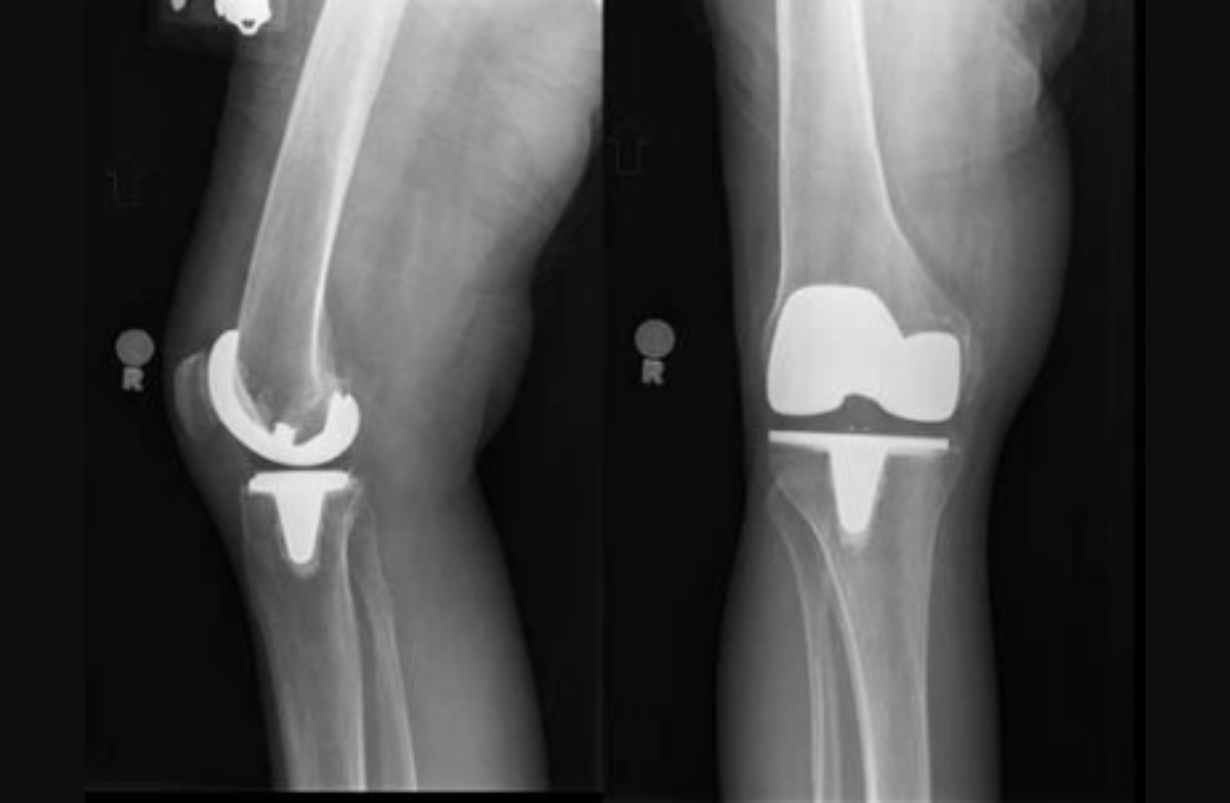
Surgical insertion of metal and plastic artificial joint in which the incision is made in the knee. Few muscles are cut; recovery is lengthy. BENEFICIAL POSES: (After three to six months) Seated Heel Slide (see video), Supta Padangusthasana I, Supta Padangusthasana II, Supta Padangusthasana III, Jathara Parivartanasana. EXPLANATION: Undemanding knee flexion and extension(Seated Heel Slide) is a critical first step to regaining range of motion at the knee. Yoga can increase range of motion at the hip (Supta Padangusthasana I,II and III) without challenging the knee. REFERENCE: Han AS1, Nairn L, Harmer AR, Crosbie J, March L, Parker D, Crawford R, Fransen MEarly rehabilitation after total knee replacement surgery: a multicenter, noninferiority, randomized clinical trial comparing a home exercise program with usual outpatient care.Arthritis Care Res (Hoboken). 2015 Feb;67(2):196-202. doi: 10.1002/acr.22457.
Trochanteric Bursitis
Inflammation of a pouch of fluid at the hip's greater trochanter. BENEFICIAL POSES: Supta Padangusthasana II, Padmasana, Supta Konasana EXPLANATION: These poses may be valuable for relieving pressure on the bursa by the iliotibial band in the acute situation. It is usually brought about by overuse, such as poor or prolonged sitting, deviant gait patterns or incidental trauma. Removing the cause may bring about self-healing If these efforts are not successful, then referral to a medical professional for an antiinflammatory injection usually will eliminate the condition. There are several other bursae in the region, e.g., along the anterior margin of the gluteus minimus, but the same treatments usually apply. REFERENCE: Mulligan EP, Middleton EF, Brunette. Evaluation and management of greater trochanter in syndrome. M.Phys Ther Sport. 2015 Aug;16(3):205-14. doi: 10.1016/j.ptsp.2014.11.002. Epub 2014 Nov 26.
Venous Peripheral Vascular Disease
Narrowing of the venous vessels, usually of the lower extremities. This may cause edema (swelling) of the feet and calves, and skin discoloration. The edema often inhibitts healing of even superficial cuts and scratches, endangering the limb. BENEFICIAL POSES: Viparita Karani, Uttana Padasana, Salamba Sarvangasana I, Salamba Sirsasana EXPLANATION: Draining the excess fluid from the limb is the best treatment. Often damaged venous valves of the lower extremities are responsible for the edema, though congestive heart failure may cause the edema, and if the cause is congestive heart failure, then no pose but Viparita Karani should be done, since it will return too much blood to the heart too quickly. If these poses fail, then the Unna Boot (a pliant but not stretching gauze bandage impregnated with zinc oxide) is an excellent remedy. REFERENCE Lippmann, H., Farrar, R Bernstein, R. Fishman, LM, Zybert, P:“Edema Control in the Management of Chronic Venous Ulcerations of the Lower Extremities.” with. Archives of Physical Medicine and Rehabilitation, 75:(4) 486-493. April, 1994.
Weakness
Lack of strength. It can have many causes including infectious disease-related conditions such as myaesthenia gravis, autoimmune conditions such as lupus erythematosis, nutritional conditions such as such as combined systems degeneration (low vitamin B12), and anorexia nervosa, inherited conditions e.g., nemaline myopathy, neurological conditions e.g., amyotrophic lateral sclerosis (Lou Gehrig's disease), and just plain disuse atrophy. Strengthening requires reduction in the influence of the above causes, and usually begins with the ancient reticulospinal tract of nerves, not muscle fibres themselves. The enlivening and augmentation of these nerve bundles occurs before any visible changes in musculature.(1). Yoga poses, with their emphasis on mindful movement, are excellent candidates for daily exercise that strengthening requires. The paradox is that exactly those poses that build strength require it to perform them well. The solution is pacing: start a pose like Utkatasana (the strong pose) against a wall, and possibly with a chair. 1. Isabel S Glover and Stuart N Baker. Cortical, corticospinal and reticulospinal contributions to strength training. Journal of Neuroscience 29 June 2020, JN-RM-1923-19; DOI: https://doi.org/10.1523/JNEUROSCI.1923-19.2020