A decade ago, I enrolled in a local Kundalini yoga teacher training, which meant I also made a commitment to cold showers and pre-dawn yoga practice. Getting out of a warm bed in the dark, leaving my sleeping husband, gasping as the icy water hit my body, wrapping a white scarf around my head before doing fifty squats and chanting mantras, I felt empowered but also tired and a little silly. Give it time, I told myself. You’ll get used to it. I didn’t.
Although the training was just one long weekend a month for ten months, the three-minute cold showers and pre-dawn yoga were meant to become daily lifelong rituals. I gave it a good try. Yet while my classmates reported newfound calm and moments of epiphany, I felt increasingly resentful and exhausted and ridiculous. I was never going to become a Kundalini yogi. I wanted to wake up with my husband, not an hour and a half before him. I wanted a hot shower. I felt uncomfortable with my head swaddled in a turban. I wanted to move my body in ways that felt supportive and good, not according to a sequence of poses written down years ago by someone who didn’t know me.
Most of all, I didn’t want to do anything every single day. I had my first Dexa scan three years ago, a few weeks before my first hip replacement. The results: osteopenia. The news that my bone density was lower than normal seemed like the least of my worries. A dear friend had just died. I was preparing for two major surgeries. My doctor didn’t seem to think the condition warranted so much as a conversation, let alone an office visit. I made a mental note to think about buying some hand weights once my two new hips were in place and went back to reading about post-op PT.
Last November, I asked my doctor if it might be a good idea to recheck my bones. This time, I got a phone call to come in to her office for the results.
“You have osteoporosis,” the doctor said mildly, without looking up. “A considerable amount of bone loss, which puts you at a high risk for fragility fractures, which are breaks that happen spontaneously, without any warning. I’ll write you a prescription. You can take this medication for four years. After that, we don’t recommend you continue because there are side effects with long-term use.
I didn’t know much about osteoporosis. But, sitting there absorbing this news as she stared at her computer, I did know one thing: my doctor was not seeing a person in front of her whose life expectancy had just grown dramatically shorter, she was seeing some numbers on a screen. She would be happy to write me a prescription, but she had no interest in the long-term health of my bones. Or in me. I was going to have to become my own student of bones.
To me the biggest surprise was that I had become so porous so fast, a fracture waiting to happen. I’d been pretty sure I was already taking good care of my bones. I exercise and practice yoga. I do eat well. I take a walk most days and turn my face to the sun. And yet, according to the numbers, my 60-year-old bones are equivalent in mass to those of an average 85-year-old woman. In three short years, I’d lost 27% of the bone density in my wrist and forearm. I was at risk for more bone loss, fragility fractures, and kyphosis. Suddenly, the possibility of a slip in the kitchen or a fall on the ice were terrifying.
When I first sat down with my Dexa scan results in front of a website that helped me translate all the various measurements, I went from shock and disbelief to anger. Why had the doctor completely ignored the osteopenia three years earlier? Why had no physician ever talked with me in the past about my own high risk for osteoporosis and how to prevent it? Would I have listened? If I’d known twenty years ago, at forty, what I now know at sixty, could I have avoided this condition altogether?
I suspect the answer to that last question is yes. There is so much I could have done, had I only known what to do. I also realize there’s no point in looking back with self-reproach to all the collard greens and almond butter I didn’t eat, the weights I didn’t lift, the Vitamin D I didn’t take.
Over these last months, I’ve learned a lot about who’s most at risk for osteoporosis, why bones become brittle and how spontaneous fractures happen, why this condition, although invisible and painless until fractures occur, can’t be ignored, and how medication, though sometimes necessary, creates its own set of risks and problems. I’ve changed doctors and I’ve changed my diet. I’ve started a regime of supplements and vitamins. I’ve also changed the rhythm of my days, the way I spend my time, and even my attitude about being alive and growing old.
One of my first internet searches was “yoga and osteoporosis.” One click, and I was ordering Dr. Loren Fishman’s groundbreaking book Yoga for Osteoporosis, which offered exactly the encouragement I was desperate to hear: namely, it is possible to treat osteoporosis, in part, with the thing I like to do most. According to Dr. Fishman’s research, a regular practice of a series of twelve classical poses has been proven to strengthen bones and help prevent fractures. (He’s done a clinical study. It works. YAY!)
What I didn’t quite grasp, until a friend and I took a weekend workshop with Dr. Fishman a few weeks later, was that just going through the motions wouldn’t build our bones. **Therapeutic yoga poses for osteoporosis have to be done every day, seven days a week, for maximum benefit. Poses have to be held, ideally, for a full minute. Held with full-on effort, precise alignment, and maximum resistance. Held with every muscle engaged, every breath complete, every ounce of intention and energy summoned and brought to bear while youAn error occurred during generation. Please try again or contact support if it continues.
Katrina Kenison is the author of three memoirs and a collection of essays exploring the stages of womens’ lives. She became a yoga teacher at age 52 and is currently training to teach Dr. Fishman’s yoga for osteoporosis. She blogs at https://www.katrinakenison.com, where the complete version of this essay first appeared.


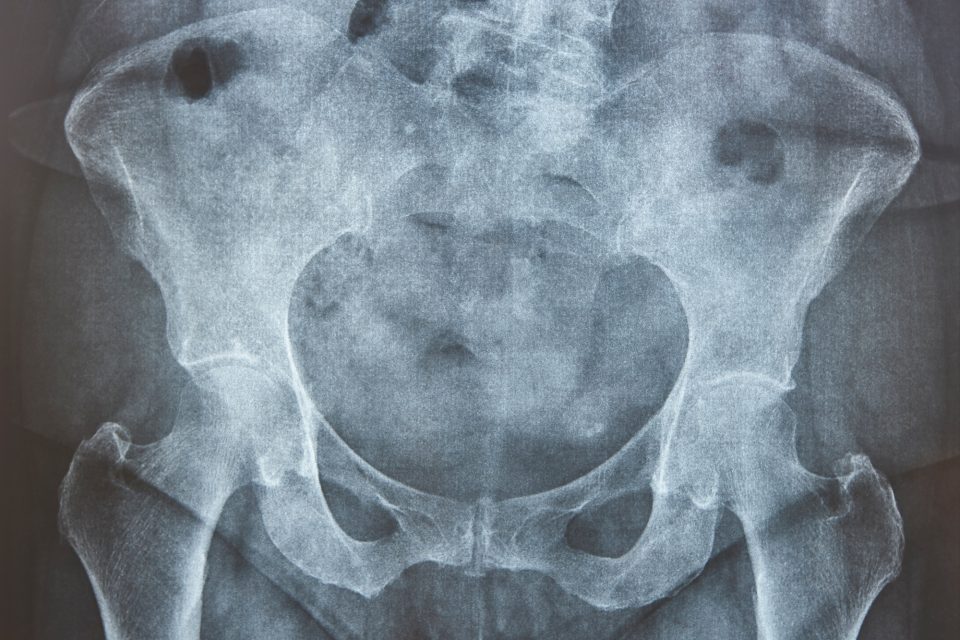
Diagnosis: Osteoporosis – Katrina Kenison
Diagnosis: Osteoporosis – Katrina Kenison
A decade ago, I enrolled in a local Kundalini yoga teacher training, which meant I also made a commitment to cold showers and pre-dawn yoga practice. Getting out of a warm bed in the dark, leaving my sleeping husband, gasping as the icy water hit my body, wrapping a white scarf around my head before doing fifty squats and chanting mantras, I felt empowered but also tired and a little silly. Give it time, I told myself. You’ll get used to it. I didn’t.
Although the training was just one long weekend a month for ten months, the three-minute cold showers and pre-dawn yoga were meant to become daily lifelong rituals. I gave it a good try. Yet while my classmates reported newfound calm and moments of epiphany, I felt increasingly resentful and exhausted and ridiculous. I was never going to become a Kundalini yogi. I wanted to wake up with my husband, not an hour and a half before him. I wanted a hot shower. I felt uncomfortable with my head swaddled in a turban. I wanted to move my body in ways that felt supportive and good, not according to a sequence of poses written down years ago by someone who didn’t know me.
Most of all, I didn’t want to do anything every single day. I had my first Dexa scan three years ago, a few weeks before my first hip replacement. The results: osteopenia. The news that my bone density was lower than normal seemed like the least of my worries. A dear friend had just died. I was preparing for two major surgeries. My doctor didn’t seem to think the condition warranted so much as a conversation, let alone an office visit. I made a mental note to think about buying some hand weights once my two new hips were in place and went back to reading about post-op PT.
Last November, I asked my doctor if it might be a good idea to recheck my bones. This time, I got a phone call to come in to her office for the results.
“You have osteoporosis,” the doctor said mildly, without looking up. “A considerable amount of bone loss, which puts you at a high risk for fragility fractures, which are breaks that happen spontaneously, without any warning. I’ll write you a prescription. You can take this medication for four years. After that, we don’t recommend you continue because there are side effects with long-term use.
I didn’t know much about osteoporosis. But, sitting there absorbing this news as she stared at her computer, I did know one thing: my doctor was not seeing a person in front of her whose life expectancy had just grown dramatically shorter, she was seeing some numbers on a screen. She would be happy to write me a prescription, but she had no interest in the long-term health of my bones. Or in me. I was going to have to become my own student of bones.
To me the biggest surprise was that I had become so porous so fast, a fracture waiting to happen. I’d been pretty sure I was already taking good care of my bones. I exercise and practice yoga. I do eat well. I take a walk most days and turn my face to the sun. And yet, according to the numbers, my 60-year-old bones are equivalent in mass to those of an average 85-year-old woman. In three short years, I’d lost 27% of the bone density in my wrist and forearm. I was at risk for more bone loss, fragility fractures, and kyphosis. Suddenly, the possibility of a slip in the kitchen or a fall on the ice were terrifying.
When I first sat down with my Dexa scan results in front of a website that helped me translate all the various measurements, I went from shock and disbelief to anger. Why had the doctor completely ignored the osteopenia three years earlier? Why had no physician ever talked with me in the past about my own high risk for osteoporosis and how to prevent it? Would I have listened? If I’d known twenty years ago, at forty, what I now know at sixty, could I have avoided this condition altogether?
I suspect the answer to that last question is yes. There is so much I could have done, had I only known what to do. I also realize there’s no point in looking back with self-reproach to all the collard greens and almond butter I didn’t eat, the weights I didn’t lift, the Vitamin D I didn’t take.
Over these last months, I’ve learned a lot about who’s most at risk for osteoporosis, why bones become brittle and how spontaneous fractures happen, why this condition, although invisible and painless until fractures occur, can’t be ignored, and how medication, though sometimes necessary, creates its own set of risks and problems. I’ve changed doctors and I’ve changed my diet. I’ve started a regime of supplements and vitamins. I’ve also changed the rhythm of my days, the way I spend my time, and even my attitude about being alive and growing old.
One of my first internet searches was “yoga and osteoporosis.” One click, and I was ordering Dr. Loren Fishman’s groundbreaking book Yoga for Osteoporosis, which offered exactly the encouragement I was desperate to hear: namely, it is possible to treat osteoporosis, in part, with the thing I like to do most. According to Dr. Fishman’s research, a regular practice of a series of twelve classical poses has been proven to strengthen bones and help prevent fractures. (He’s done a clinical study. It works. YAY!)
What I didn’t quite grasp, until a friend and I took a weekend workshop with Dr. Fishman a few weeks later, was that just going through the motions wouldn’t build our bones. **Therapeutic yoga poses for osteoporosis have to be done every day, seven days a week, for maximum benefit. Poses have to be held, ideally, for a full minute. Held with full-on effort, precise alignment, and maximum resistance. Held with every muscle engaged, every breath complete, every ounce of intention and energy summoned and brought to bear while youAn error occurred during generation. Please try again or contact support if it continues.
Katrina Kenison is the author of three memoirs and a collection of essays exploring the stages of womens’ lives. She became a yoga teacher at age 52 and is currently training to teach Dr. Fishman’s yoga for osteoporosis. She blogs at https://www.katrinakenison.com, where the complete version of this essay first appeared.
More posts